







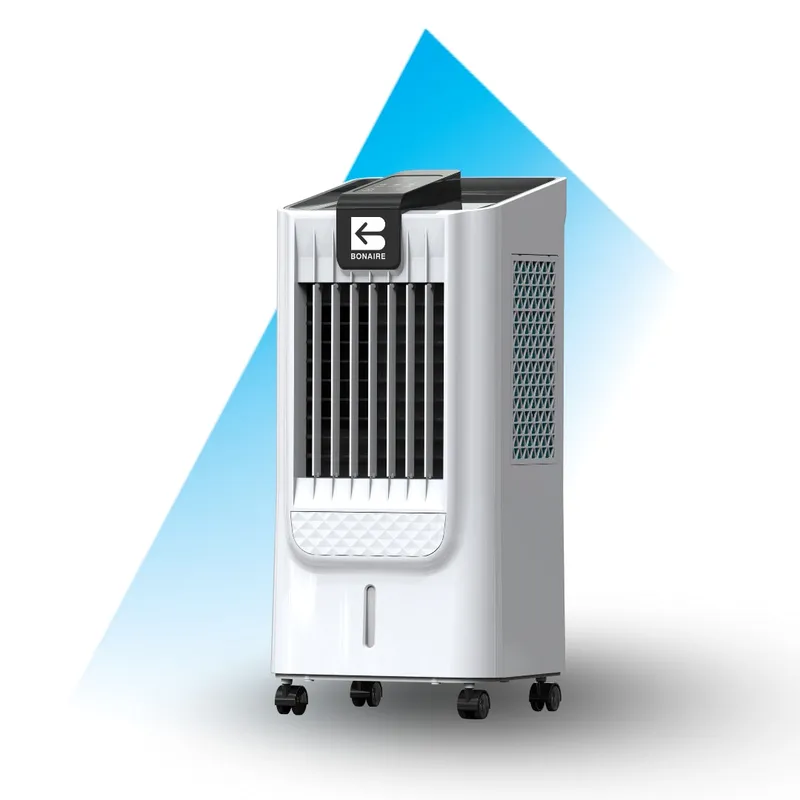
 Official manufacturer image
Our picks
Top picks
Official manufacturer image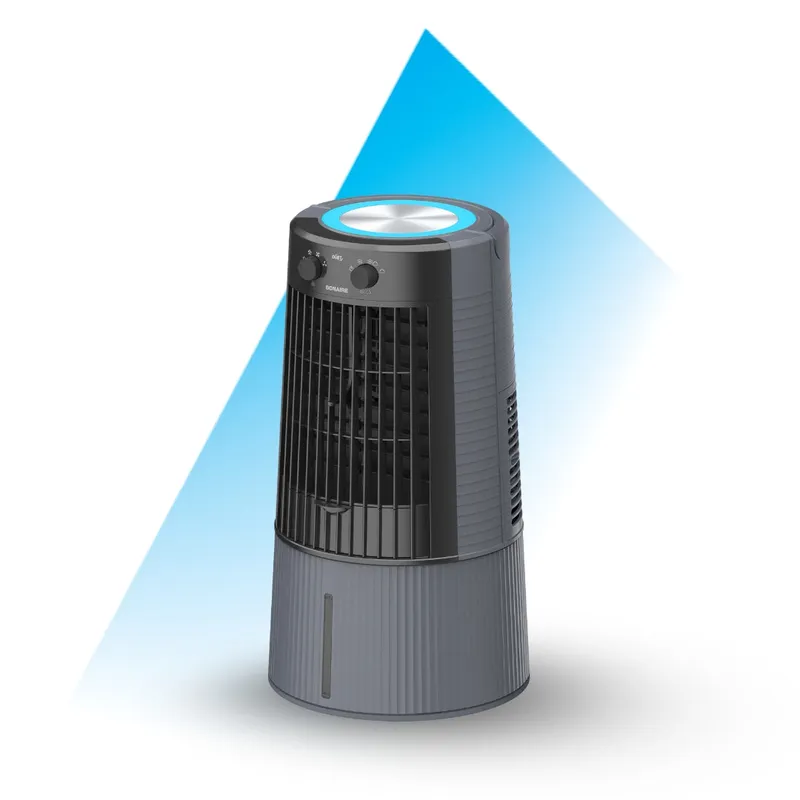 Official manufacturer image
Bonaire Duet Portable Evaporative Air Cooler 6L
Check price on Amazon AUMore topics
Common questions
Questions before you buy
What is the tank capacity of the Kogan evaporative air cooler?
It varies by model. The cited Kogan Evaporative Air Cooler page specifies 5 L, while other Kogan variants have different capacities; verify the exact listing and model name.
Is there a Kogan mini evaporative air cooler?
Kogan’s Australian catalogue contains several evaporative models, including compact units, but names and stock can change. Check the current product listing and its dimensions before ordering.
How do I clean a Kogan air cooler?
Use the manual for the exact Kogan model, unplug the unit first and clean only the parts described as user-serviceable. Keep the water clean and drain the tank for storage when instructed.
Does a Kogan evaporative cooler lower humidity?
No. Direct evaporative cooling adds moisture to the air; it does not dehumidify. It is therefore a poor fit when indoor humidity is already high.