

Independent buying guidance · Australia editionHow we work
Gearjury
All categories
All categories
Best picksBest Dash Cam in Australia: Five Models Compared
Best picksBest Wi-Fi Extenders in Australia for Different Homes
Best picksThe Best Meat Thermometer for Every Kind of Cook
Best picksBest Headlamp Torches for Different Uses in 2026
Best picksBest Portable Air Coolers to Consider in Australia (2026)
Best picksBest Winter Gloves for Everyday Wear and Outdoor Use
Best picksBest Cordless String Trimmers for Australian Gardens (2026)
Best picksBest air purifier for bedroom in Australia: five models compared
AustraliaEnglish

Category hub

4K Ultra HD Dash Cams: What to Compare

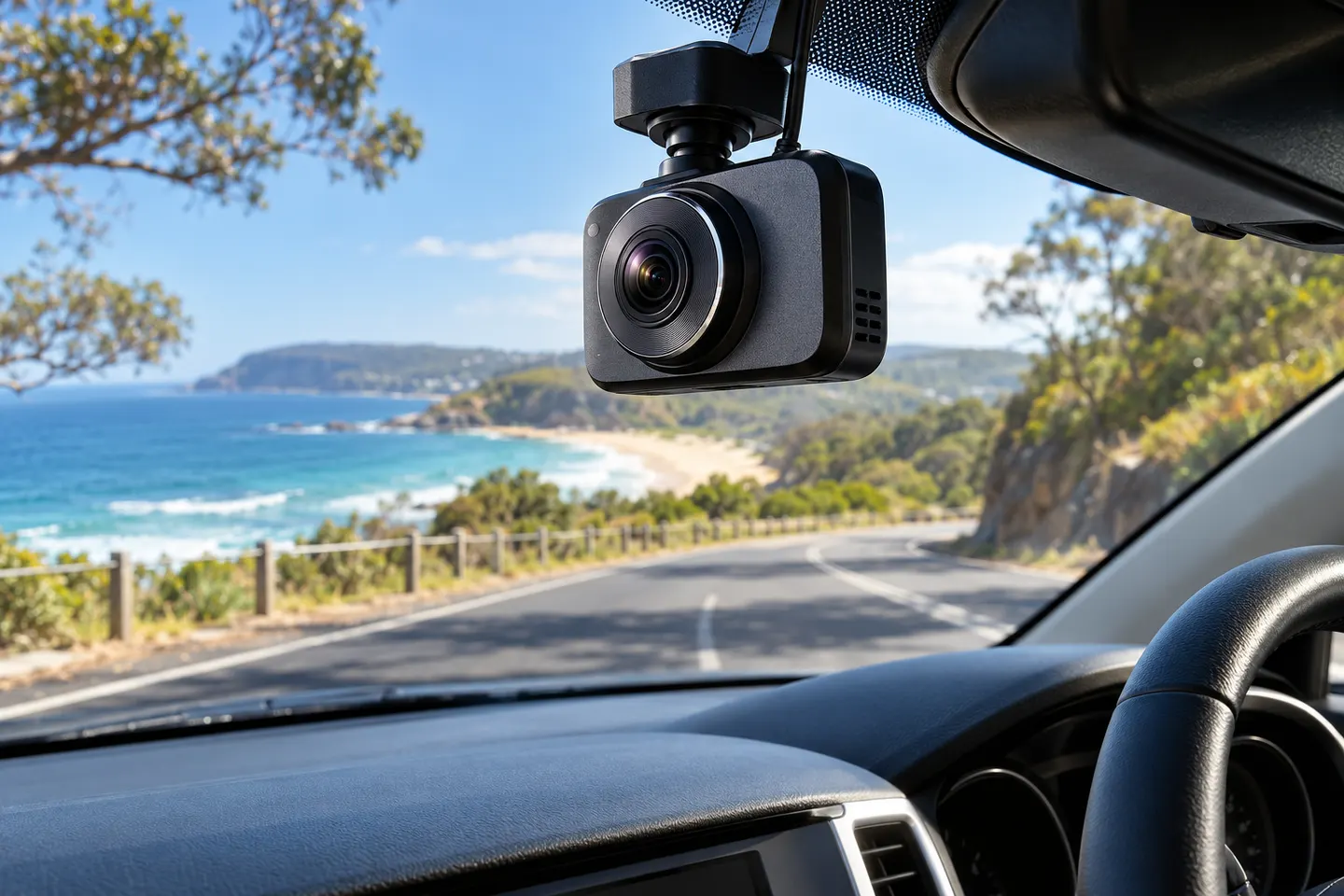
4K can preserve more detail, but sensor quality, processing, lens focus and compression determine whether that detail is useful.

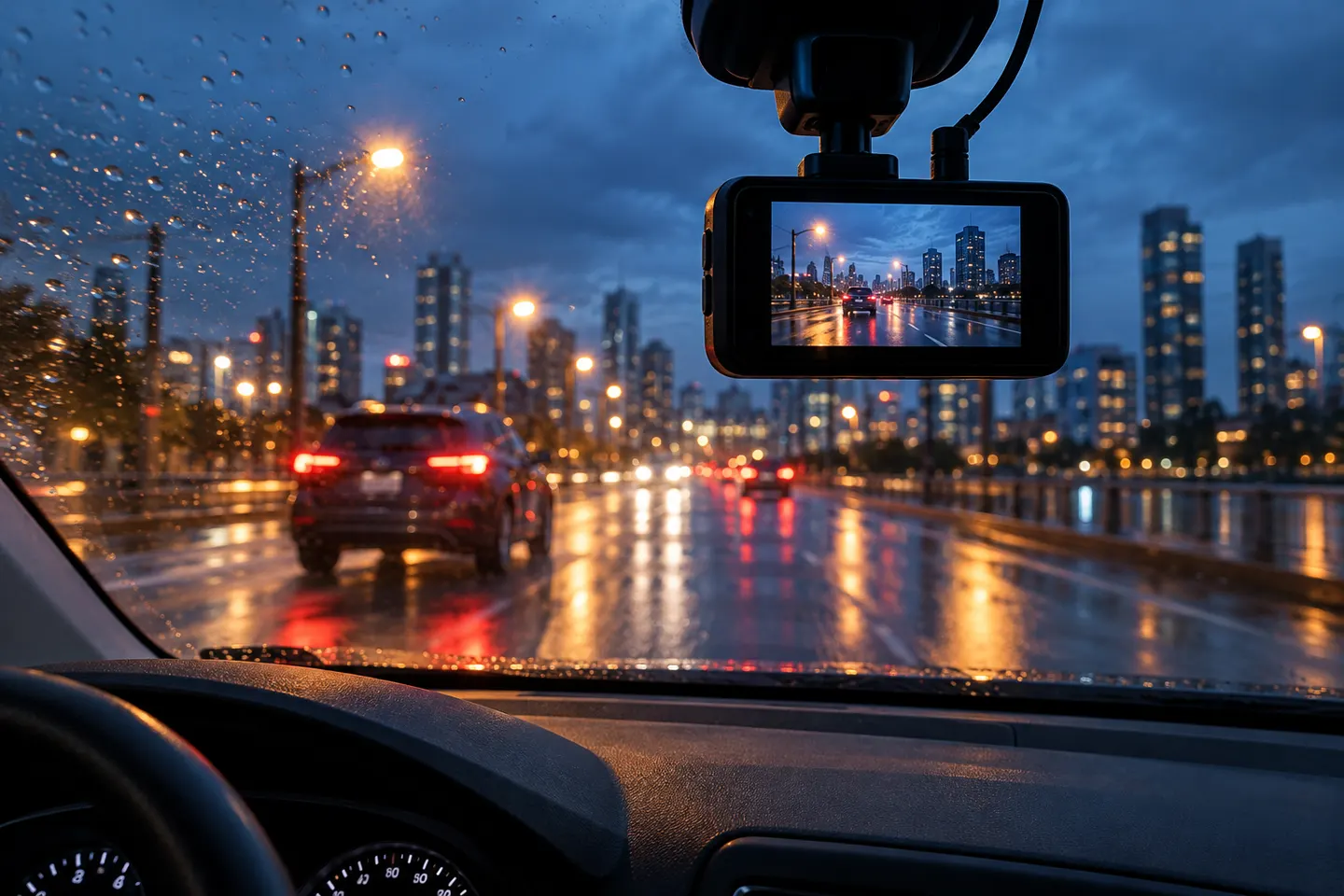
A 4K Ultra HD dash cam records a larger video frame than Full HD, which can help when you pause and crop footage. It does not guarantee readable number plates: movement, glare, darkness, bitrate, focus and image processing can erase the apparent advantage.

4K Ultra HD Dash Cams: What to Compare

Start here

The essentials

By feature

5
Show all (5)

More topics

1

Best picks

Our best-of lists

Common questions

Questions before you buy

Is a 4K dash cam always clearer than a Full HD model?

No. Resolution is only one factor; sensor performance, lens quality, exposure, bitrate and compression all affect usable detail.

Does a 4K dash cam need a special memory card?

Use a card type, capacity and speed class approved by the camera maker. Continuous high-bitrate recording can be demanding, so compatibility matters.

Do front-and-rear dash cams record 4K on both cameras?

Some do, but many reserve 4K for the front channel. Read the simultaneous recording specification rather than the largest resolution in the headline.

Is HDR useful on a 4K dash cam?

HDR can help balance bright and dark areas, but implementation varies. Check whether it works in the recording mode and frame rate you intend to use.