







 Official manufacturer image
Our picks
Top picks
Official manufacturer image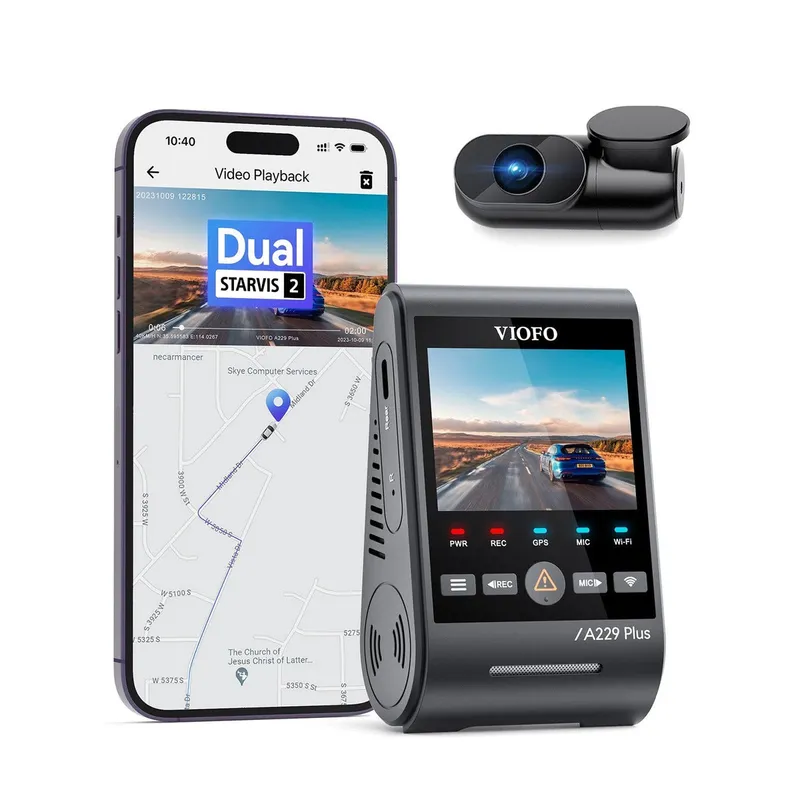 Official manufacturer image
VIOFO A229 Plus 2CH
Check price on Amazon AU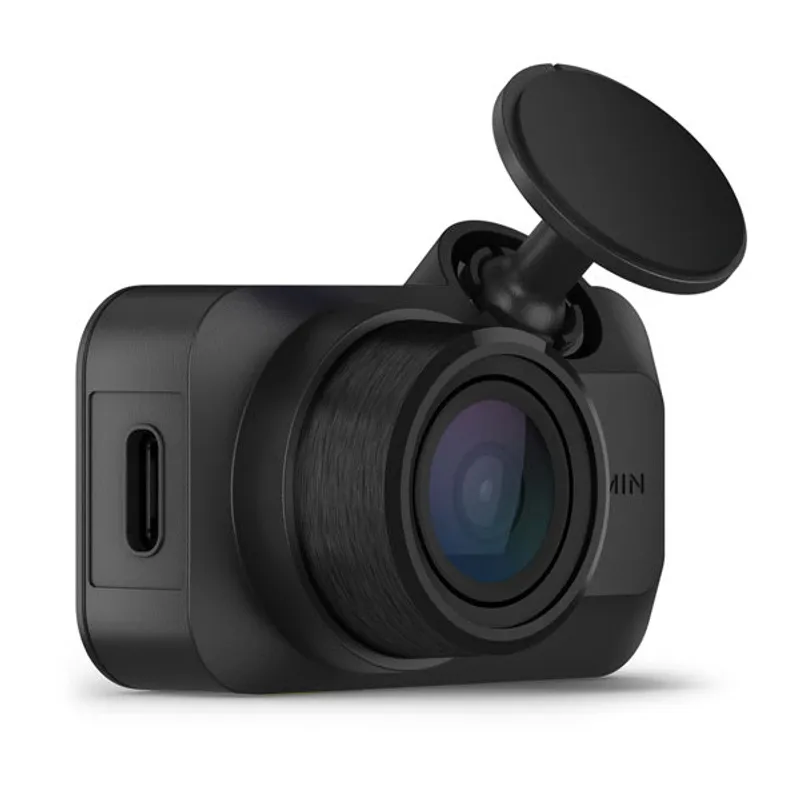 Official manufacturer image
Garmin Dash Cam Mini 3
Check price on Amazon AUCommon questions
Questions before you buy
Can an action camera be used as a cycle dash cam?
Yes, if its runtime, heat management and recording workflow suit the ride. Many action cameras need manual file management and may not loop like a dedicated cycling camera.
Is a front or rear cycling camera more useful?
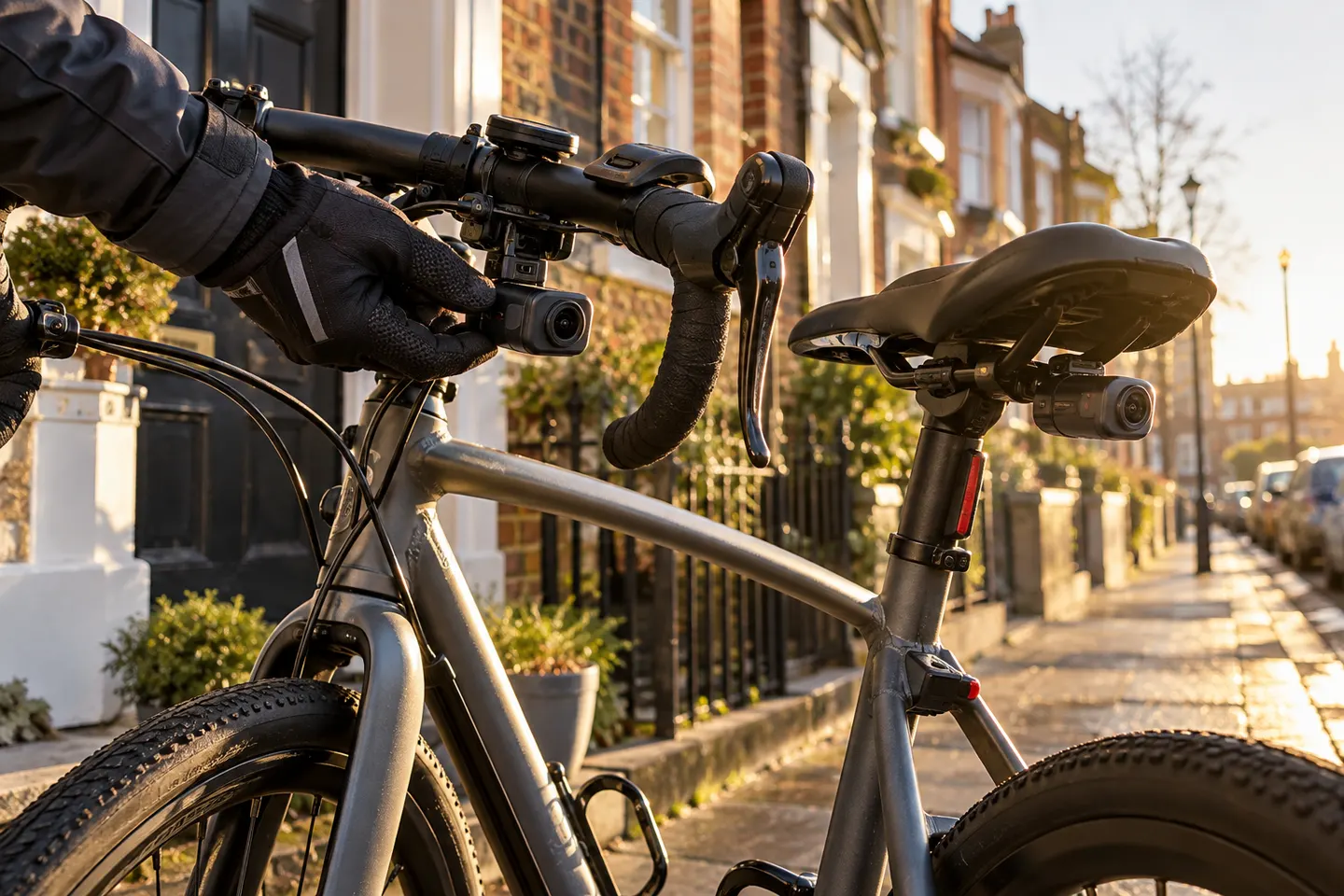
Front footage records hazards and signals ahead; rear footage captures overtaking traffic. Riders seeking fuller context often use both, subject to battery and mounting limits.
Where should a cycle camera be mounted?
A handlebar or bike mount is stable and keeps weight off the helmet, while a helmet mount follows the rider’s view. Any mount must remain secure and avoid weakening safety equipment.
How much battery life does a cycle dash cam need?
Choose verified runtime beyond the longest expected ride, allowing for cold weather, stabilisation and wireless functions. Treat advertised maximums as conditions-dependent.