







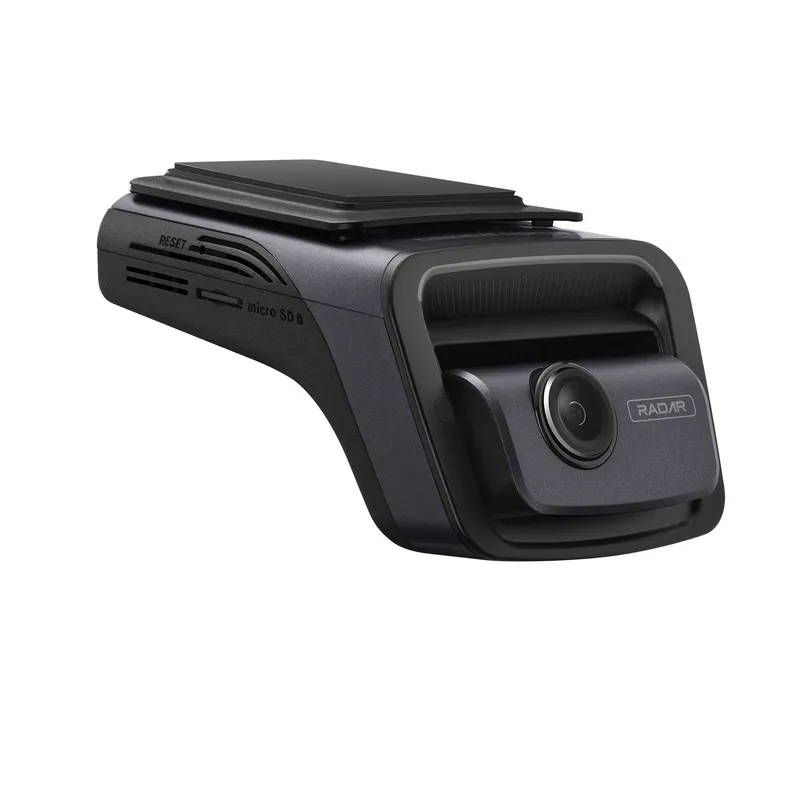
 Official manufacturer image
Our picks
Top picks
Official manufacturer image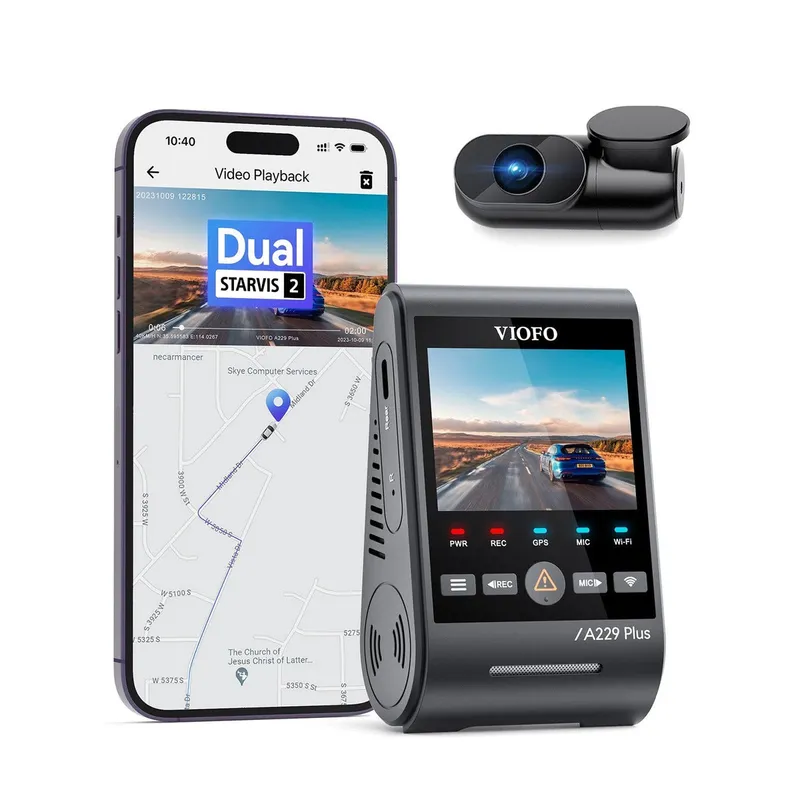 Official manufacturer image
VIOFO A229 Plus 2CH
Check price on Amazon AU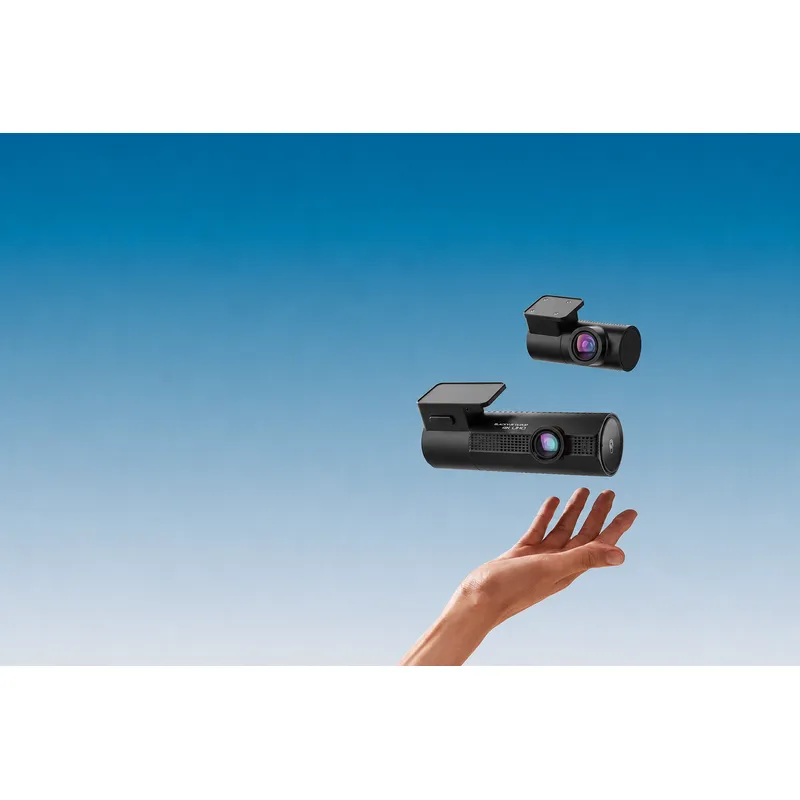 Official manufacturer image
BlackVue DR970X-2CH Plus
Check price on Amazon AUCommon questions
Questions before you buy
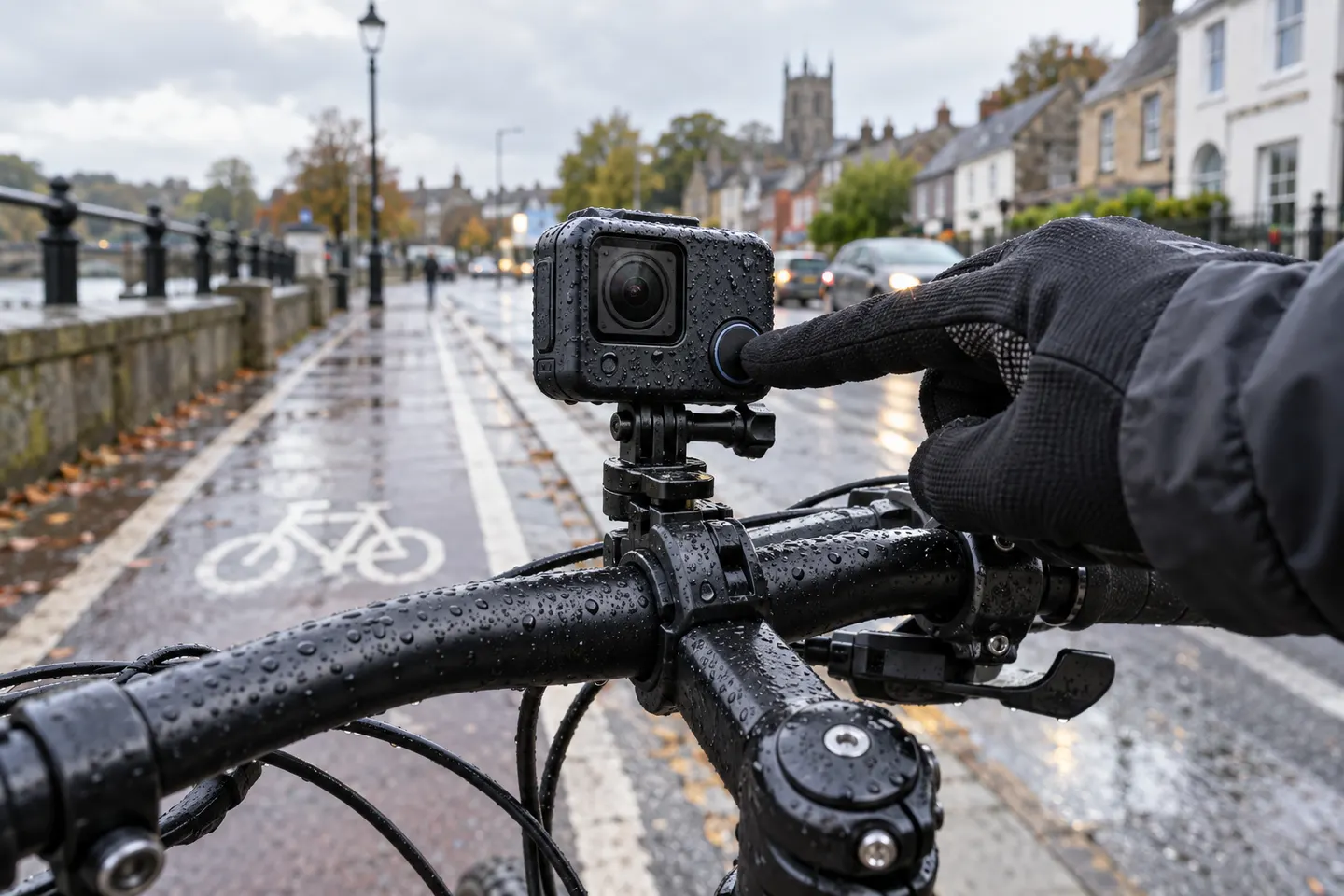
Where should a cycling dash cam be mounted?
Handlebar and rear mounts give a stable road view; helmet mounts follow your gaze but add weight. The mount must not interfere with steering, brakes or lights.
Is front or rear cycling video more useful?
Front video captures what you approach, while rear video records overtaking vehicles. Two cameras give broader context if you can manage the extra charging and storage.
How long should a bike camera battery last?
It should cover your normal ride with a sensible reserve. Compare manufacturer runtime at the resolution and stabilisation setting you plan to use.
Can cycling camera footage be given to police?
Potentially, if it records a relevant incident. Preserve the original file and metadata, avoid public commentary that could prejudice a matter, and follow local reporting instructions.