If you purchase through a retailer link, Gearjury may earn a commission. Our guidance remains independent.
Guide
Are Dash Cams Worth It for Australian Drivers?
A dash cam can be worthwhile when a reliable record of road events matters to you. It cannot prevent a collision or guarantee an insurer or court will accept a clip.
GGearjury editorial team · Updated 15 October 2026· 6 min
01
Are dash cams worth it after a road incident?
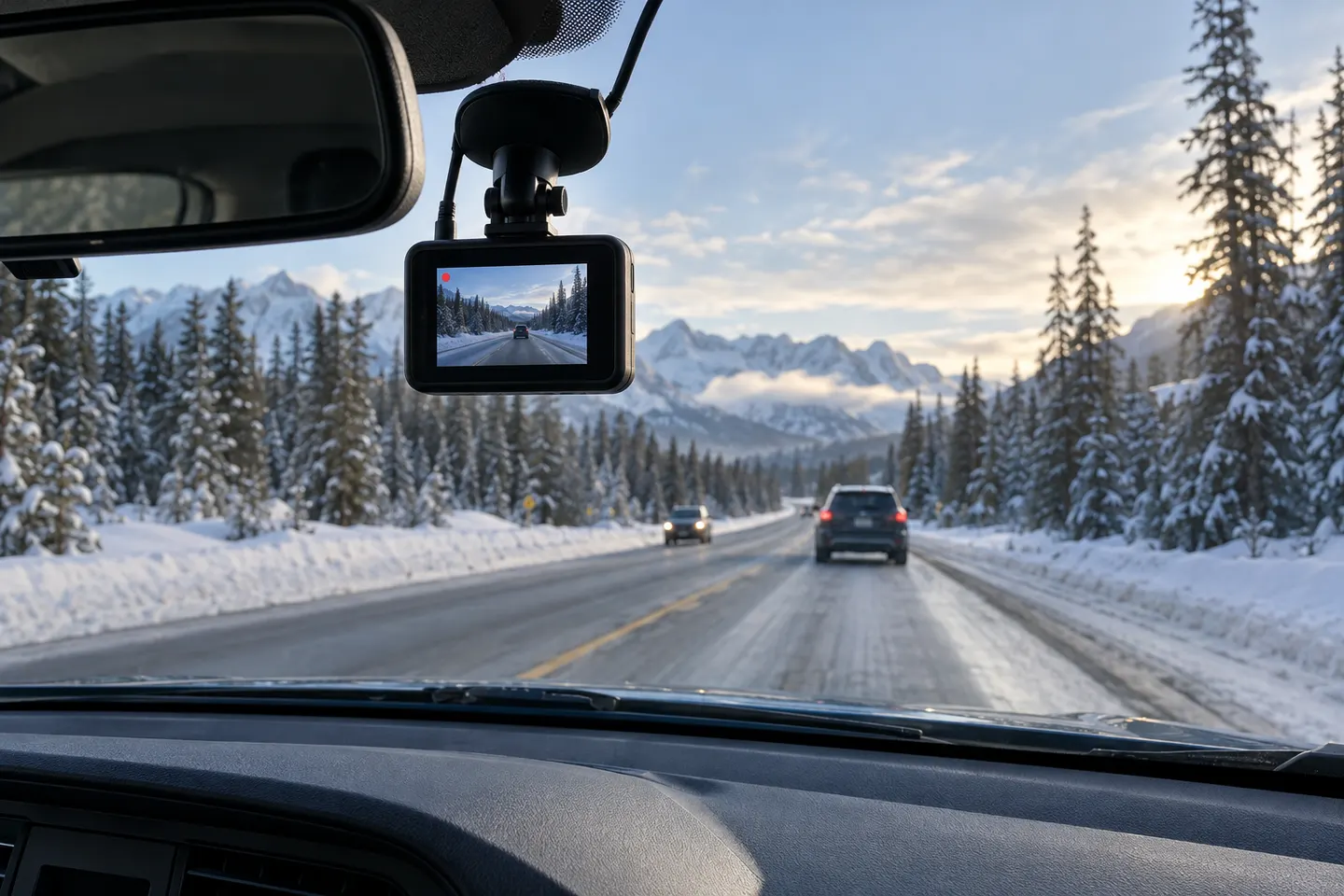
They can provide a contemporaneous view of traffic lights, lane position and the sequence of events. Save the original file promptly and keep context around the incident; a recording is evidence to be assessed, not an automatic decision about fault.
02
Work out what you actually want recorded
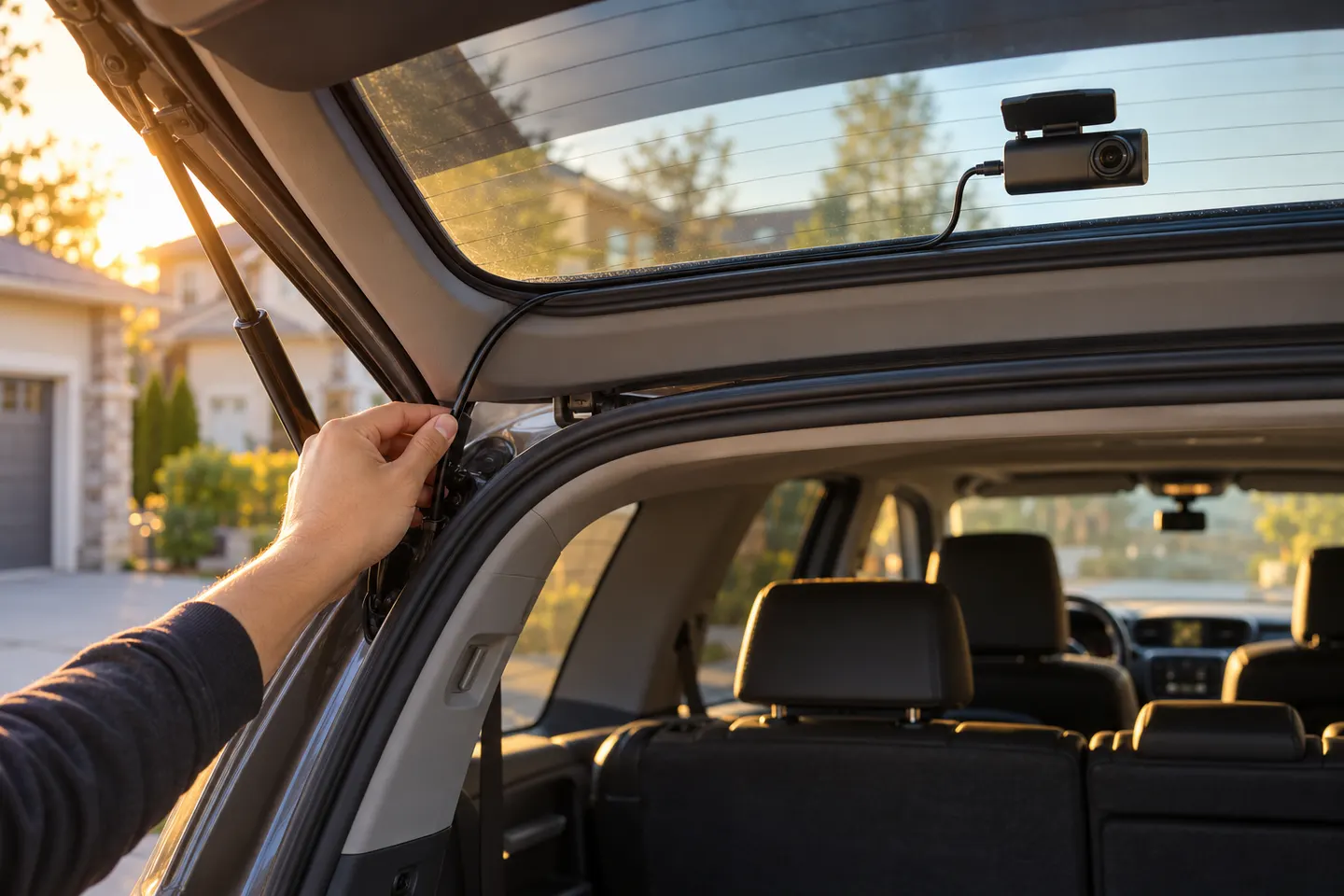
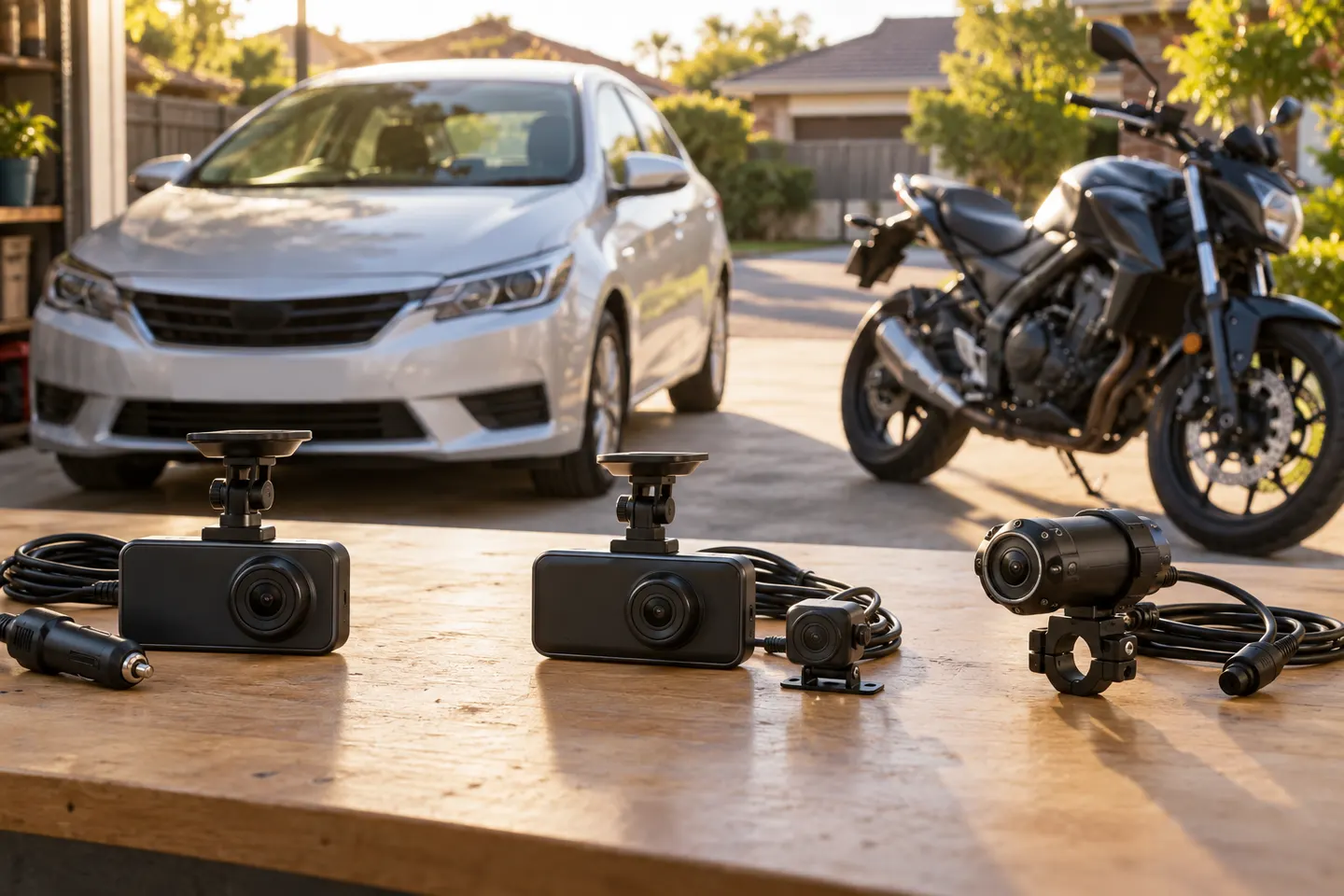
A front camera covers the road ahead. A rear channel adds context behind the vehicle, while an interior camera serves a different purpose. More channels mean more wiring, storage use and footage to manage.
03
Allow for installation and power
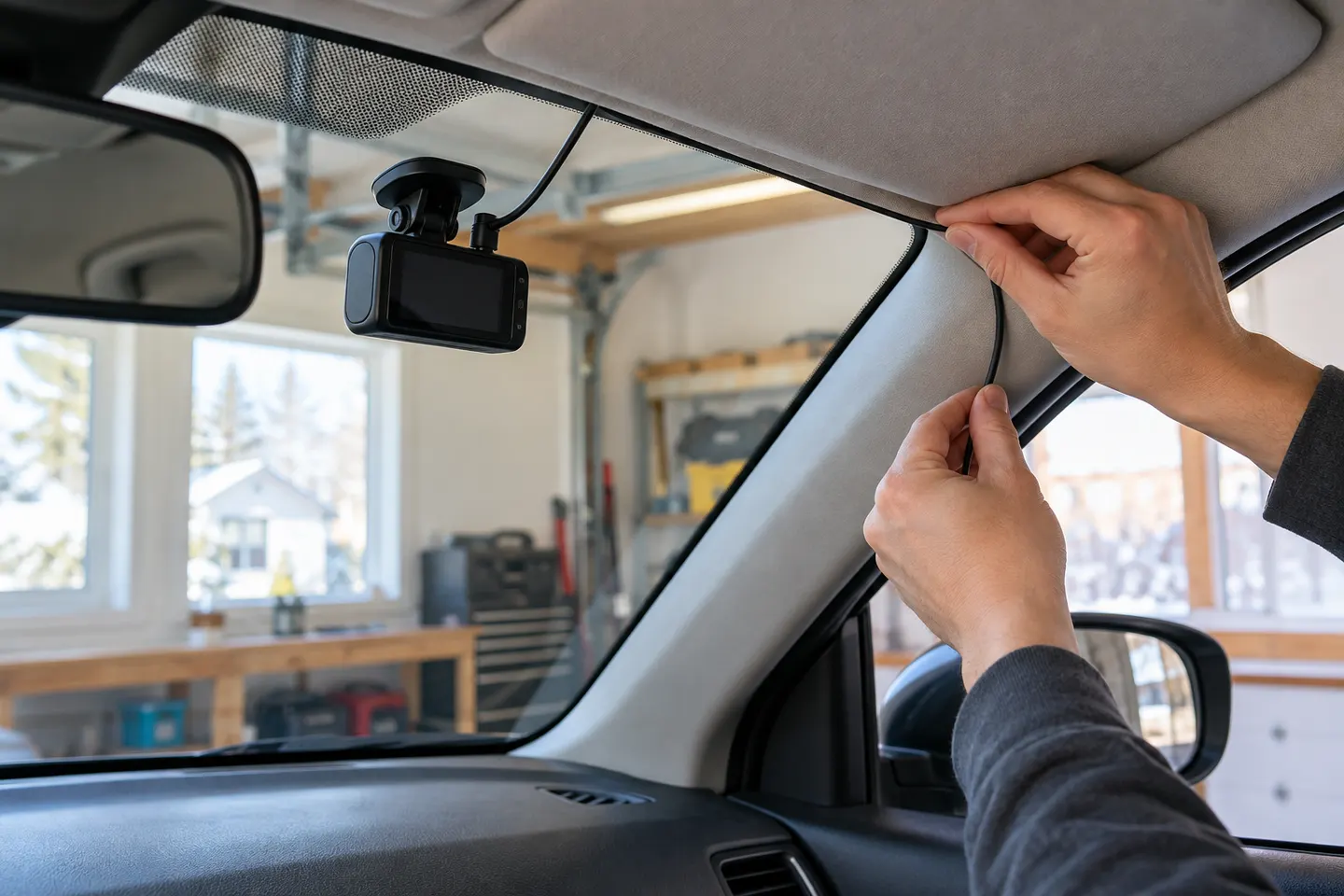
A plug-in camera is simpler to move, but visible cables may be inconvenient. Hardwiring can enable a cleaner installation and parking features, yet it should suit the vehicle and include appropriate battery protection.
04
Consider privacy before sharing footage
Dash cam files may include faces, number plates, conversations and location data. Keep access controlled, avoid unnecessary publication and obtain advice when the recording involves a workplace or a sensitive dispute.
05
Budget time for card care
Continuous recording is demanding on removable storage. Use a card that meets the camera maker's requirements, format it as directed and check periodically that new clips can be opened.
06
Make the decision around your driving
Frequent driving, business use, street parking or long regional trips may strengthen the case for a camera. An occasional driver may value a simpler single-channel unit or decide that the ongoing upkeep is not useful enough.
Common questions
Questions before you buy
Are dash cams worth it for insurance claims?
A clear, time-relevant recording may help explain an event, but insurers assess all available evidence and policy terms. A camera does not guarantee a claim outcome.
What are the disadvantages of a dash cam?
It adds installation work, card maintenance, privacy responsibilities and possible battery demand when parked. Poor placement can also obstruct vision.
Is it legal to use a dash cam in Australia?
Dash cams are commonly used, but surveillance, audio recording, privacy and road-visibility rules vary by jurisdiction and circumstances. Check current local requirements.
Is a front and rear dash cam worth it?
It is useful when you want context from both directions, especially for impacts from behind. The trade-offs are extra hardware, installation and storage use.
A plug-in installation suits basic driving recording; professional hardwiring is the safer route for neat cabling and parking mode. Keep every camera and cable clear of vision and airbags.
A two-channel system is the clearest choice when you want evidence from both directions. Prioritise rear-camera quality, cable length and an installation that keeps the driver's view clear.
Start with the coverage you need: front-only for simplicity, front-rear for broader evidence, or a dedicated motorcycle system. Then decide how you will power it.
Your privacy
We use cookies and similar technologies. Necessary ones keep the site working. With your permission we also use statistics cookies (Google Analytics and Microsoft Clarity) to understand which guides help readers. You can accept all, reject all or choose. You can change your choice at any time from "Cookie settings" at the bottom of every page. Cookie policy