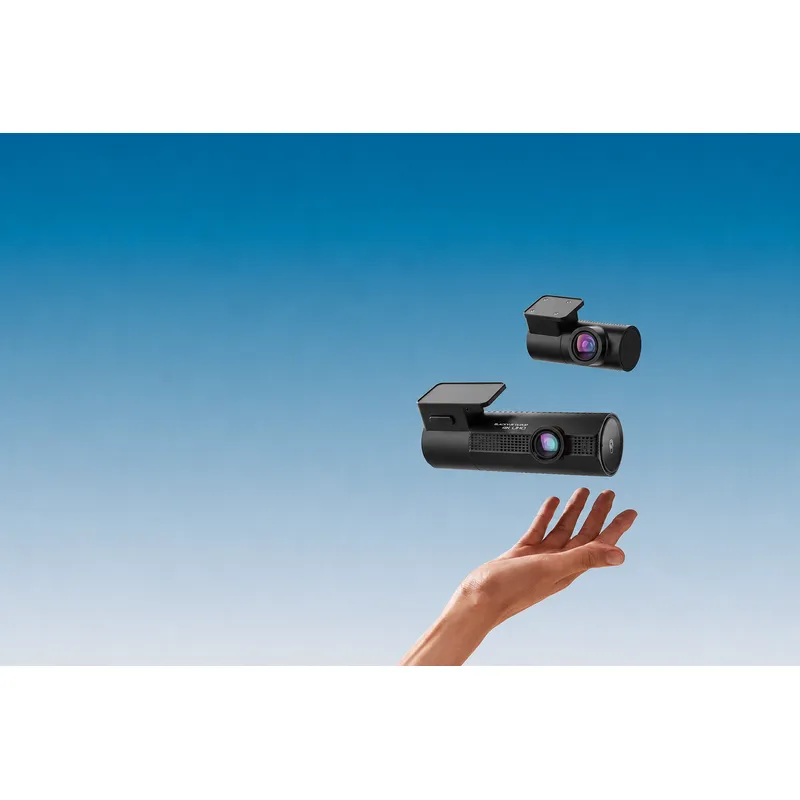
Gearjury may earn a commission through retailer links. Safety and legal requirements take priority over camera convenience.
Guide
Where to Position a Dash Cam in Your Car
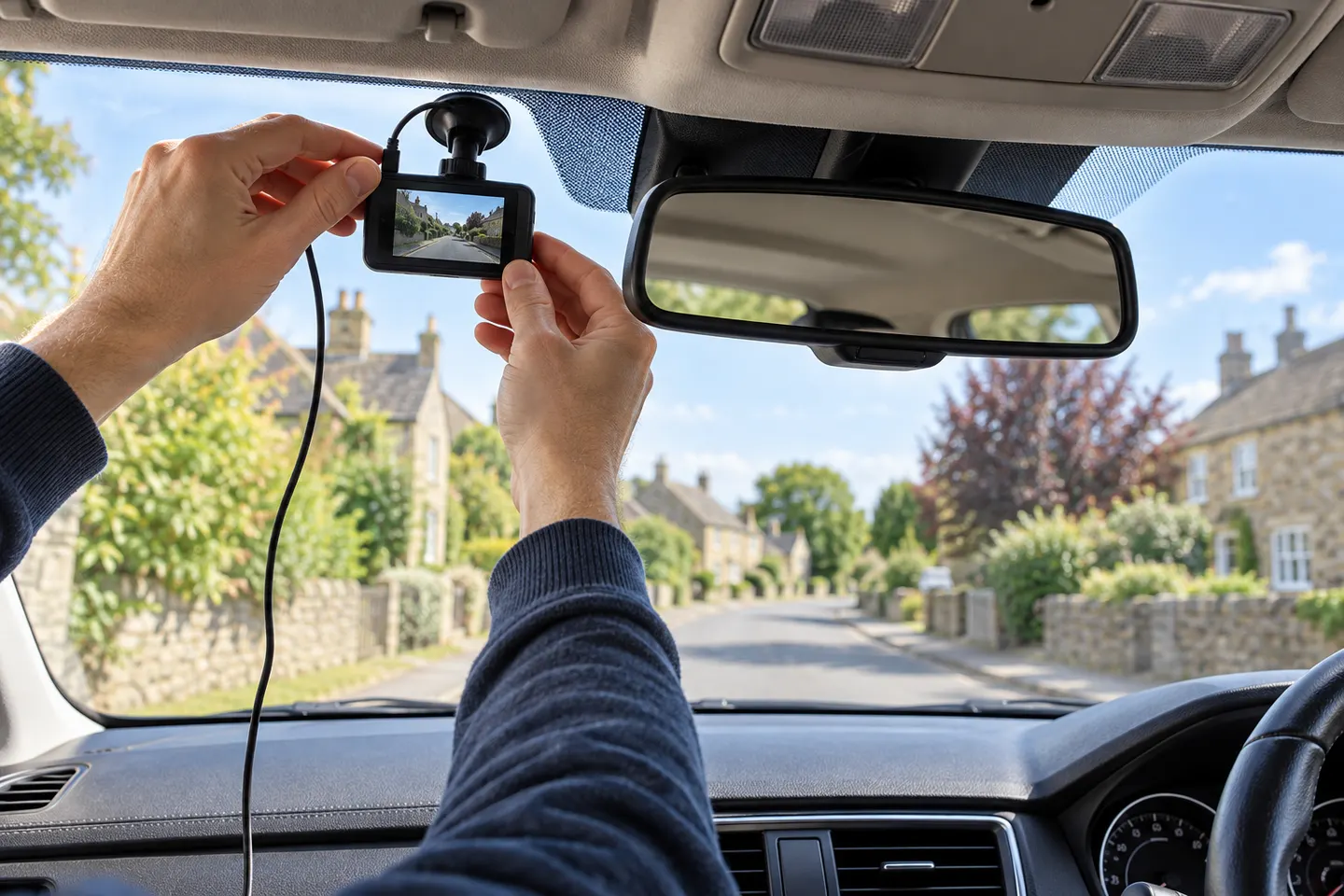
Mount the front camera high and near the centre of the windscreen where it has a clear view but does not obstruct yours. Check the saved image before fixing cables permanently.
GGearjury editorial team · Updated 15 October 2026· 6 min
01
Where should you position a dash cam?
Choose a high, central area of the windscreen, often close to or behind the rear-view mirror, provided the unit and mount do not obstruct the driver's direct field of vision. Check state rules, the vehicle manual and the camera instructions.
02
Test the best dashcam position before sticking it
Power the camera temporarily and inspect its live view. Make sure the lens is not hidden by the mirror housing, a dotted ceramic area, tint edge or wiper blind spot, and leave enough access to remove the memory card.
03
Aim the lens at the road, not the bonnet
Keep the horizon broadly level and avoid filling the frame with dashboard or sky. The exact balance depends on the lens and vehicle; review a saved driving clip rather than relying only on the setup screen.
04
Place the rear camera within the swept glass
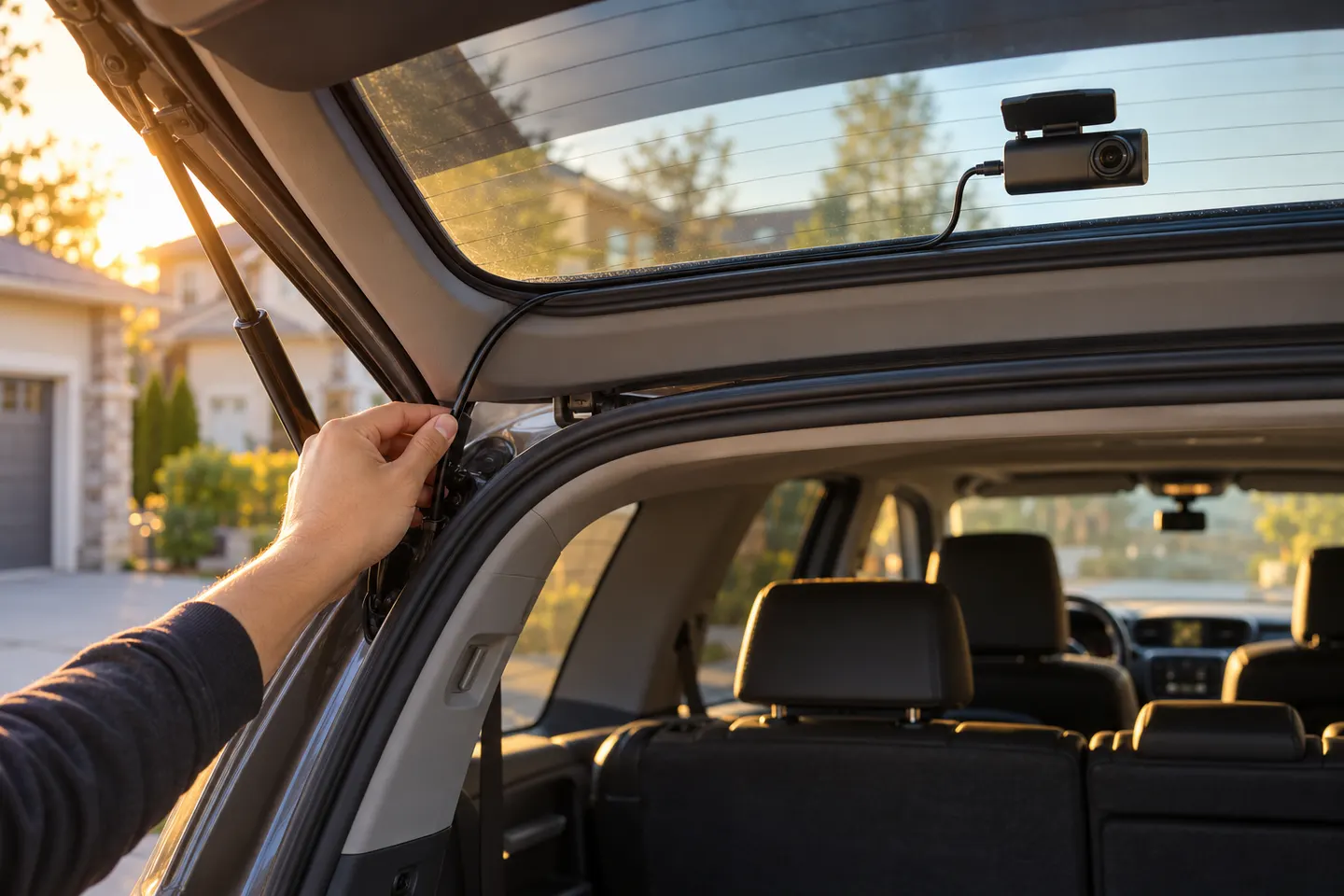
Mount a rear lens where the demister lines, spoiler and heavy tint have the least effect, ideally within the rear wiper's cleaned area where available. Test whether an opening tailgate strains the cable.
05
Route cables away from airbags and controls
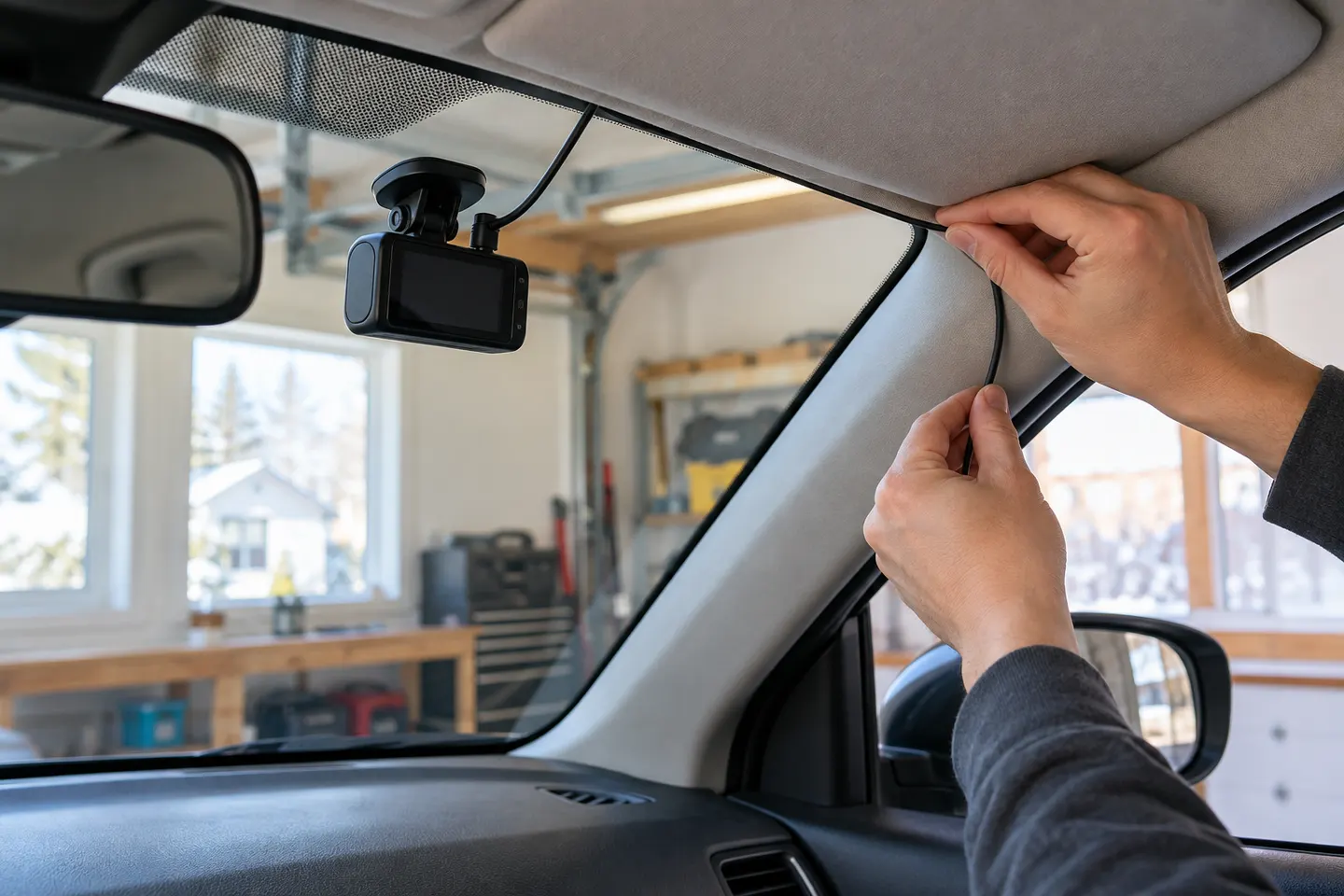
Do not tuck wiring across curtain-airbag deployment paths or interfere with mirrors, sensors, pedals or steering. If trim removal or hardwiring is required, use the vehicle documentation or a competent installer.
06
Recheck the view after final installation
Record short clips in daylight and darkness. Confirm both road edges, horizon, reflections, timestamp and rear alignment, then check the mount again periodically because heat and vibration can loosen it.
Common questions
Questions before you buy
Where to position a dash cam on the windscreen?
High and near the centre is usually effective if it remains outside the driver's direct view and the lens has a clear swept area. Follow applicable rules and maker instructions.
Can I put a dash cam behind the rear-view mirror?
Often, yes, and that can reduce visual obstruction. Make sure the mirror or windscreen markings do not block the lens and controls remain accessible.
Should a dash cam be on the driver or passenger side?
The best side depends on mirror shape, sensor housings and local requirements. Prioritise an unobstructed camera image and an unobstructed driver view.
Where should a rear dash cam be positioned?
Place it high and central where practical, within clear glass and preferably the rear wiper's swept zone. Check tint, demister lines and tailgate cable movement.
A plug-in installation suits basic driving recording; professional hardwiring is the safer route for neat cabling and parking mode. Keep every camera and cable clear of vision and airbags.
A two-channel system is the clearest choice when you want evidence from both directions. Prioritise rear-camera quality, cable length and an installation that keeps the driver's view clear.
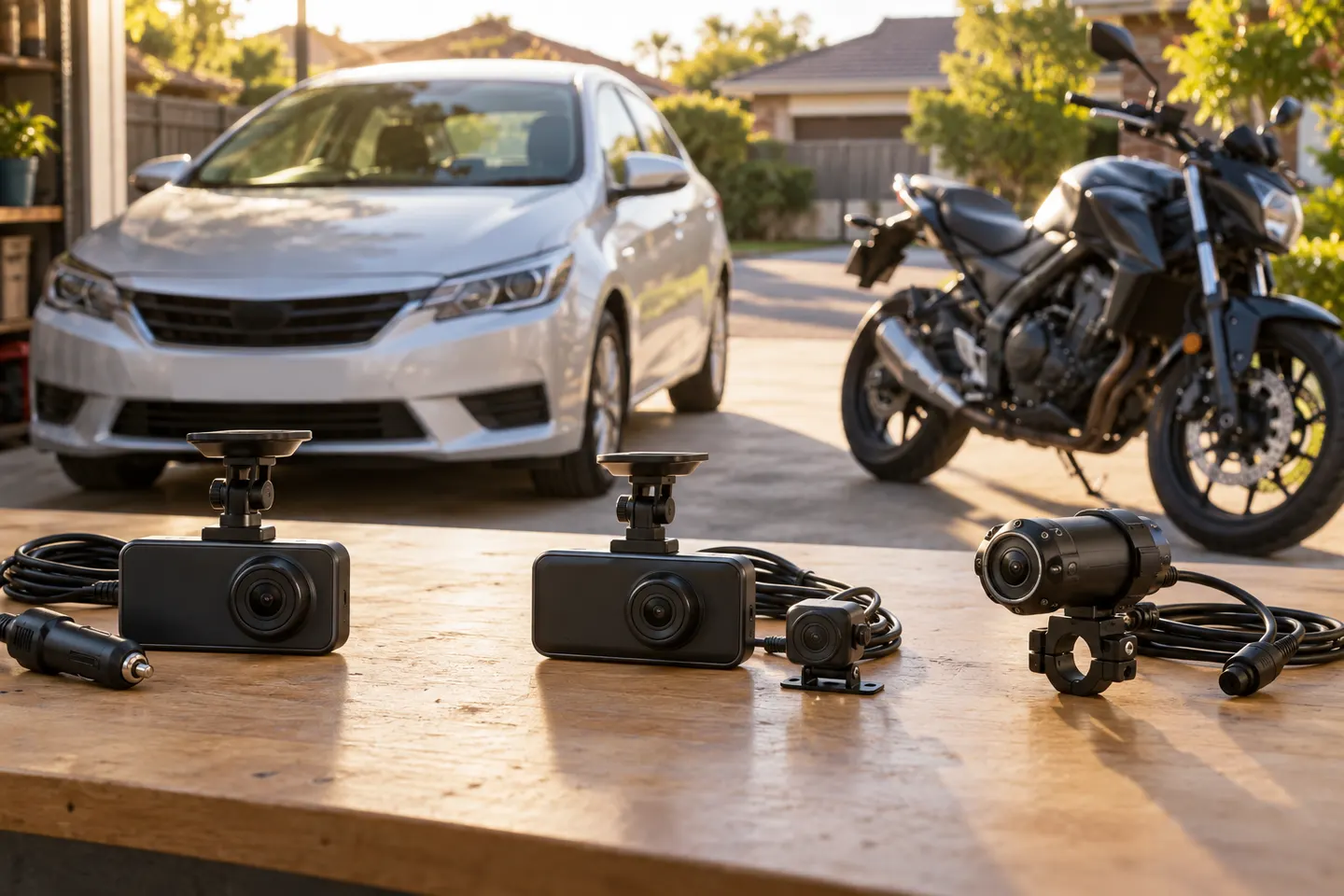
Start with the coverage you need: front-only for simplicity, front-rear for broader evidence, or a dedicated motorcycle system. Then decide how you will power it.
Your privacy
We use cookies and similar technologies. Necessary ones keep the site working. With your permission we also use statistics cookies (Google Analytics and Microsoft Clarity) to understand which guides help readers. You can accept all, reject all or choose. You can change your choice at any time from "Cookie settings" at the bottom of every page. Cookie policy