
Independent buying guidance · Australia editionHow we work
Gearjury
All categories
All categories
Best picksBest Dash Cam in Australia: Five Models Compared
Best picksBest Wi-Fi Extenders in Australia for Different Homes
Best picksThe Best Meat Thermometer for Every Kind of Cook
Best picksBest Headlamp Torches for Different Uses in 2026
Best picksBest Portable Air Coolers to Consider in Australia (2026)
Best picksBest Winter Gloves for Everyday Wear and Outdoor Use
Best picksBest Cordless String Trimmers for Australian Gardens (2026)
Best picksBest air purifier for bedroom in Australia: five models compared
AustraliaEnglish

Gearjury may earn a commission when you use a retailer link. This guide is editorially independent.

Guide

Is a Dash Cam Worth It for Australian Drivers?

A dash cam can be worthwhile if you value an independent visual record of incidents and will maintain the card and installation. It cannot prevent a crash, prove every disputed fact or guarantee an insurance outcome.

Is a Dash Cam Worth It for Australian Drivers?
01

When is a dash cam worth it?

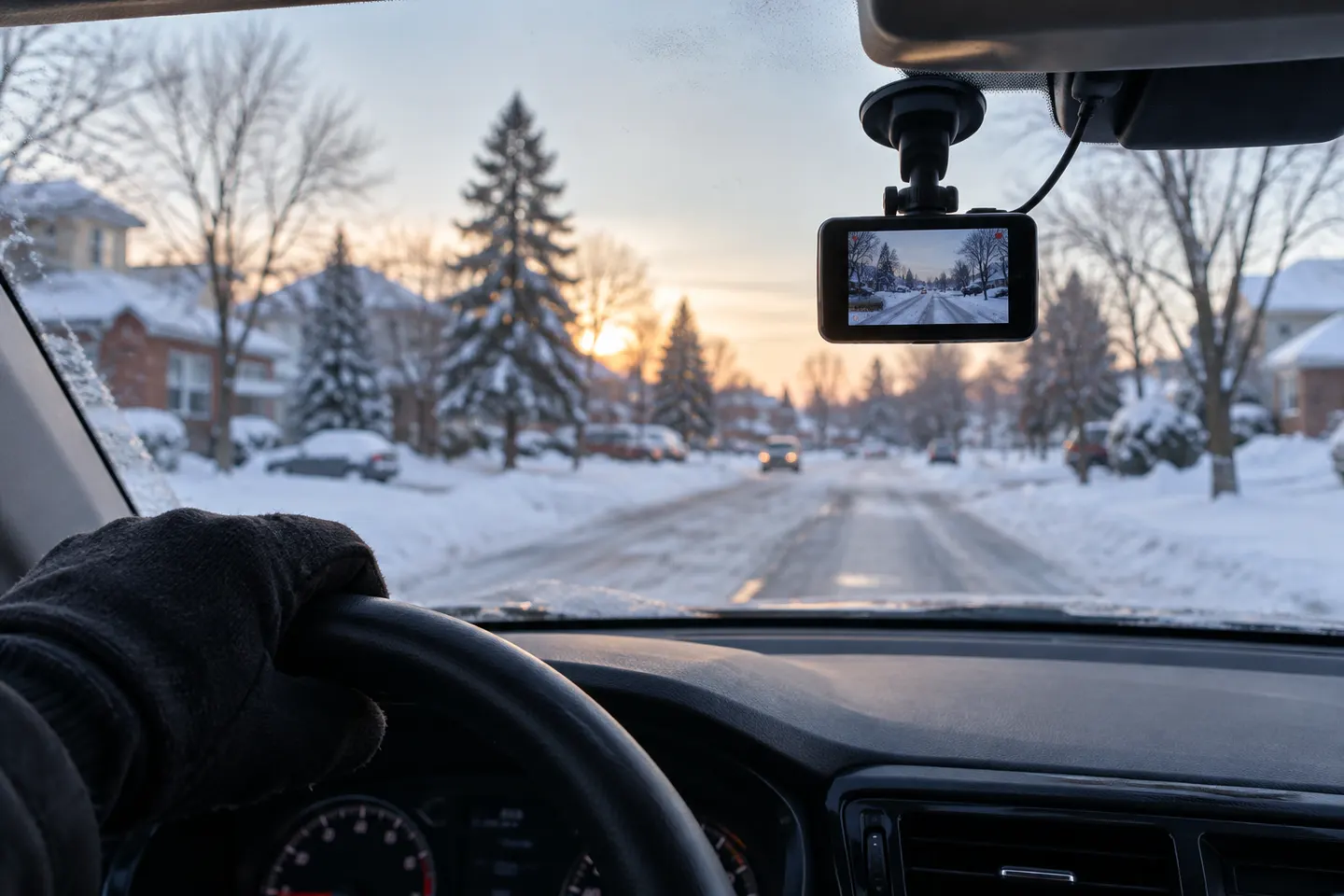
It is most useful when a time-stamped road view could clarify an incident, when you drive frequently or when you want a record of front and rear events. Value depends on whether the camera reliably starts, maintains a clear view and saves footage when required.
02

What can dash cam footage actually show?

Footage may show vehicle positions, signals, road conditions and the sequence visible to the lens. It may miss events outside the field of view, fine detail in difficult light or activity after power is lost, so it should be treated as one piece of evidence rather than a complete account.

03

Choose coverage before resolution

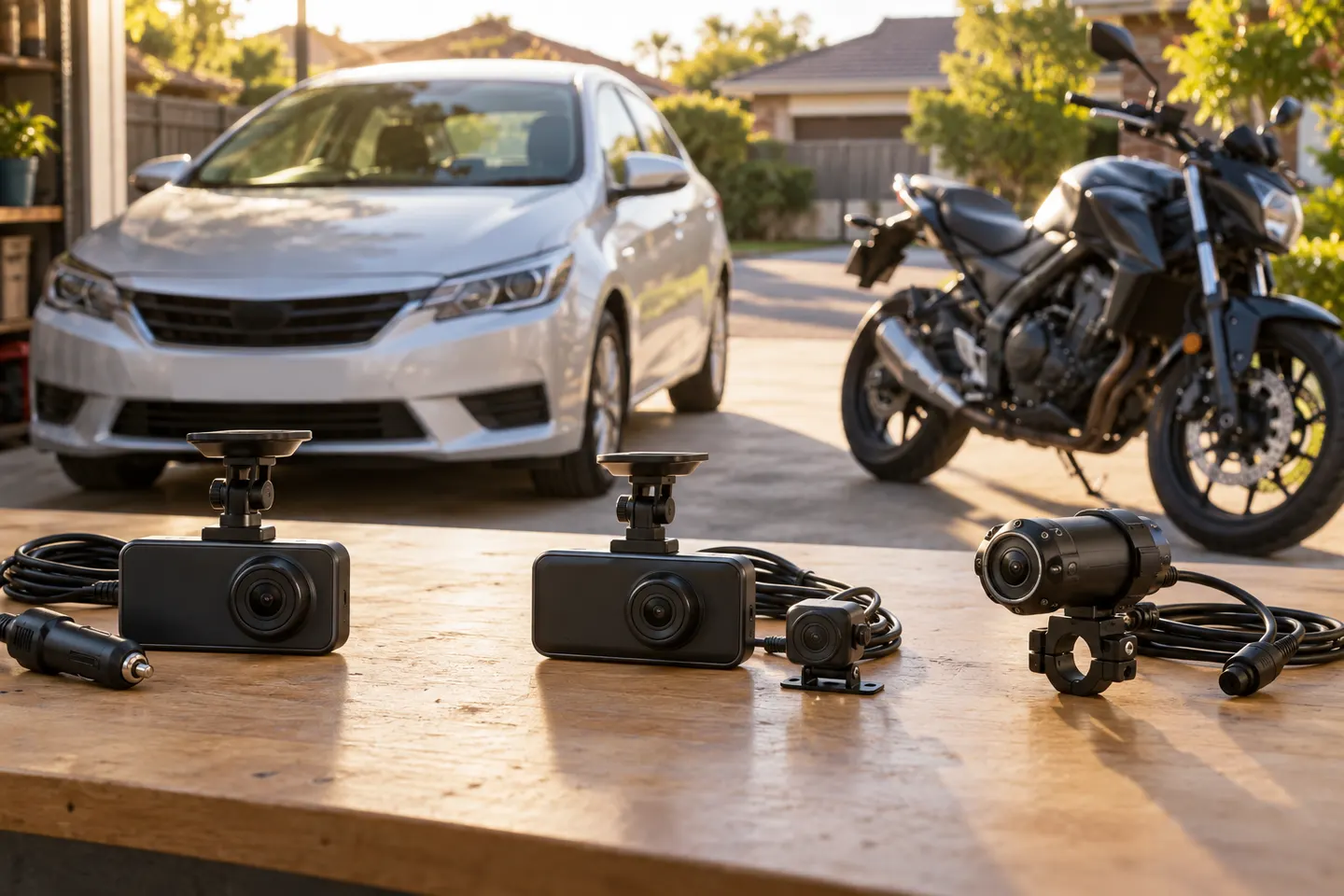
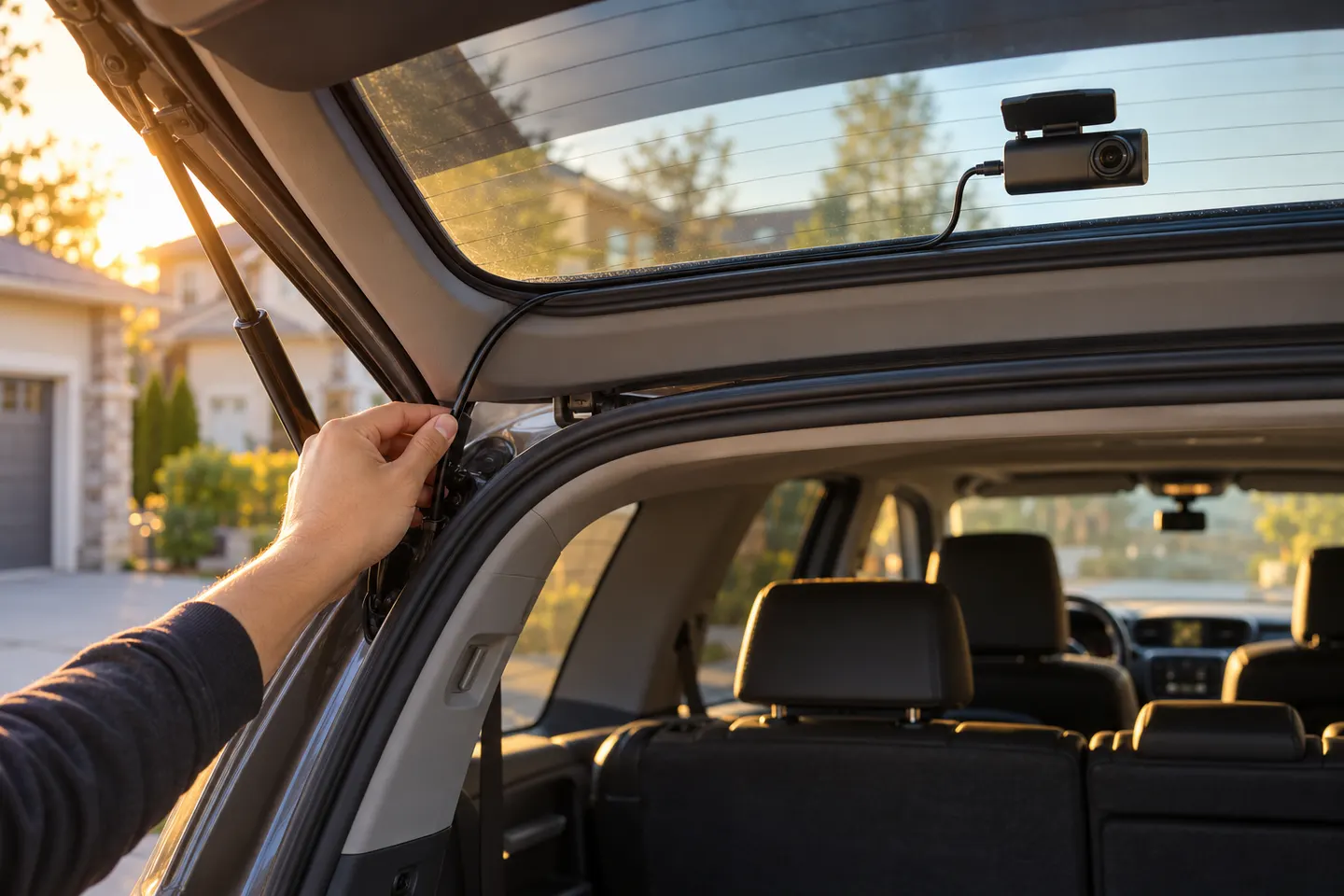
A strong front camera records the most common forward view. A rear channel adds context in tail impacts, while a cabin channel may matter for rideshare work; each additional stream increases installation and storage demands.

04

Account for wiring and parking mode

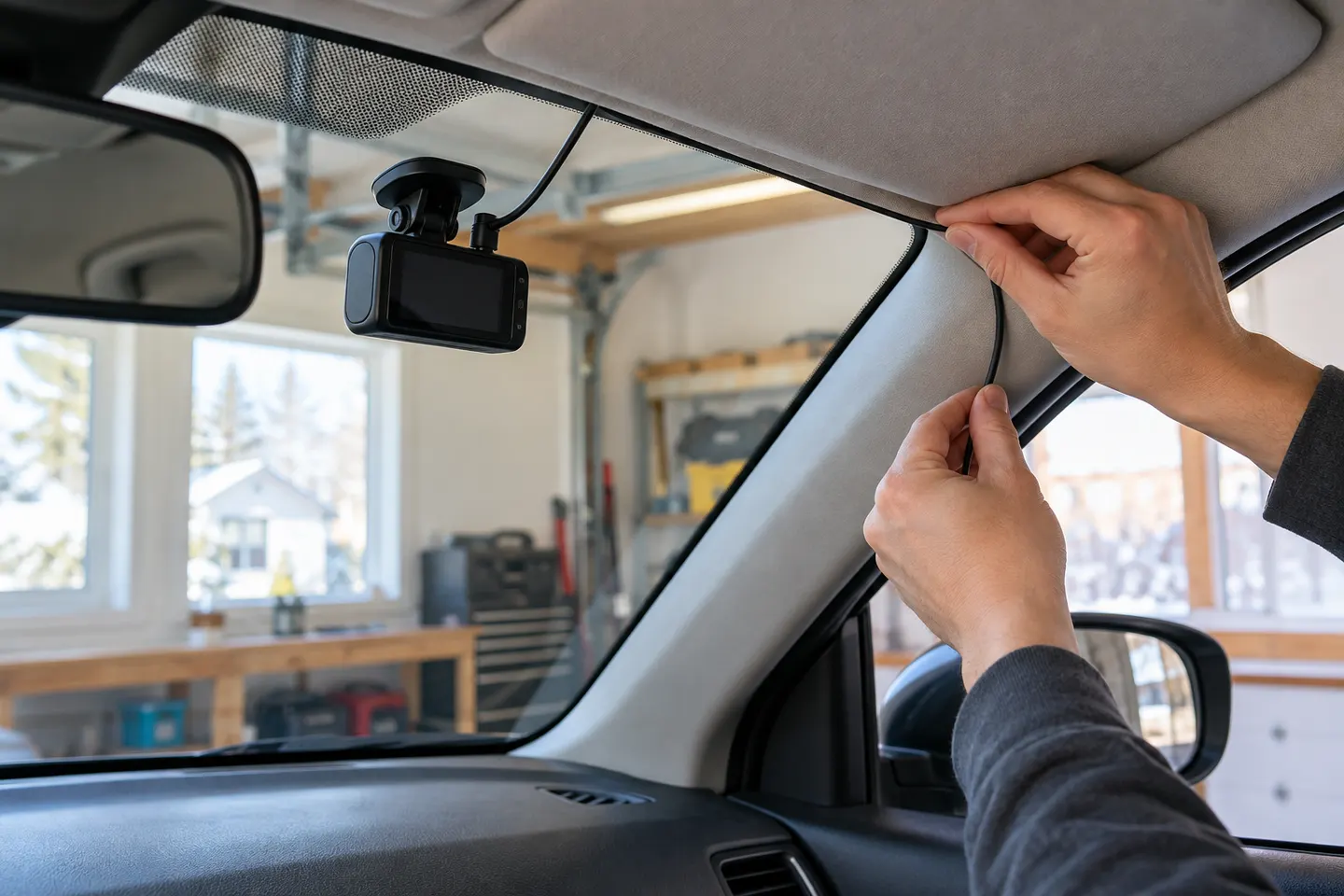
Plug-in power is easier to remove. Hardwiring can enable supported parked recording and hide cable, but it needs correct fuse selection, low-voltage protection and routing around airbags.

05

Plan for privacy and lawful handling

Recording, retaining and sharing footage can raise privacy and surveillance questions, particularly where conversations or private places are involved. Check the rules that apply in your state or territory and share clips only for a legitimate purpose.

06

Maintain the memory card and camera

Use a card that meets the manufacturer’s endurance, speed and capacity requirements. Review sample clips, confirm the date, clean the lens and follow the stated formatting schedule so a silent card failure is less likely to go unnoticed.

Common questions

Questions before you buy

Is a dash cam worth it for occasional driving?

It can be, but the benefit is lower if the car is rarely used. A compact removable unit may suit occasional or shared vehicles better than a complex permanent system.

Can dash cam footage help with an insurance claim?

Insurers may consider relevant footage, but it does not guarantee acceptance or determine liability by itself. Preserve the original file and follow the insurer’s submission instructions.

Is front and rear recording worth it?

It adds useful context behind the vehicle, especially for rear impacts and parking events. The trade-offs are extra wiring, storage use and installation work.

Is parking mode worth hardwiring a dash cam?

It may be if unattended incidents are a priority. Use compatible hardware with battery protection and understand whether the mode records impacts, motion, time-lapse or low-bitrate video.

Do dash cams need maintenance?

Yes. Check recording, time settings, lens cleanliness, firmware and memory-card health periodically rather than assuming every journey was saved.

Sources and how we chose