







 Official manufacturer image
Our picks
Top picks
Official manufacturer image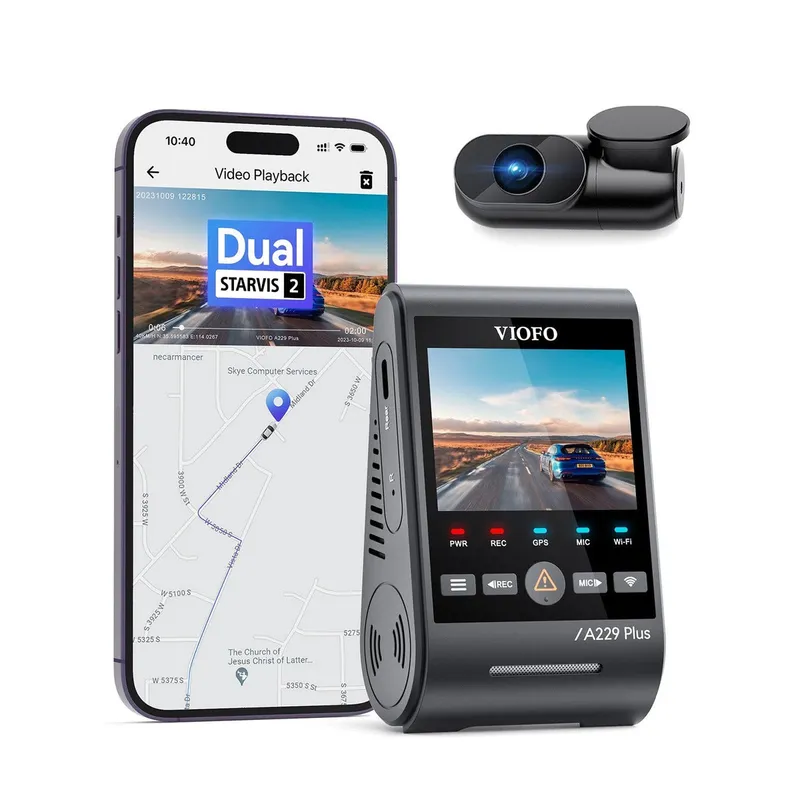 Official manufacturer image
VIOFO A229 Plus 2CH
Check price on Amazon AU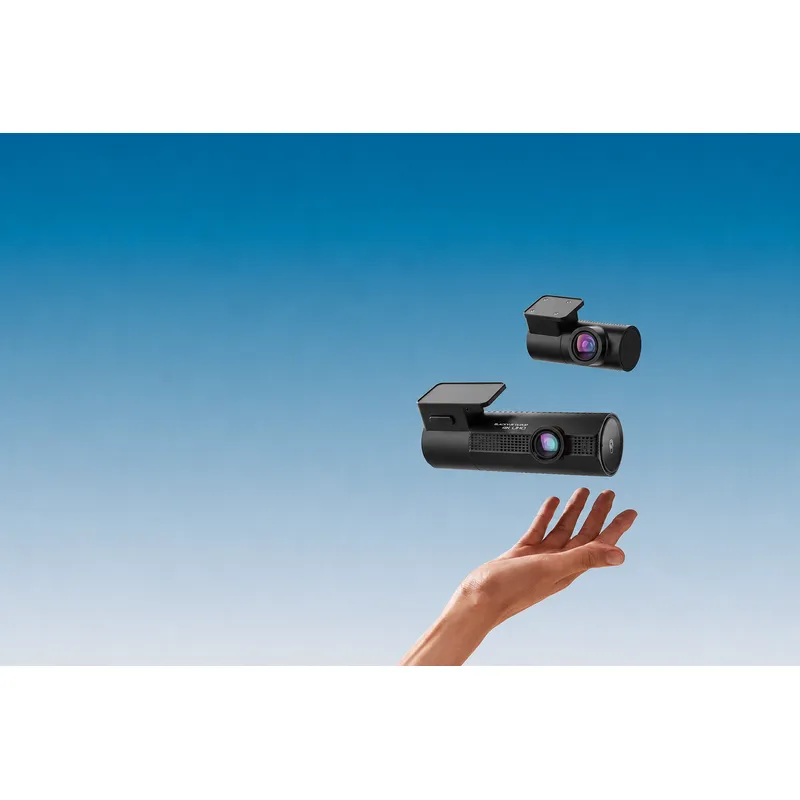 Official manufacturer image
BlackVue DR970X-2CH Plus
Check price on Amazon AUMore topics
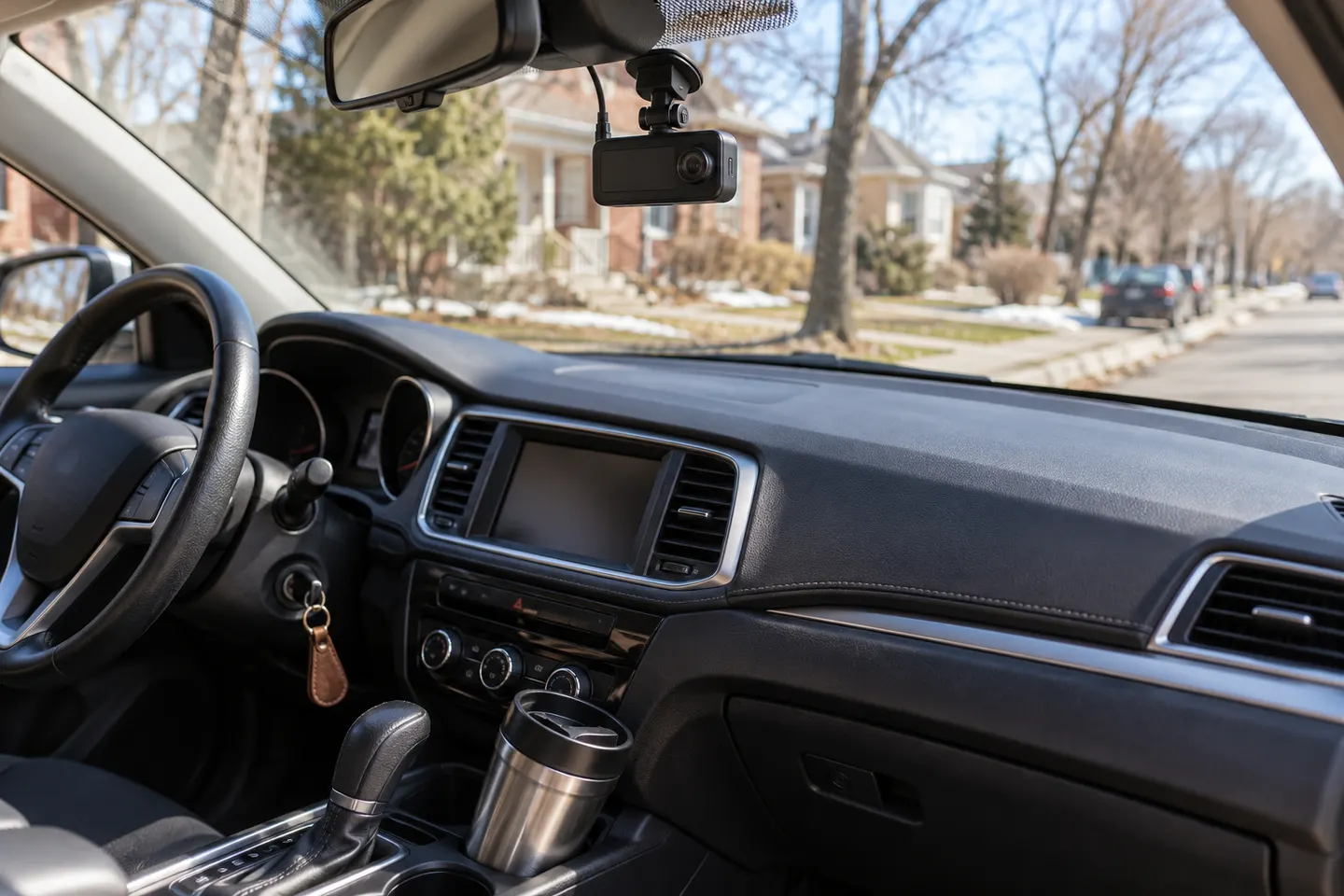 G-Sensor Dash Cam
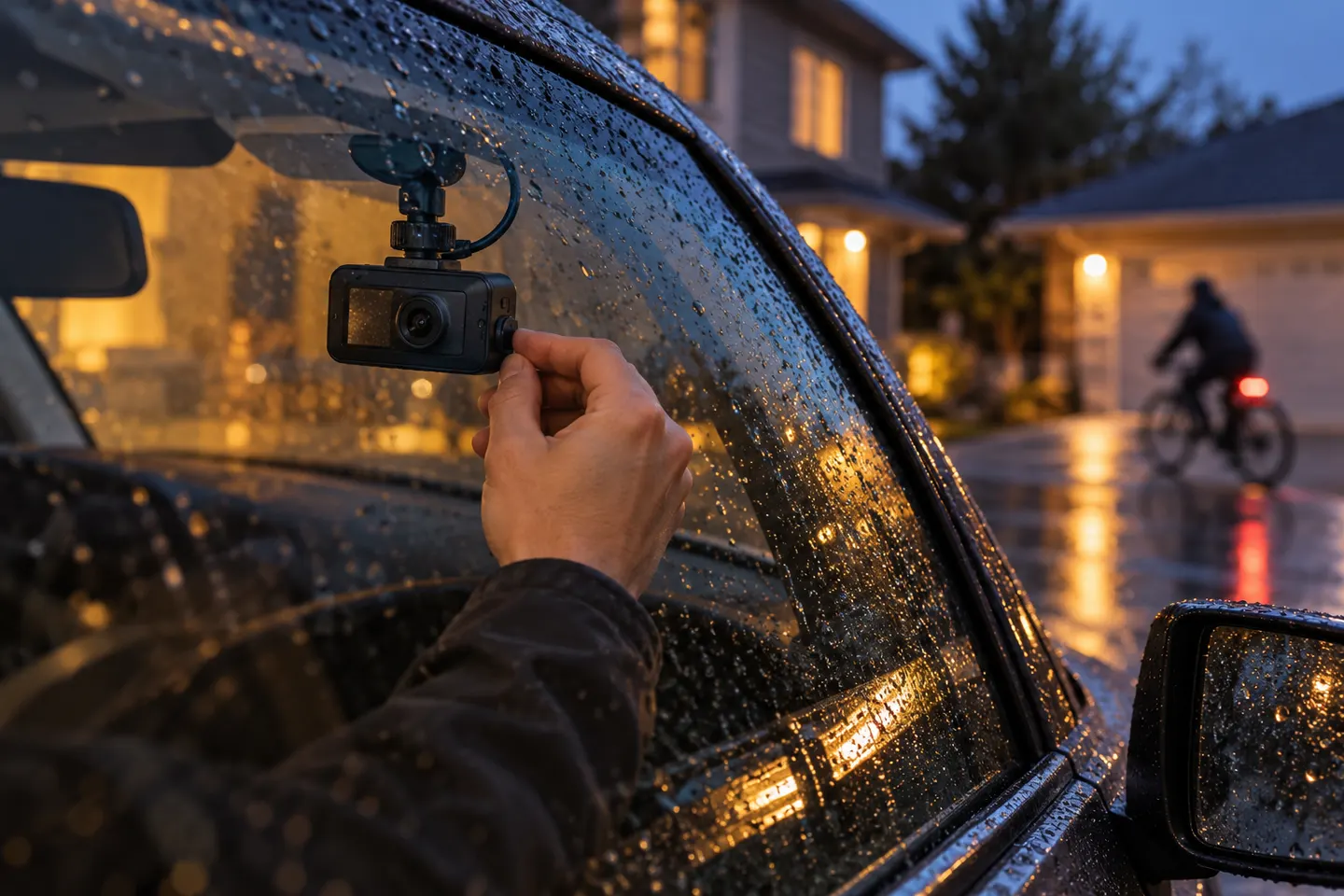 Dashcam Motion Sensor Recording
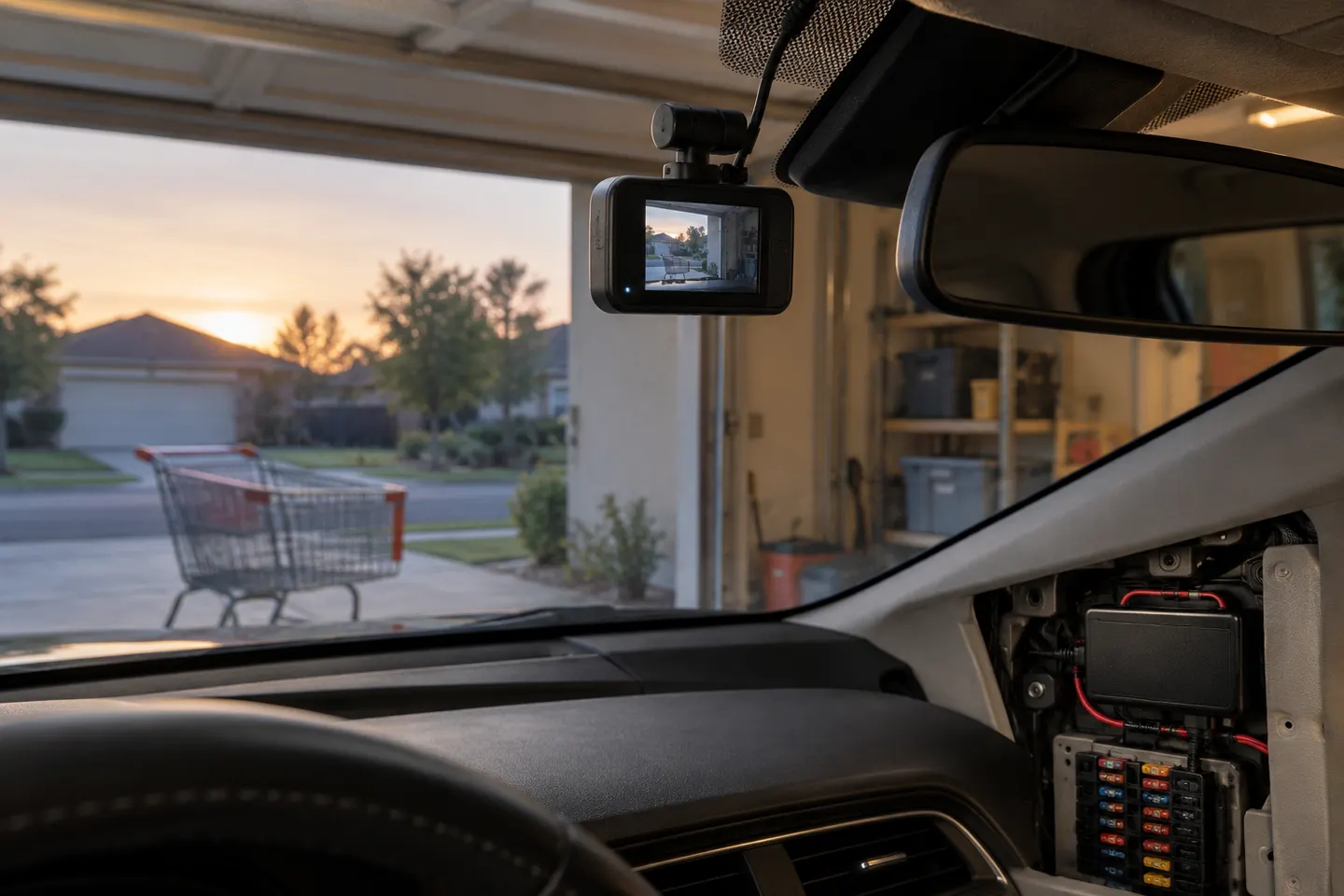 Dash Cam Movement Sensors for Parked Cars
Common questions
Questions before you buy
What is a G-sensor in a car camera?
It is an accelerometer that can detect sudden movement and mark associated footage as an event. Sensitivity and file-protection behaviour vary by model.
Does a larger image sensor make a dash cam better at night?
It can help collect light, but sensor size alone does not determine the result. Lens aperture, processing, exposure and video compression also affect detail.
How does parking motion detection work?
Video-based systems look for changes in the image, while some cameras use radar to detect nearby movement. Both require compatible parking mode and power.
Why does a dash cam keep saving impact files?
The G-sensor may be too sensitive for the road surface or vehicle. Adjust it within the manufacturer's settings and regularly check storage rather than disabling protection blindly.