








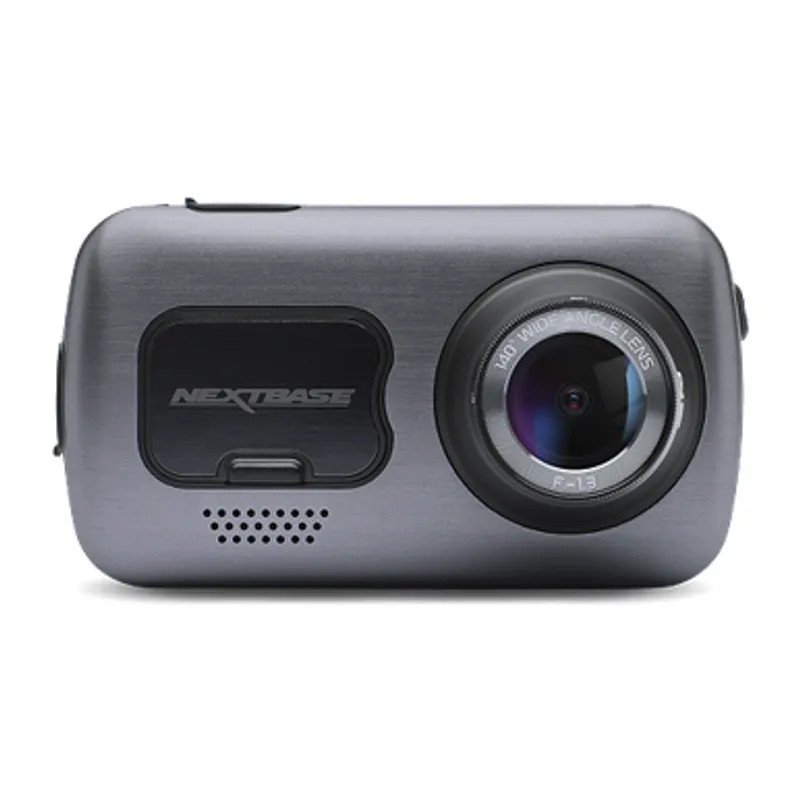
 Official manufacturer image
Our picks
Top picks
Official manufacturer image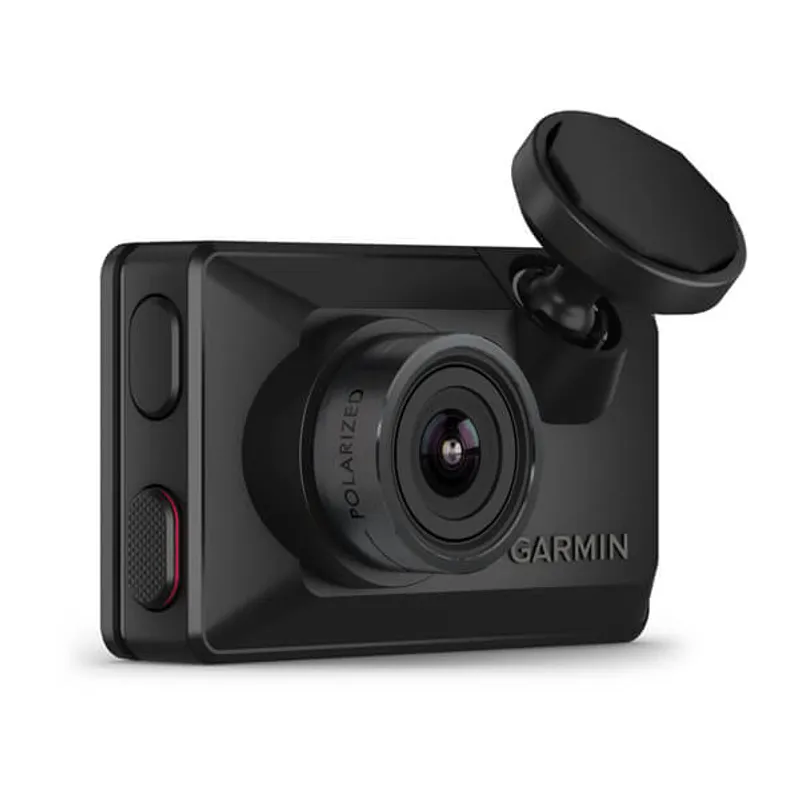 Official manufacturer image
Garmin Dash Cam X310
Check price on Amazon UK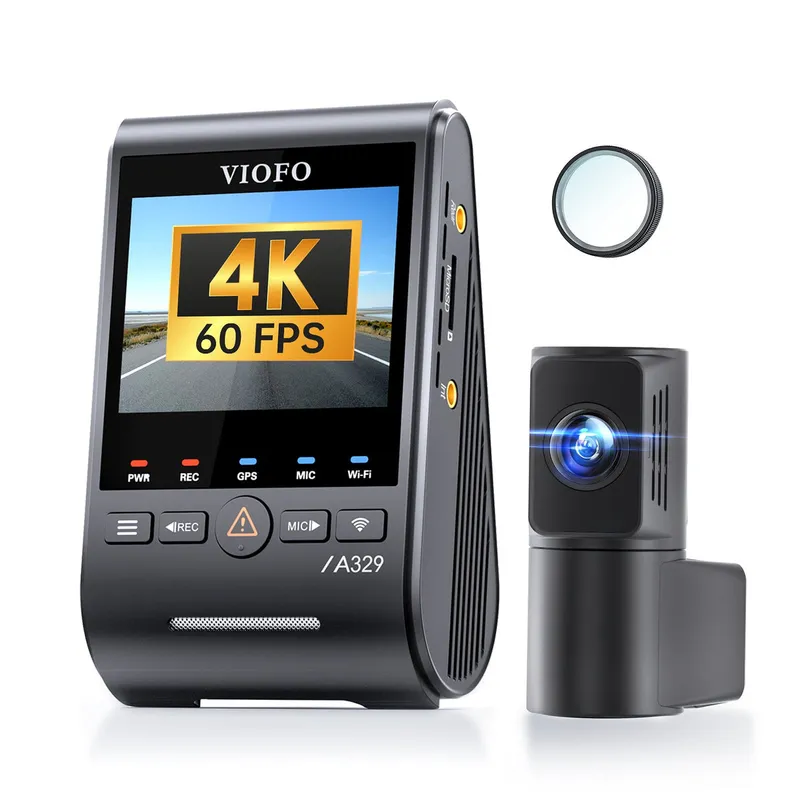 Official manufacturer image
VIOFO A329S 2CH
Check price on Amazon UKHow-to guides
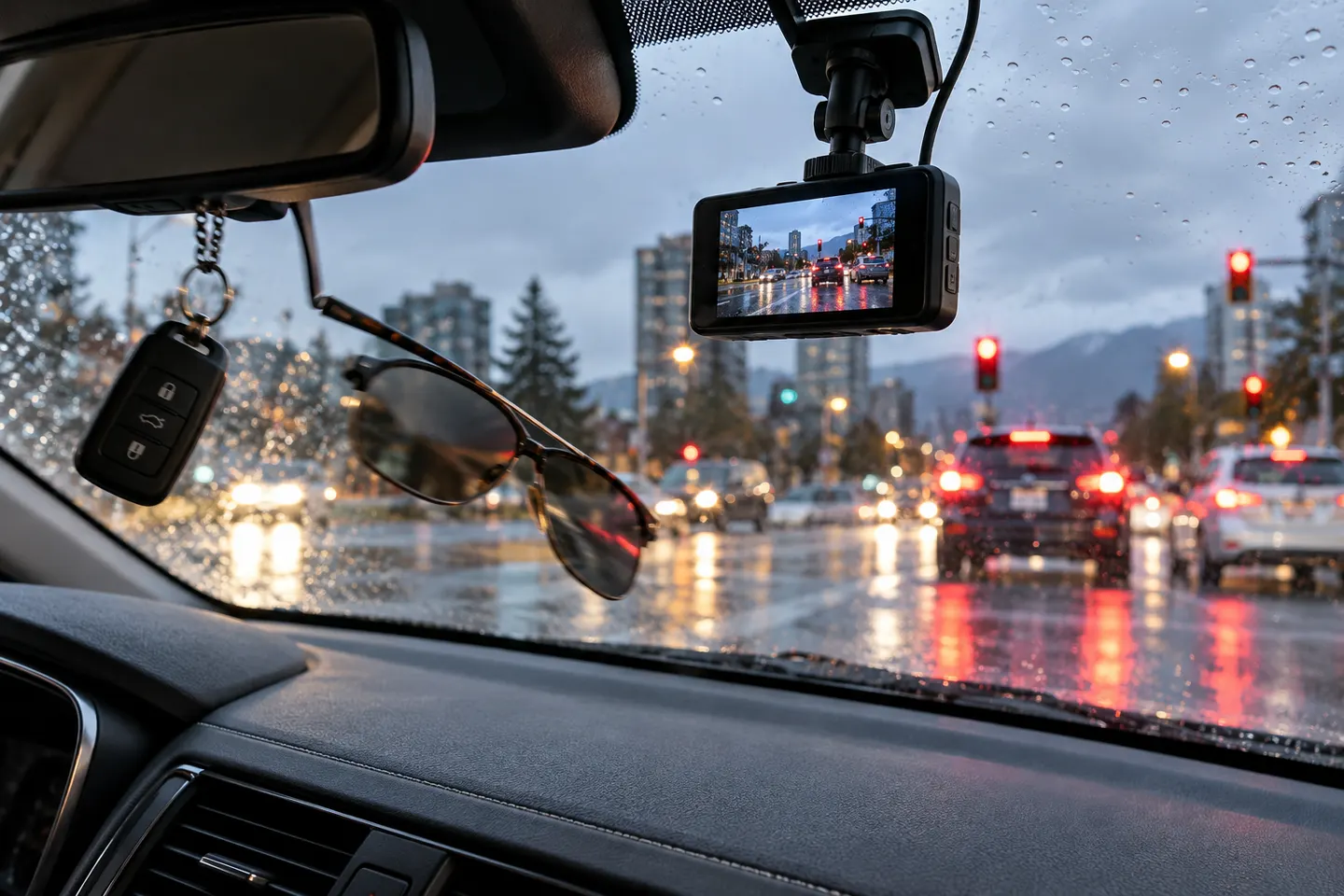 What Is a G-Sensor on a Dash Cam and How Does It…
More topics
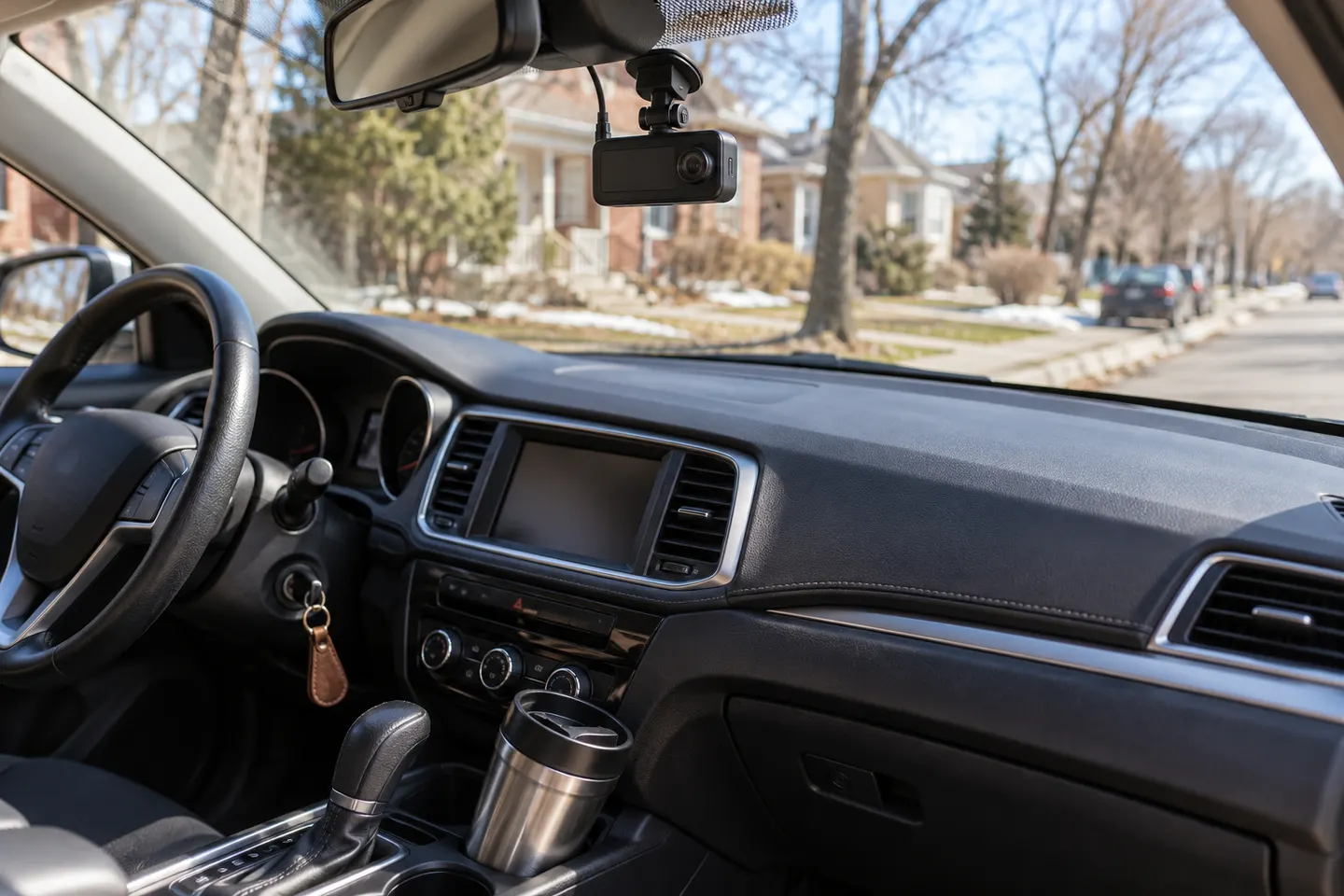 Dash Cam G Sensor Features Explained
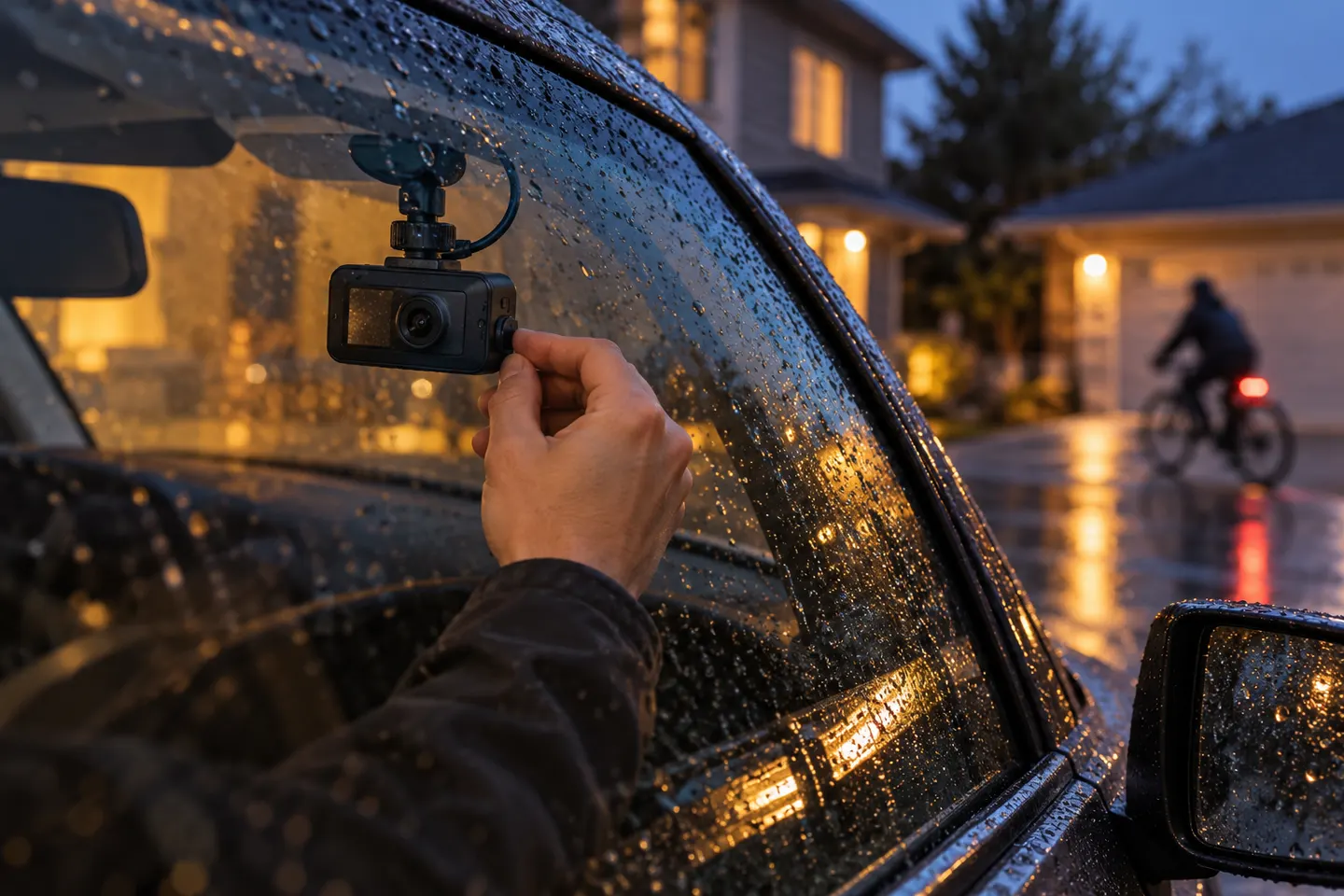 Dash Cam Motion Sensor Options for Parked Cars
Common questions
Questions before you buy
What sensor is best for a dash cam at night?
Look for a modern sensor paired with a bright lens and well-implemented HDR. Manufacturer sample clips and independent laboratory footage are more useful than megapixels alone.
What is a G-sensor in a car camera?
It is an accelerometer that detects sudden movement or impact. A dash cam can use that event to protect a clip from normal loop overwriting.
Does a higher-megapixel sensor always give better dashcam video?
No. Sensor area, pixel size, exposure, lens quality, compression and movement all influence the recorded detail.
What does HDR do in a dash cam?
HDR combines exposure information to retain detail across bright and dark areas. Its effectiveness varies by camera and recording mode.