







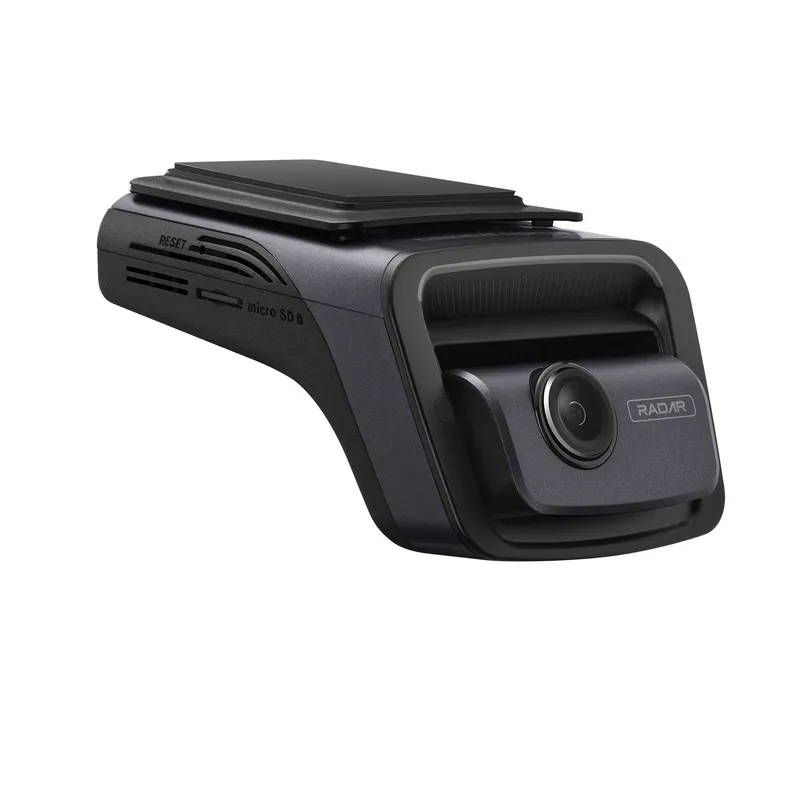
 Official manufacturer image
Our picks
Top picks
Official manufacturer image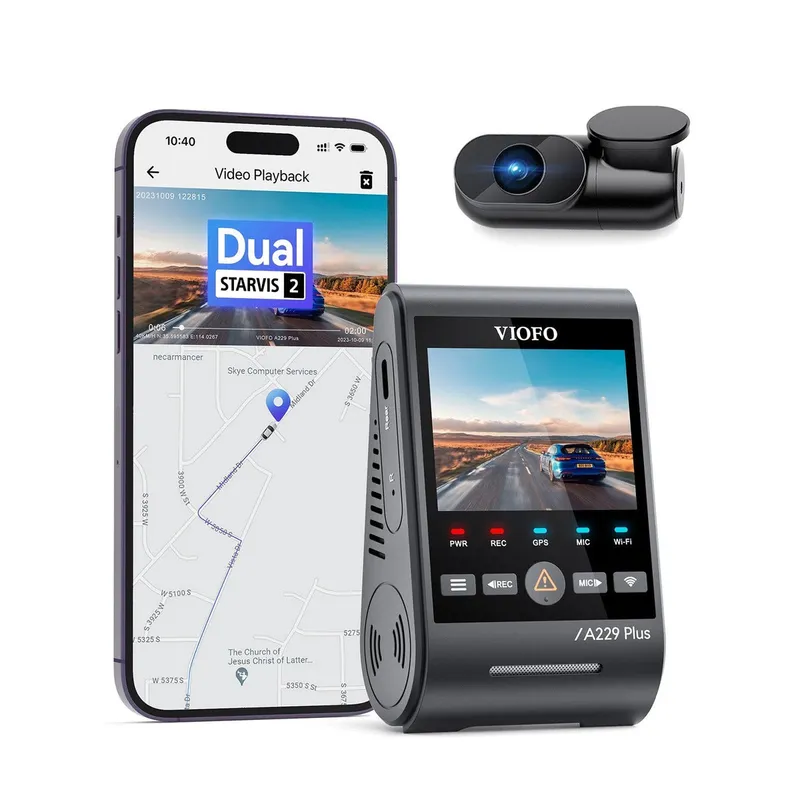 Official manufacturer image
VIOFO A229 Plus 2CH
Check price on Amazon AU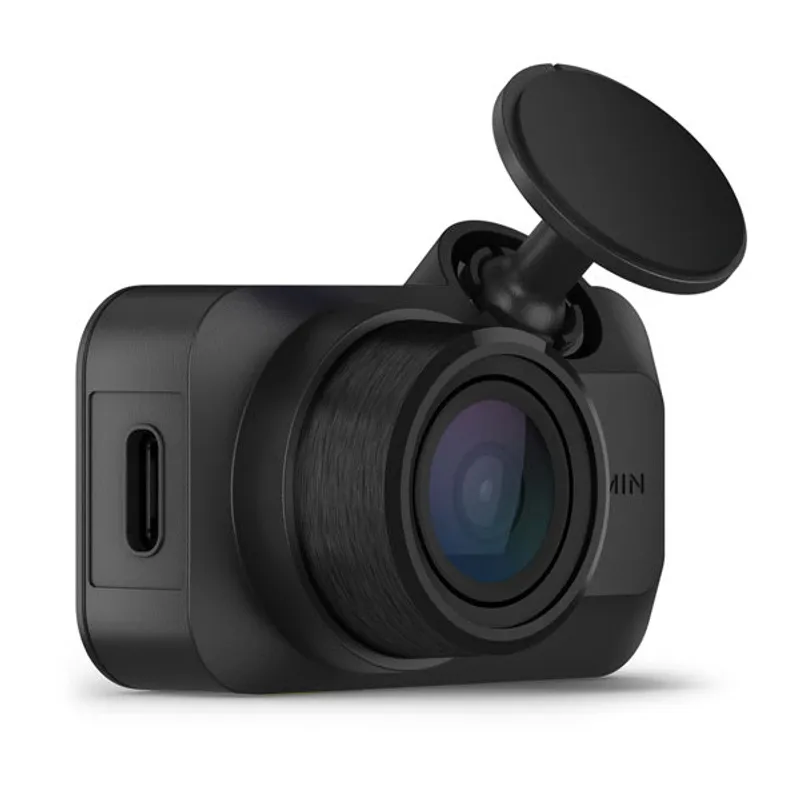 Official manufacturer image
Garmin Dash Cam Mini 3
Check price on Amazon AUInstallation and accessories
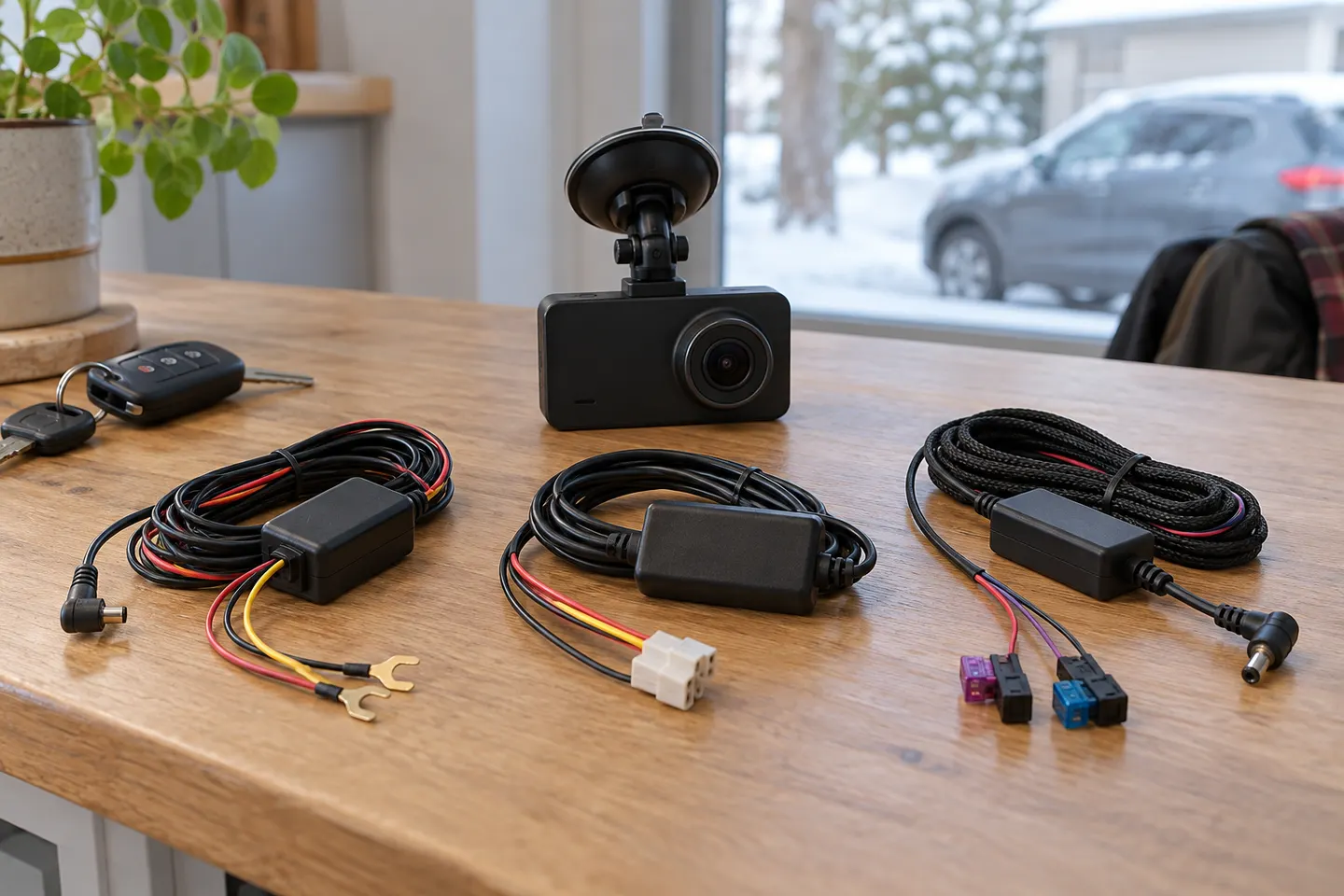 Hard wiring kit
Common questions
Questions before you buy
Is it better to hardwire a dash cam?
Hardwiring gives a cleaner finish and can enable supported parking modes. A socket lead is easier to remove and is sufficient for ordinary driving recording.
Can dash cam wiring interfere with airbags?
Poor cable routing can cross an airbag deployment path. Follow the vehicle and camera instructions or use a qualified installer.
What is the constant wire for on a dash cam kit?
On supported kits, a constant feed can power parking monitoring after the ignition is off. The kit should include low-voltage protection appropriate to the vehicle.
Why does my dash cam stay on after I park?
The socket or circuit may remain powered, or the hardwire kit may be in parking mode. Check the vehicle behaviour and kit settings rather than assuming a fault.