








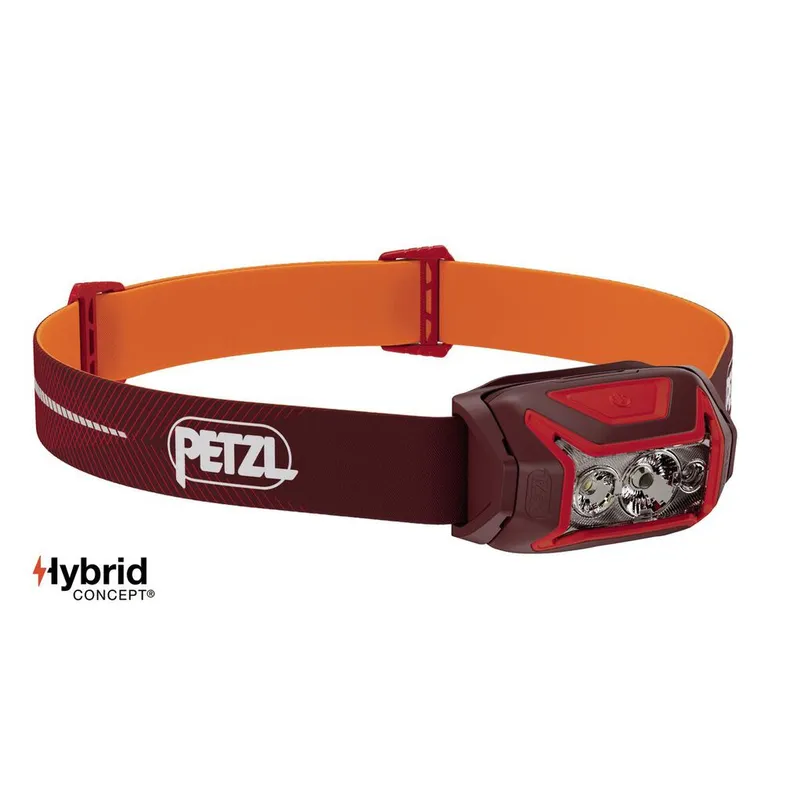
 Official manufacturer image
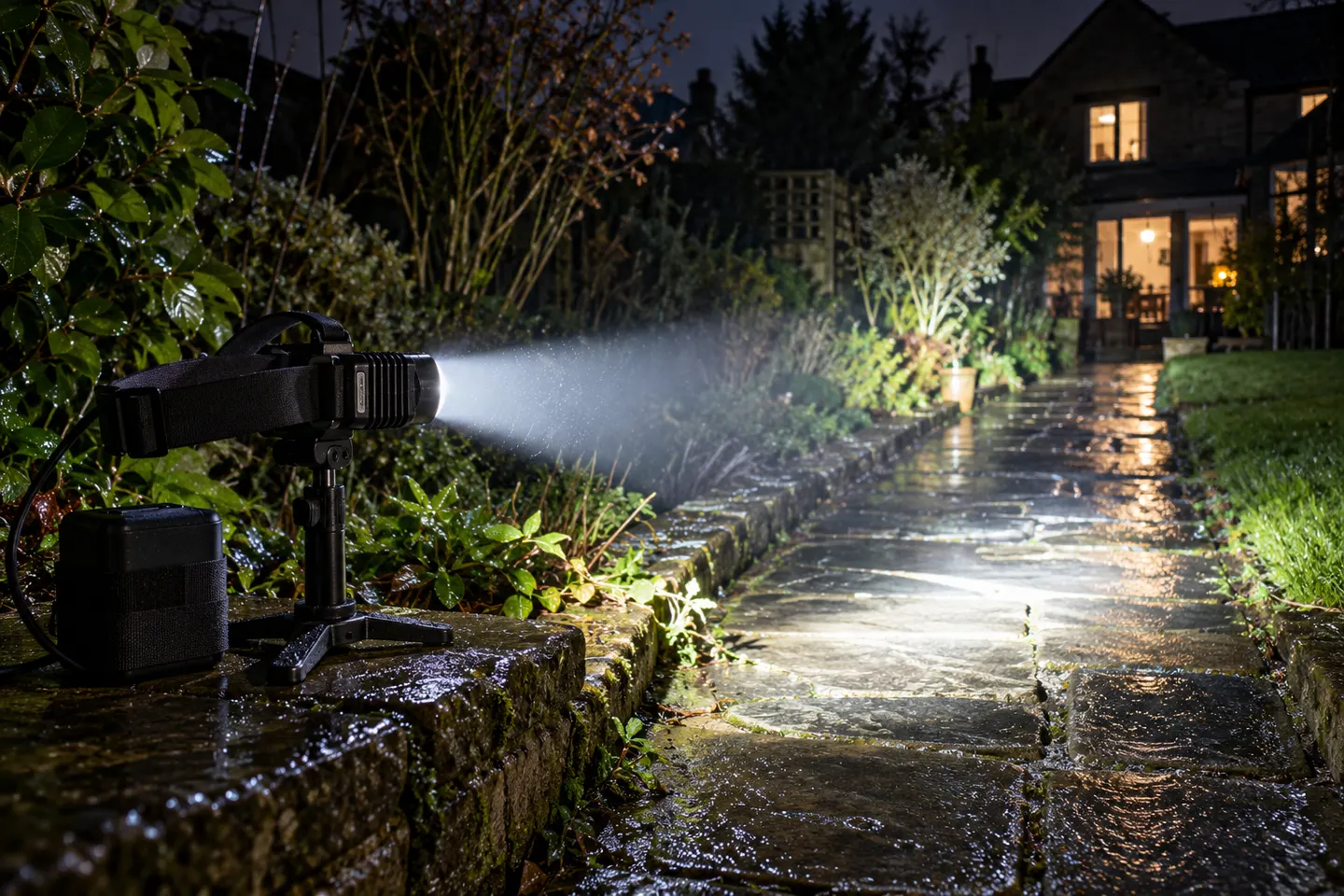
Our picks
Top picks
Official manufacturer image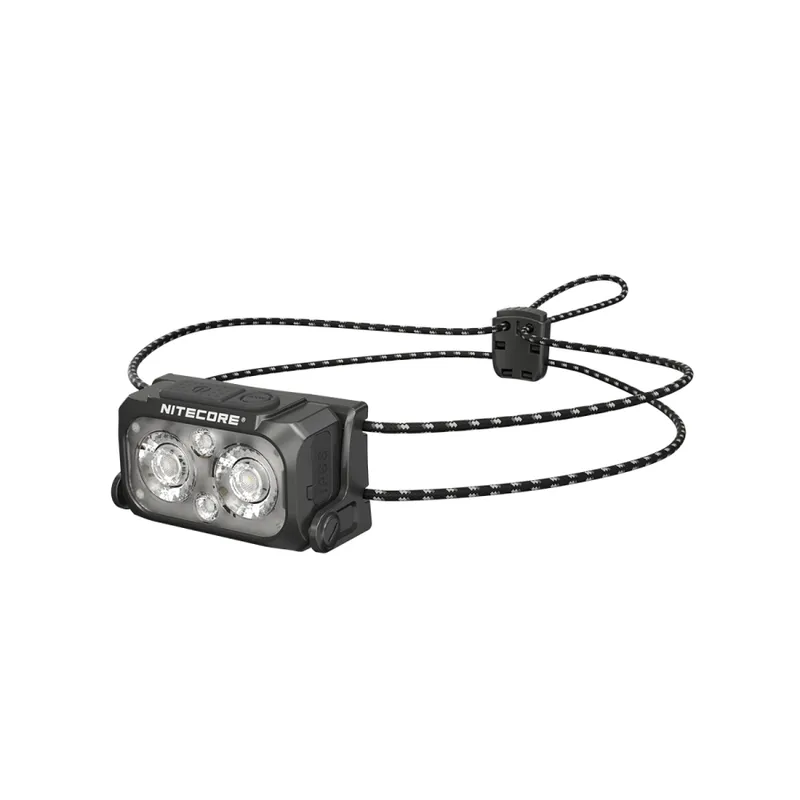 Official manufacturer image
NITECORE NU25 MCT UL
Check price on Amazon AU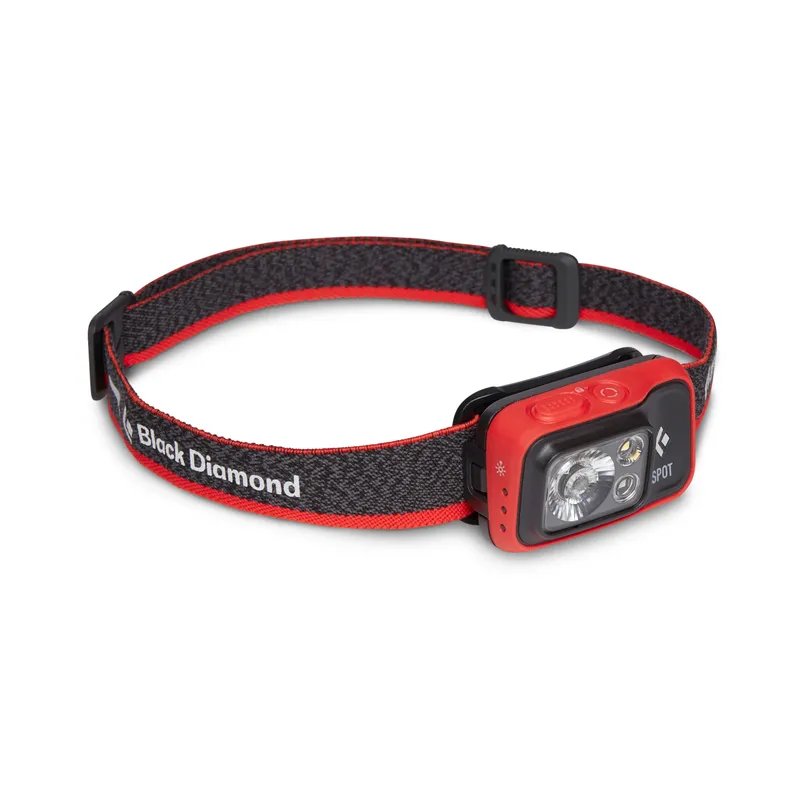 Official manufacturer image
Black Diamond Spot 400 Headlamp
Check price on Amazon AUBy feature
 1000 lumens
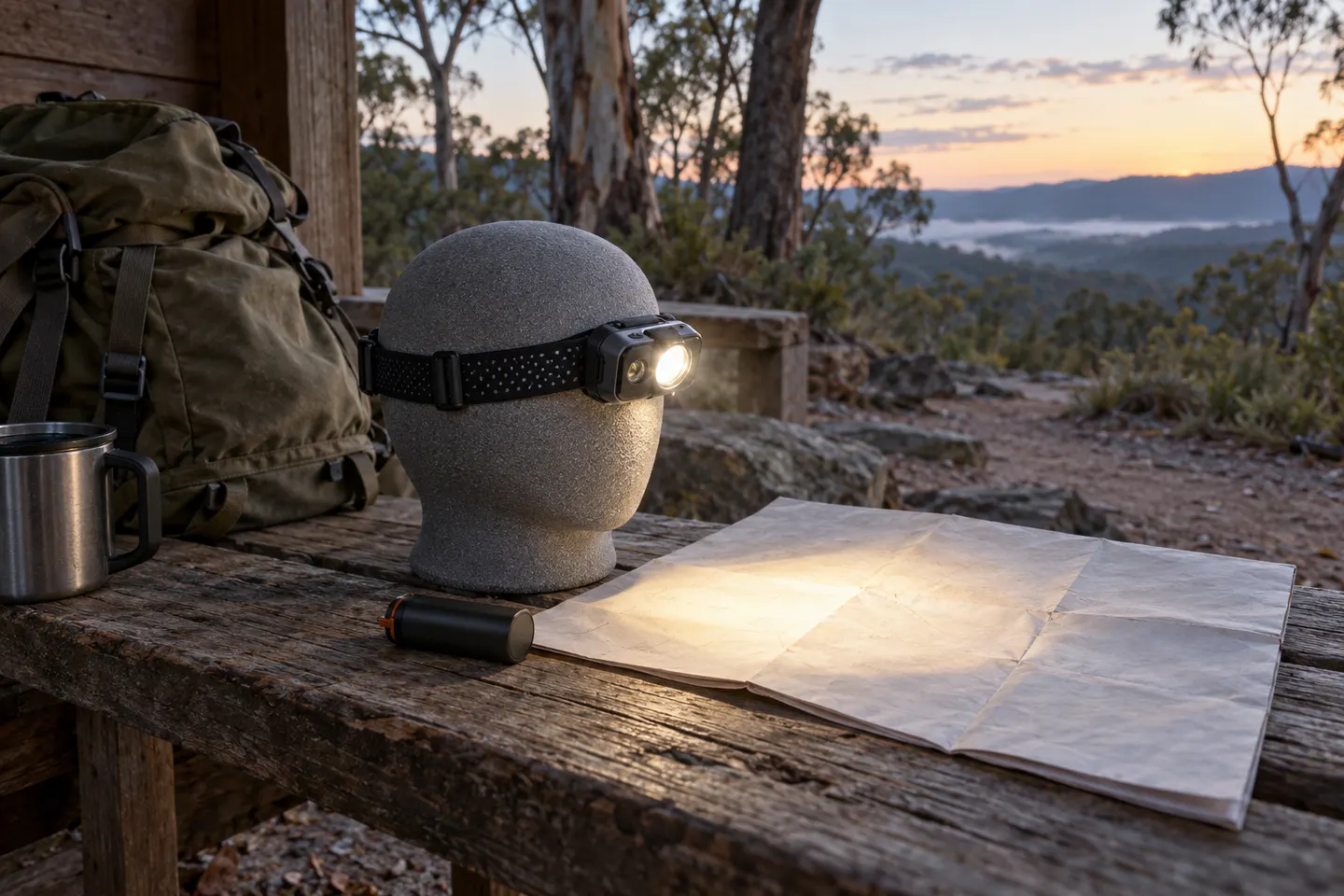 500 lumens
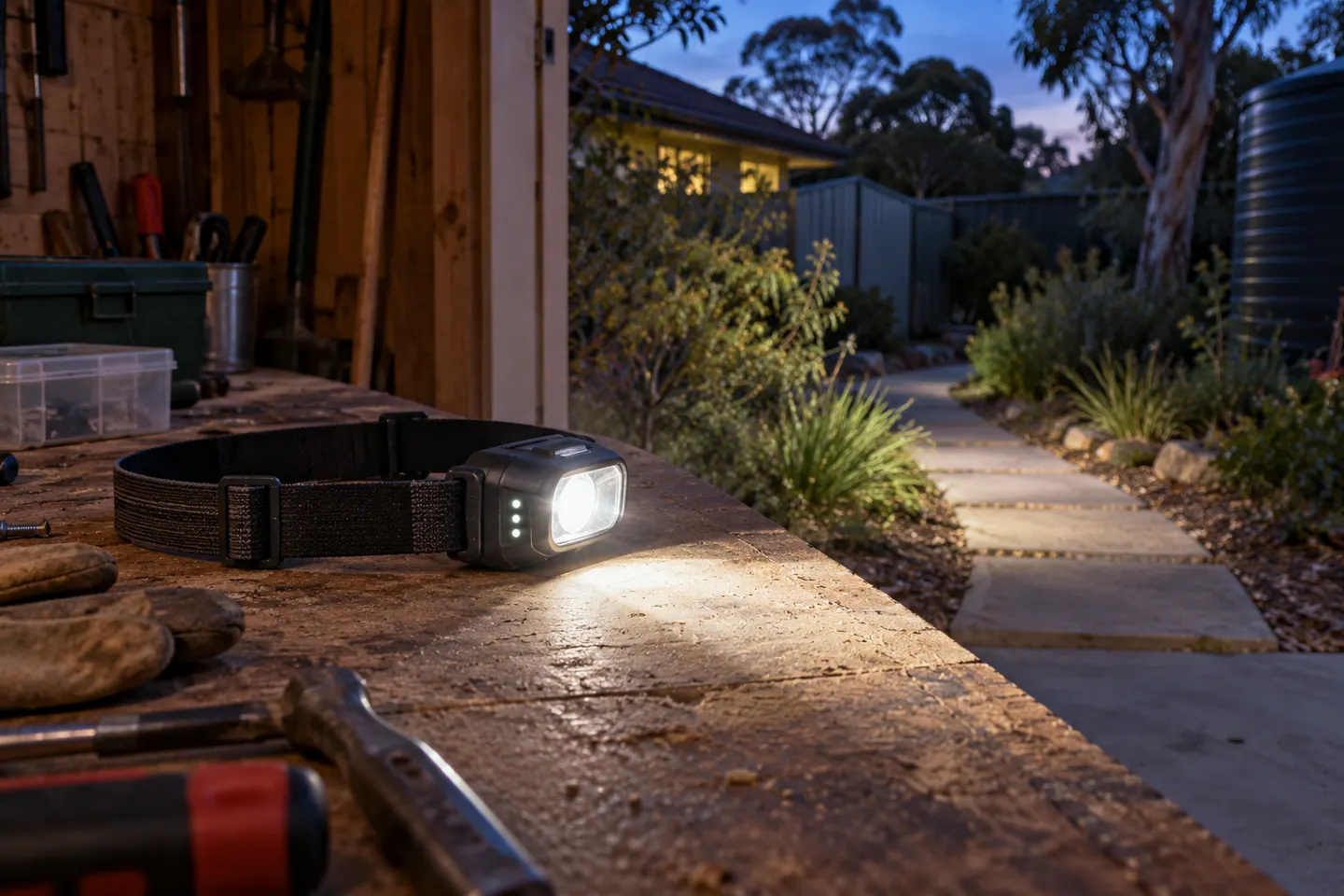 300 lumens
Common questions
Questions before you buy
Is there a verified 5000 lumen headlamp?
We found no manufacturer source establishing a specific 5000 lumen headlamp for this page. Treat that figure as unsubstantiated unless the exact model’s manufacturer publishes it with the operating mode.
What is the difference between 5000 lumens and beam distance?
Lumens describe luminous output, while beam distance describes how far the manufacturer says the beam reaches under its stated conditions. Neither alone describes the full usefulness of a beam.
Why do headlamp brands list a boost mode?
A boost mode offers a higher output for a limited or specified operating context. Check the manual and runtime table to understand how it differs from regular power modes.
Is a higher lumen rating always better?
No. A brighter maximum can use more energy and may not give the beam shape you need. Fit, light distribution and runtime at useful levels are also important.