







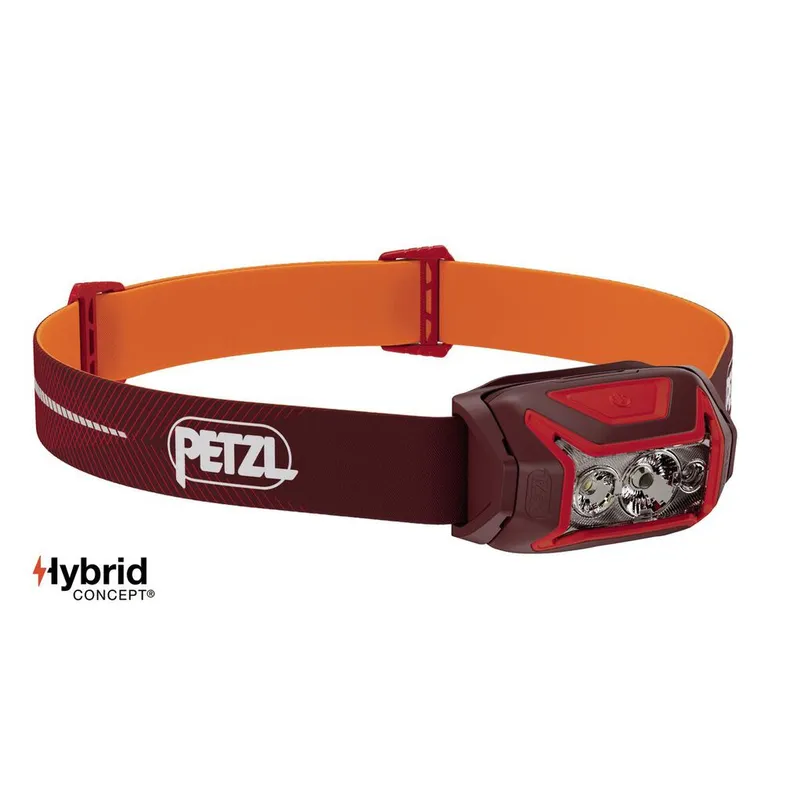
 Official manufacturer image
Our picks
Top picks
Official manufacturer image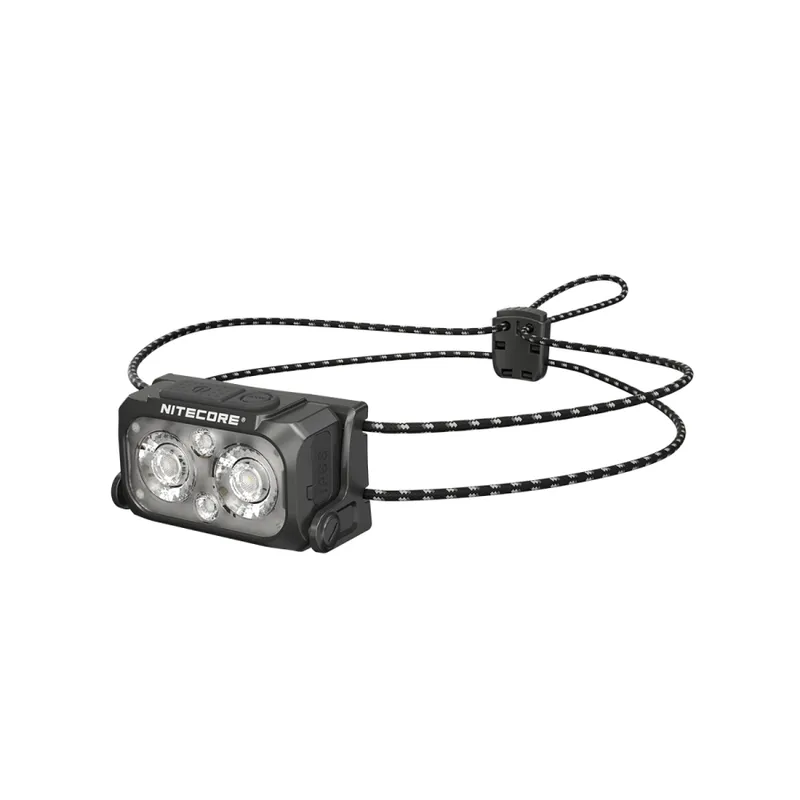 Official manufacturer image
NITECORE NU25 MCT UL
Check price on Amazon AU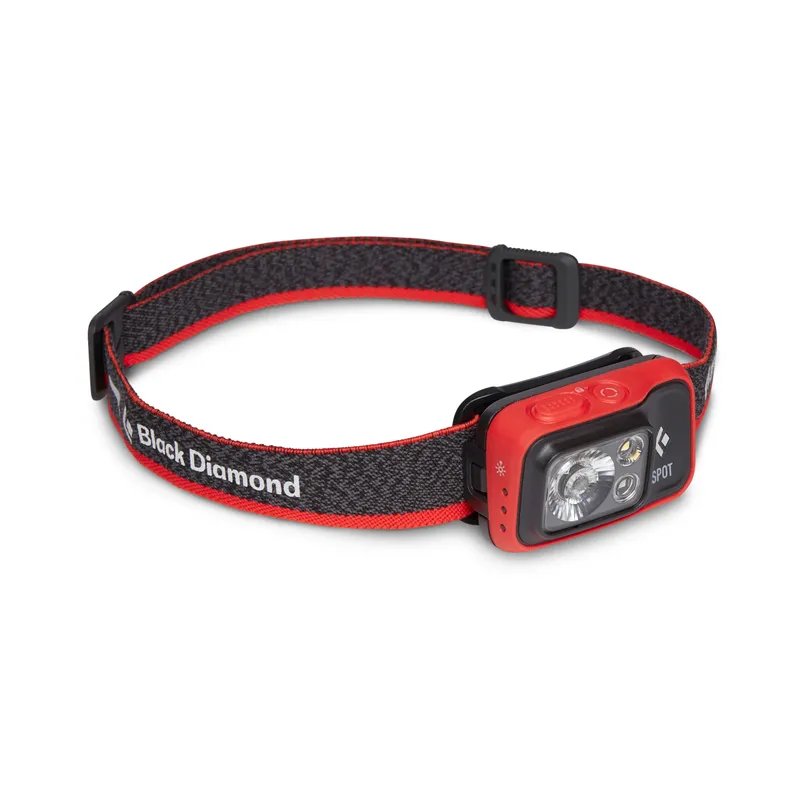 Official manufacturer image
Black Diamond Spot 400 Headlamp
Check price on Amazon AUBy feature
 Beam bright
Common questions
Questions before you buy
What is the brightest head torch available?
Models and maximum-output claims change, and peak figures are not directly comparable without their test conditions. Check current manufacturer specifications and compare beam distance and runtime as well.
Is a higher-lumen head torch always better?
No. High output can drain a battery faster and may create glare in close work. A useful beam shape, lower modes and sustainable runtime often matter more.
How many lumens do I need for night walking?
The right setting depends on terrain, speed and ambient light. Compare manufacturer beam distance and available modes, then select enough light to see the route comfortably.
What does ‘very bright’ mean for a head torch?
It is not a standard specification. Use measurable details—lumens, beam distance, runtime, beam pattern and operating mode—to compare products.