








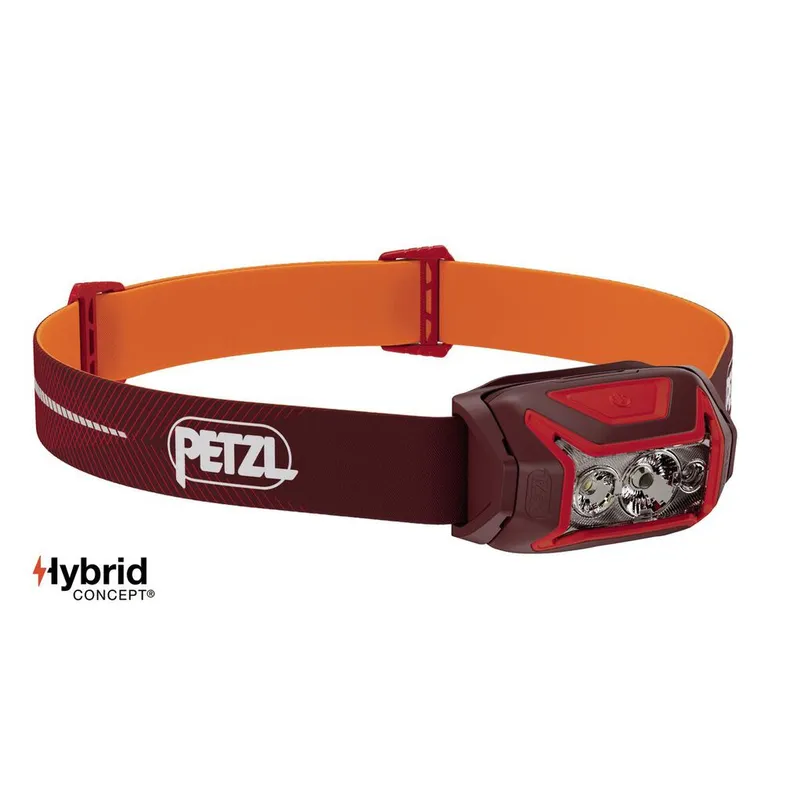
 Official manufacturer image
Our picks
Top picks
Official manufacturer image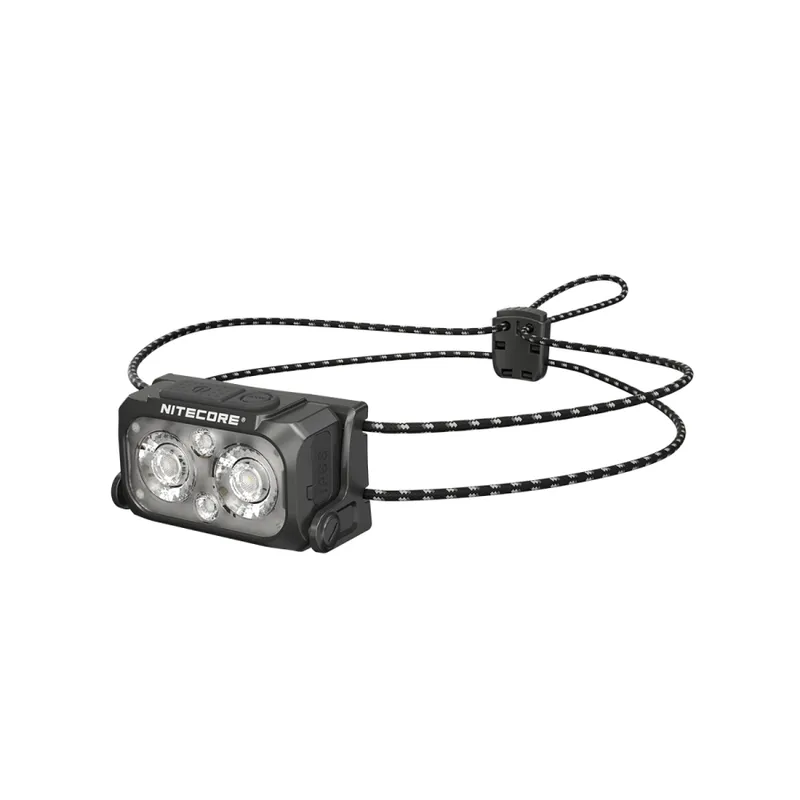 Official manufacturer image
NITECORE NU25 MCT UL
Check price on Amazon AU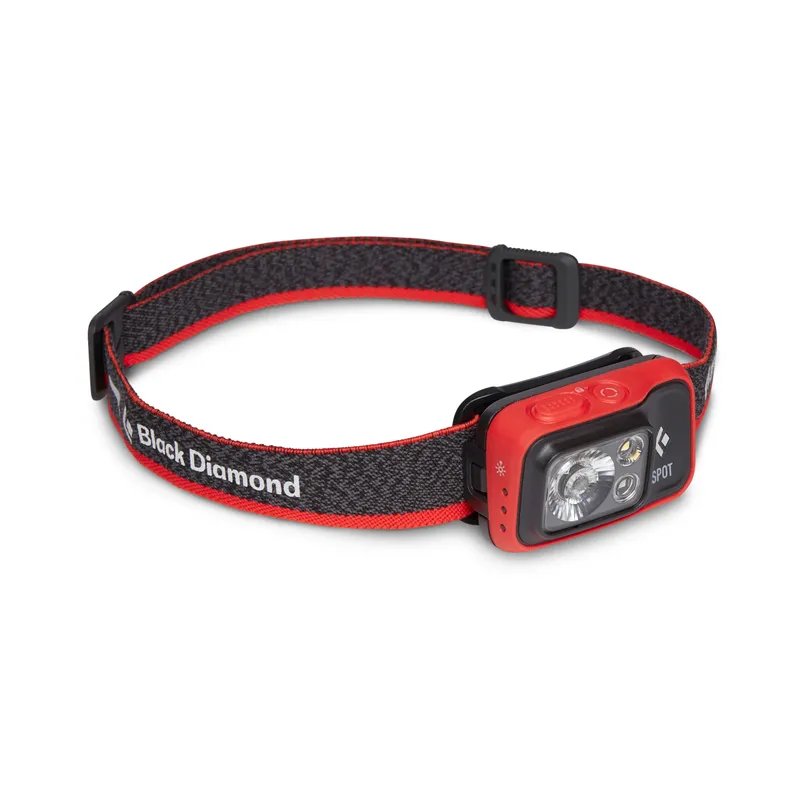 Official manufacturer image
Black Diamond Spot 400 Headlamp
Check price on Amazon AUMore topics
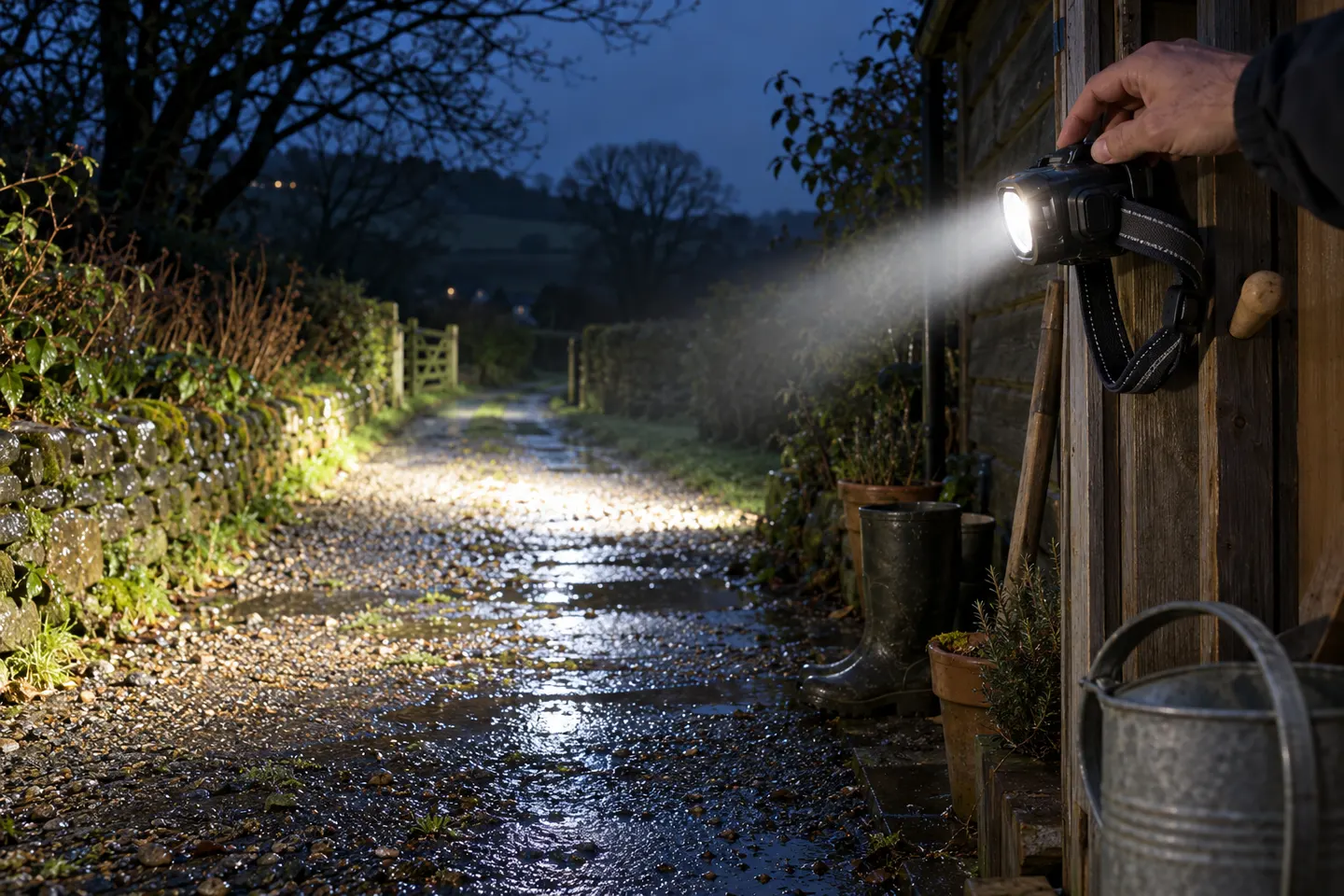 The Most Powerful Headlamp
Common questions
Questions before you buy
What makes a head torch powerful?
Brands commonly describe maximum light output in lumens, but useful power also depends on the beam pattern, distance and how long each setting runs. Compare the complete mode table.
Is the brightest headlamp always the best choice?
No. The brightest setting may have limited runtime, and a focused beam may not light nearby work evenly. Match output, beam shape and weight to your use.
What does boost mode mean on a head torch?
Boost is a manufacturer-defined high-output mode, often distinct from the lamp’s regular settings. Check the product manual for its operating conditions and any time or thermal limits.
How can I compare powerful LED head torches fairly?
Use manufacturer data for the exact model and compare output, beam distance, runtime on a comparable setting, weight and battery. Avoid treating seller headline numbers as directly comparable.