







 Official manufacturer image
Our picks
Top picks
Official manufacturer image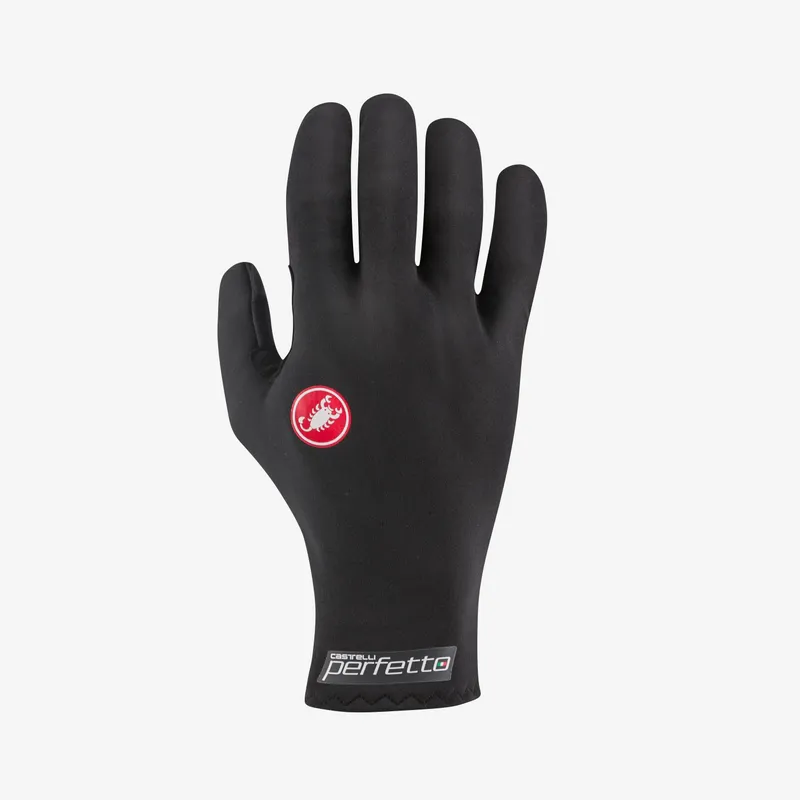 Official manufacturer image
Castelli PERFETTO RoS GLOVE
Check price on Amazon AU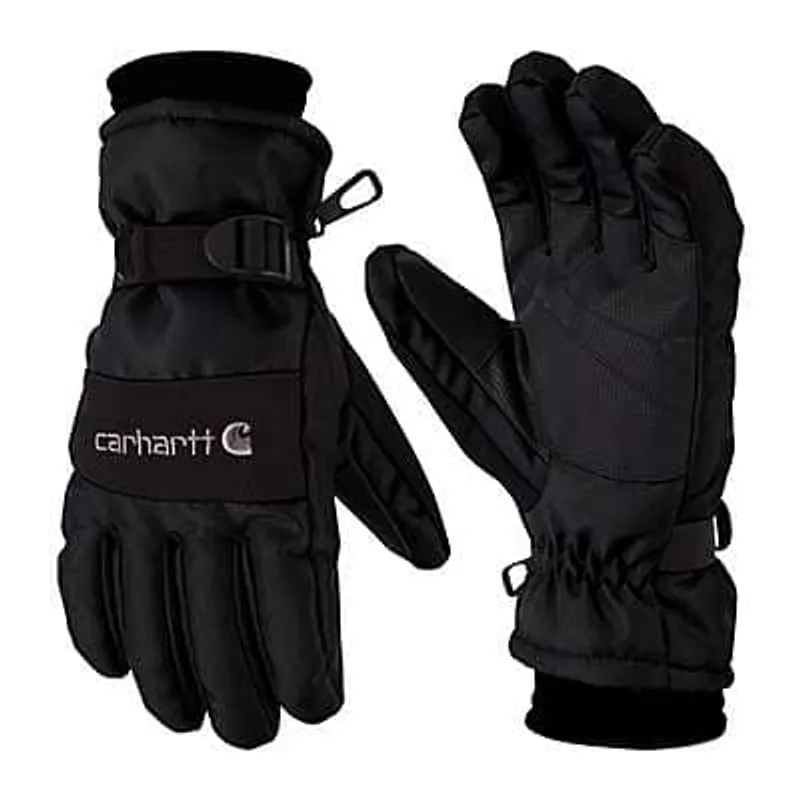 Official manufacturer image
Carhartt Waterproof Insulated Glove
Check price on Amazon AUCommon questions
Questions before you buy
Are fingerless gloves better for typing?
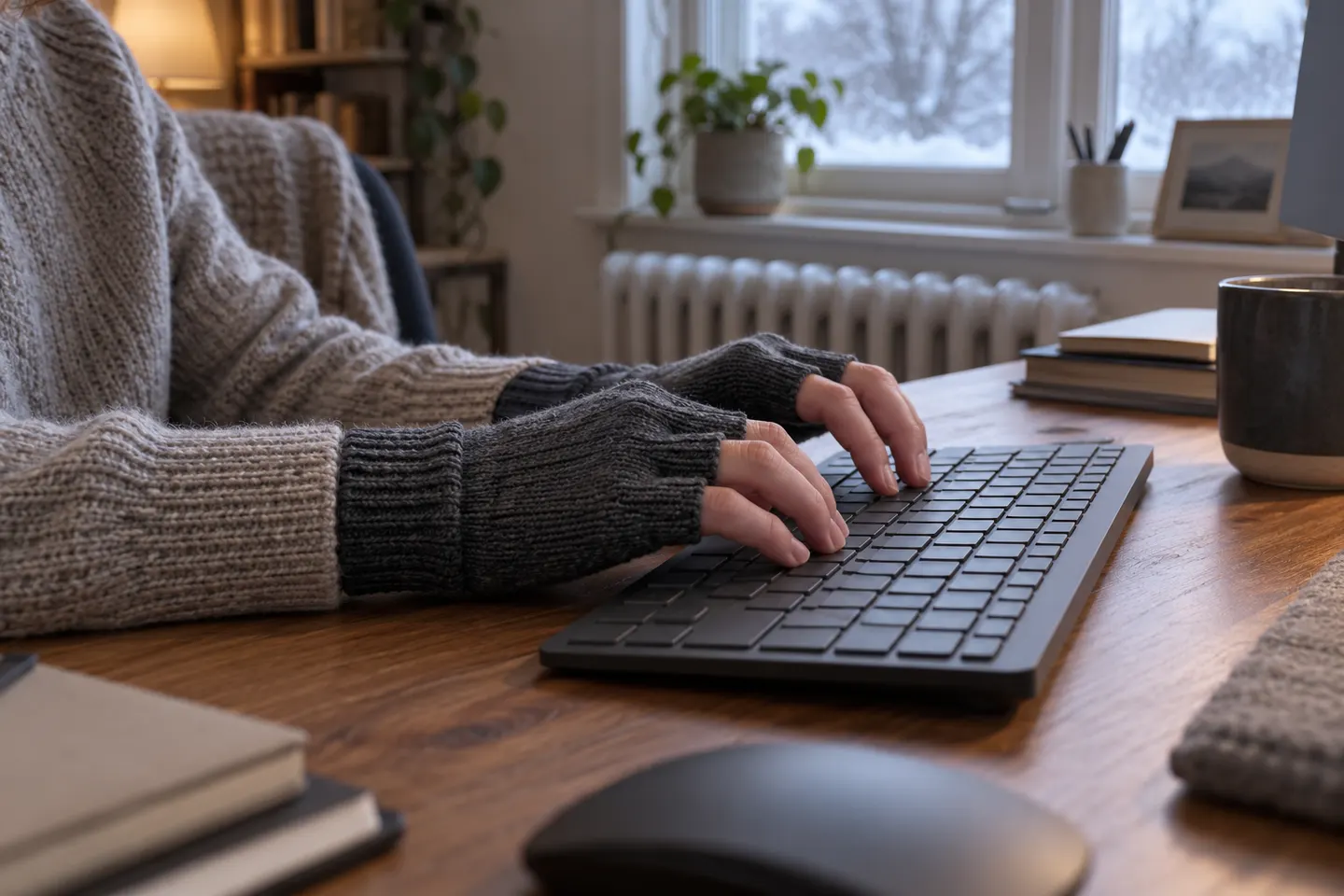
They keep fingertips uncovered, which can preserve key feel and precision. The trade-off is that fingertips receive no insulation.
Can you type while wearing full-finger gloves?
Yes, but thicker gloves may reduce tactile feedback. A thin, close-fitting liner is generally easier to move in than a bulky insulated glove.
Do touchscreen gloves work on a computer keyboard?
Touchscreen fingertips are intended to interact with compatible touch displays. They do not make the glove more precise on physical keys; fit and thickness matter more for typing.
What is the difference between typing gloves and wrist warmers?
Typing gloves cover some or all of the hand while leaving enough finger movement for keys. Wrist warmers mainly cover the wrist and lower hand, so they provide less coverage across the palm.