
Independent buying guidance · UK editionHow we work
Gearjury
All categories
All categories
Best picksBest WiFi Extenders in the UK: Compare Five Practical Options
Best picksThe Best Dashcams in the UK for 2026
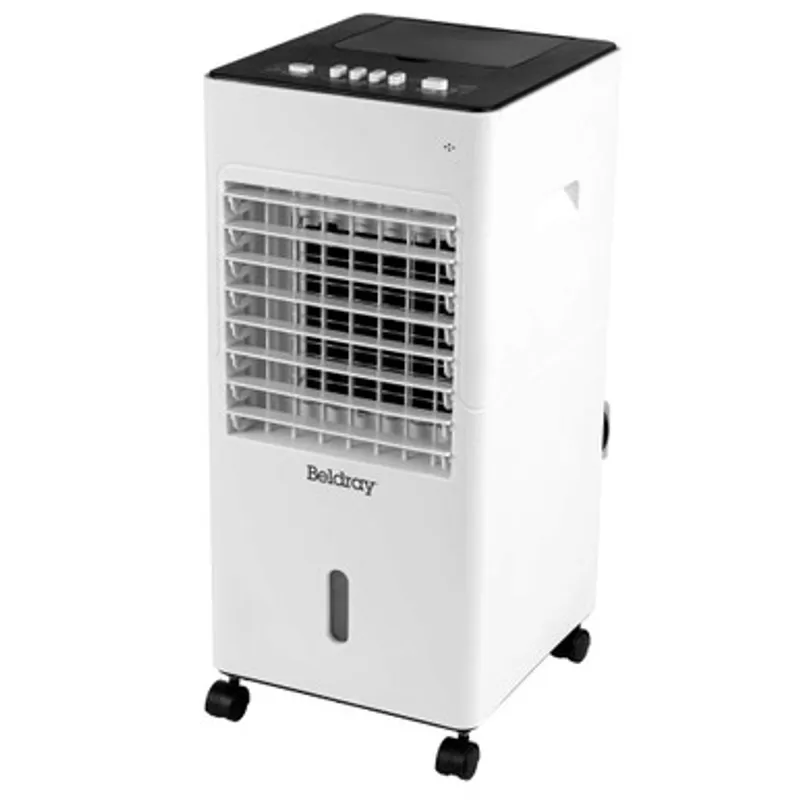
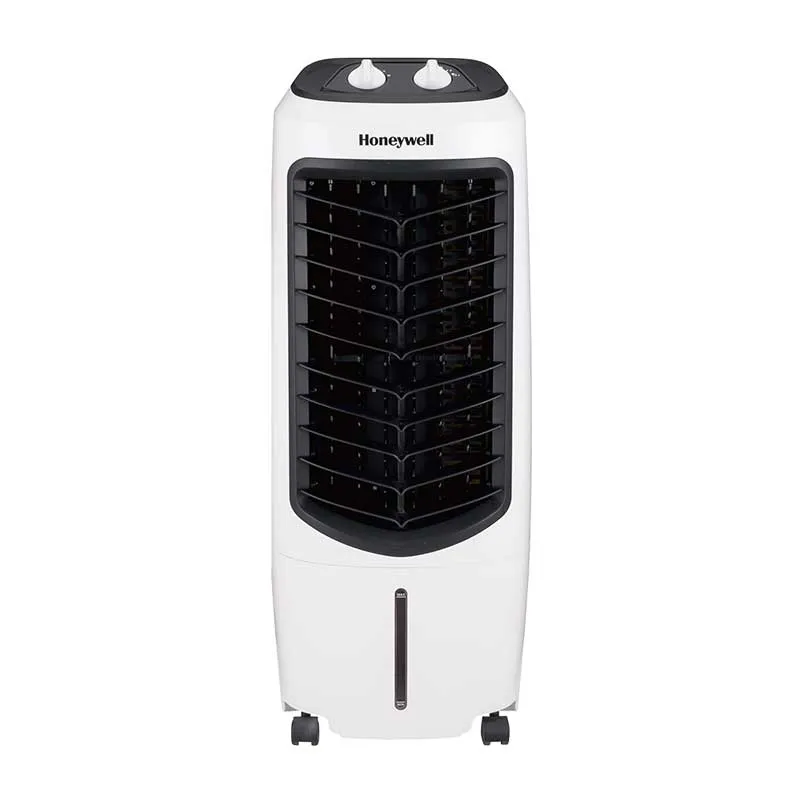
Best picksBest Portable Air Coolers: Five Models to Compare for 2026
Best picksBest Meat Thermometers in the UK for 2026
Best picksBest Headlamp Torches in the UK: Five Choices for 2026
Best picksBest Winter Gloves in the UK: Five Activity-Based Choices for 2026
Best picksBest Radar Detectors in the UK: Models Compared for 2026
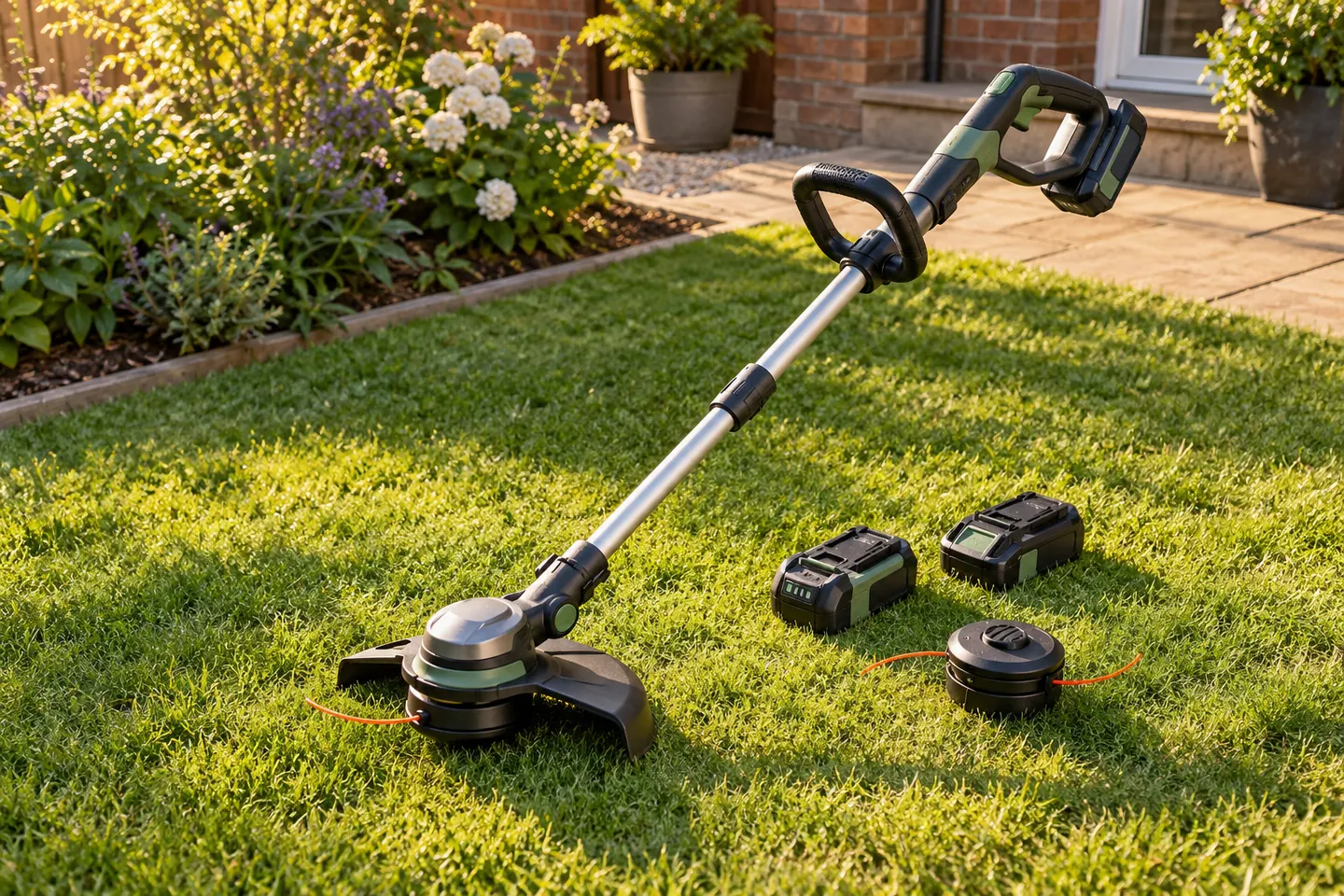
Best picksBest Value Cordless Strimmers in the UK (2026)
Best picksBest Air Purifiers in the UK for Different Rooms and Needs
United KingdomEnglish

Category hub

Dry Air Cooler: Cooling and Room Humidity Explained

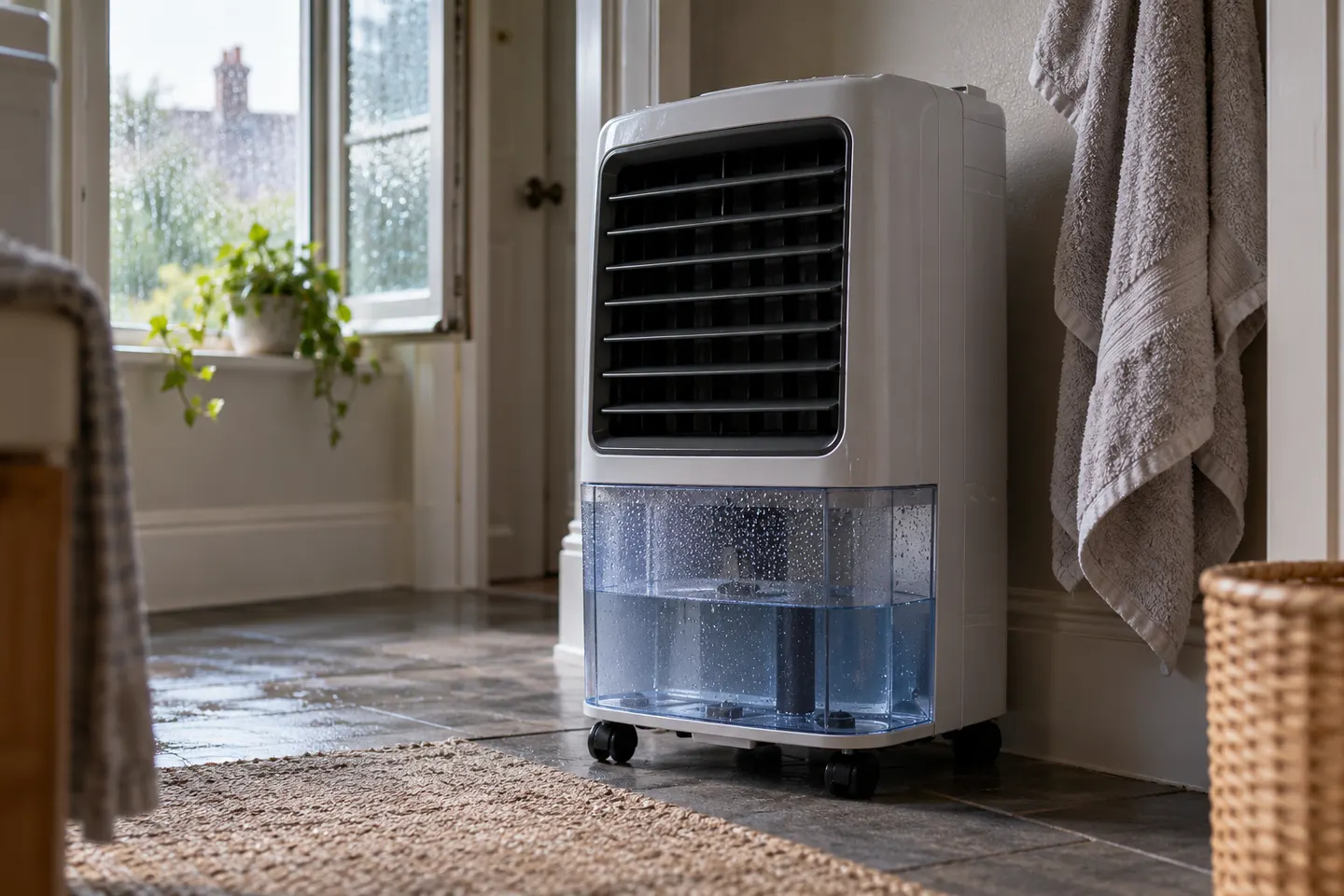
Evaporative coolers use water and add moisture to passing air. If keeping a room dry is the priority, compare a dehumidifier or air conditioner.

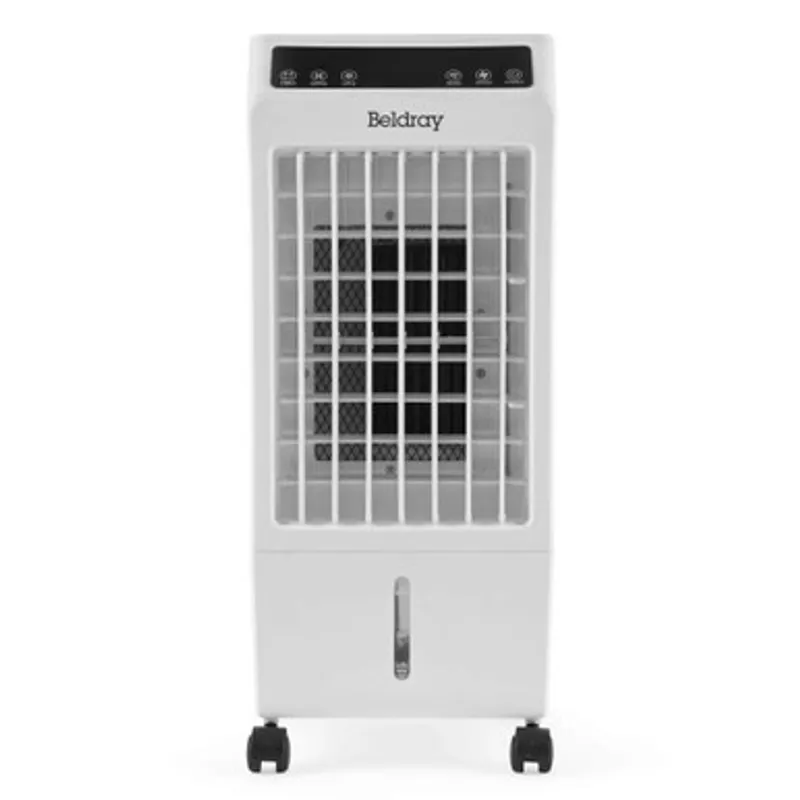
The phrase dry air cooler is ambiguous. If you want cooling without making a room damp, distinguish it from an evaporative cooler: that appliance uses water and releases moisture as air passes through wet media. Suitability depends on starting humidity and ventilation.

Dry Air Cooler: Cooling and Room Humidity Explained

Common questions

Questions before you buy

Does an air cooler make the air dry?

An evaporative cooler generally adds moisture as water evaporates. It is not a dehumidifier.

What appliance suits a humid room?

A portable air conditioner can cool and remove moisture if installed and drained as instructed. A dehumidifier focuses on moisture reduction.

What does dry mode mean on an air conditioner?

Some units use dry mode as a dehumidifying setting. Its operation varies, so consult the exact model's manual.

Can evaporative cooling work in a dry climate?

It is generally better suited to drier air, though performance depends on humidity, airflow, room conditions and model guidance.