








 Official manufacturer image
Our picks
Top picks
Official manufacturer image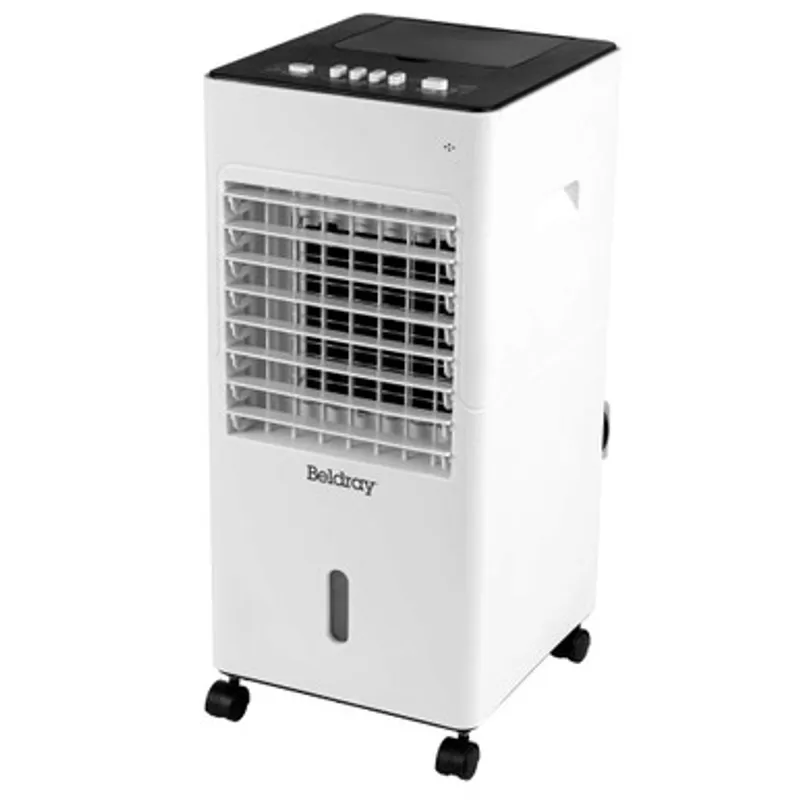 Official manufacturer image
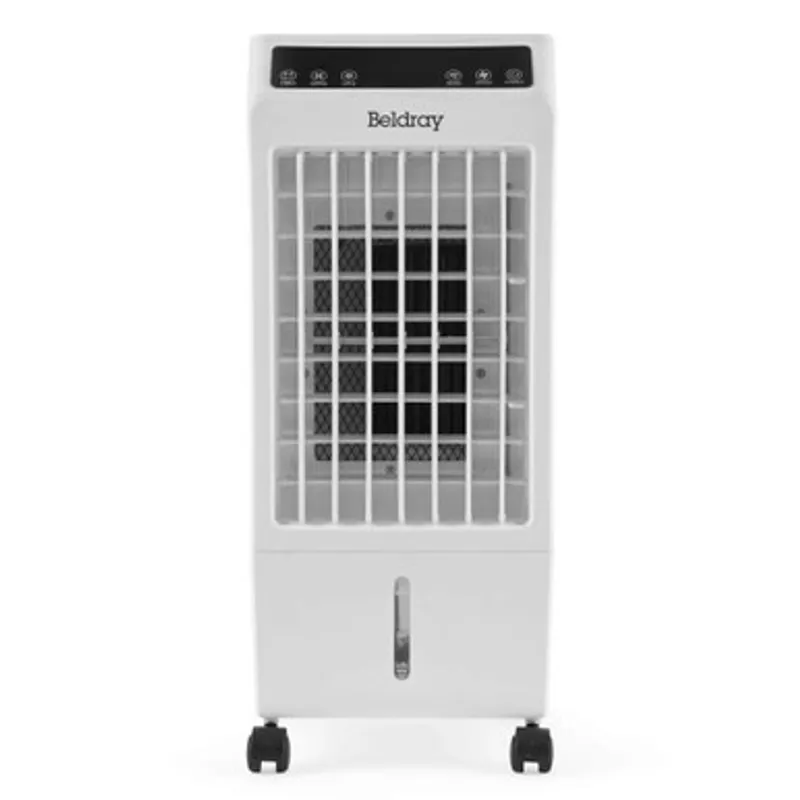
Beldray 6 Litre Air Cooler with Ioniser Function
Check price on Amazon UK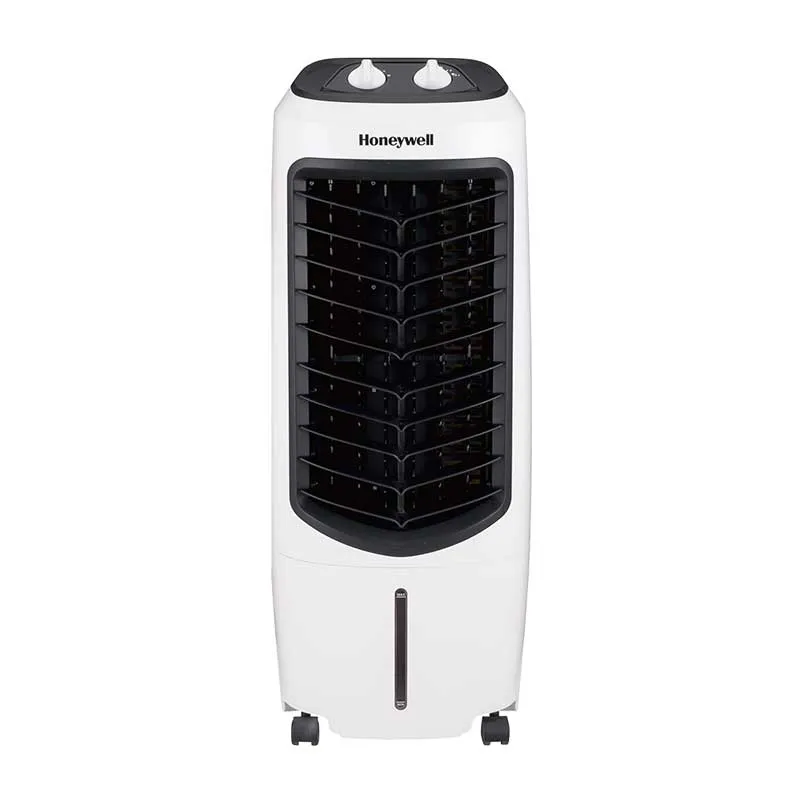 Official manufacturer image
Honeywell TC10PM
Check price on Amazon UKMore topics
 Air Conditioner v Air Cooler
Common questions
Questions before you buy
Is an air cooler better than a fan?
It depends on the room and your preference. A fan circulates air without adding water vapour; an evaporative cooler can make the breeze feel cooler while increasing humidity.
Does an air cooler use more electricity than a fan?
Power varies by model. Compare each product’s stated wattage and remember an evaporative cooler may also use a water pump.
Can a fan cool a room?
A fan creates airflow that can help you feel cooler, but it does not actively lower the room’s air temperature.
Is an evaporative cooler useful in humid weather?
Evaporation is less effective when the air already contains substantial moisture. Ventilation and local climate affect comfort.