Gearjury may earn a commission when you buy through a retailer link. Rankings are based on cited evidence.
Best picks
Best 4K Dash Cams in the UK for 2026
VIOFO A329 is our first choice for high-frame-rate front recording. Choose VIOFO A229 Pro for a strong rear channel, Garmin X310 for compact simplicity or Thinkware U3000 for parking features.
GGearjury editorial team · Updated 15 October 2026· 7 min
Quick answer
The VIOFO A329 is the best 4K dash cam UK buyers should shortlist when smooth 4K front footage and fast local transfer matter. The A229 Pro 2CH gives better specified rear detail, the Garmin X310 suits a compact single-camera setup, and the Thinkware U3000 focuses on parked-car monitoring.
It is worthwhile when you need more recorded detail and can support the larger files. Sensor quality, exposure and motion handling still matter, so resolution alone should not decide the purchase.
Is 4K at 60 fps better than 4K at 30 fps?
A higher frame rate can render fast movement more smoothly, but may disable HDR or use more storage. Compare the actual recording modes rather than assuming every feature works simultaneously.
Do I need 4K on the rear camera too?
Not necessarily. A well-positioned 2K or 1080p rear camera can still document an incident, while higher rear resolution increases storage use.
How much storage does a 4K dash cam need?
Capacity depends on bitrate, frame rate, channel count and loop length. Use only card types and maximum capacities approved by the camera manufacturer.
Can a 4K dash cam record when parked?
Yes, if the model supports parking recording and receives suitable power. Follow the manufacturer’s hardwire, battery-protection and configuration requirements.
The Nextbase 622GW is our balanced UK pick for its detailed recording, stabilisation and accessible touchscreen. Garmin Mini 3 suits a discreet fit, while VIOFO A329S covers the front and rear at high resolution.
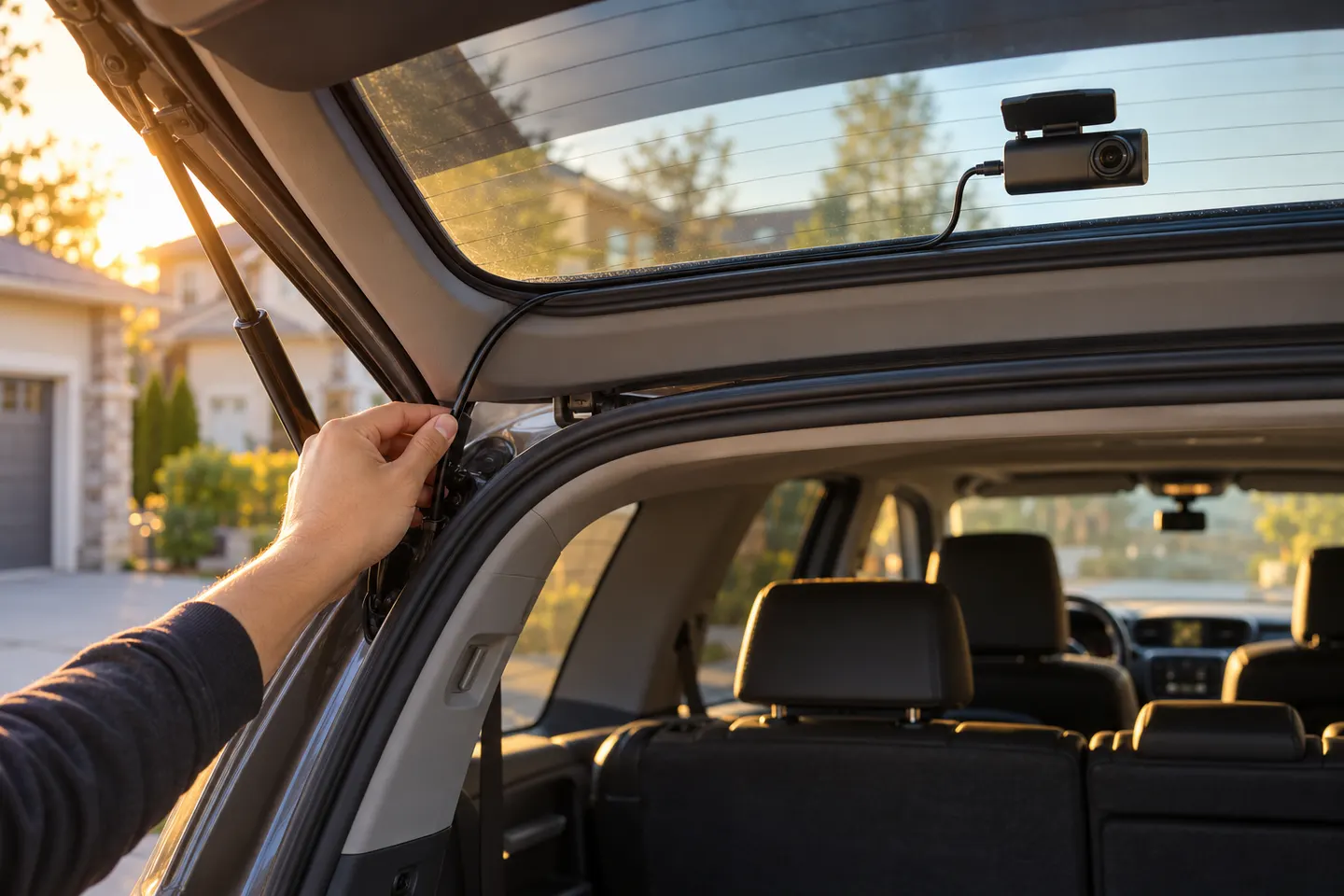
A dual-camera kit is the direct choice when you want the road ahead and traffic behind in the same recording system. Check rear resolution and cable length, not just the headline front-camera specification.
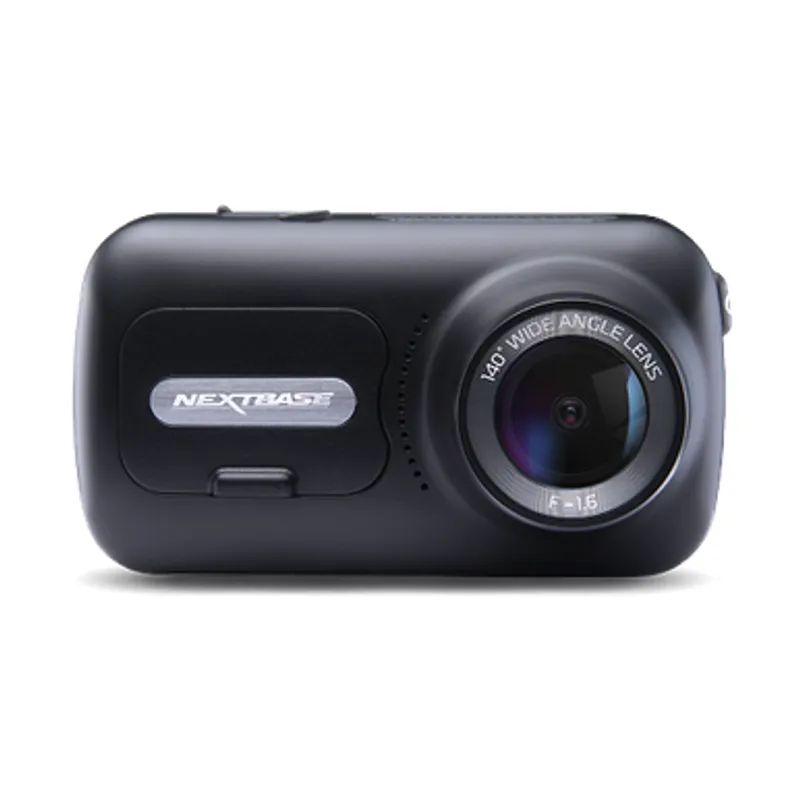
The 622GW has the strongest recording specification in this trio; the 522GW keeps the large touchscreen and polarising filter at 2K, while the 322GW covers the essentials.
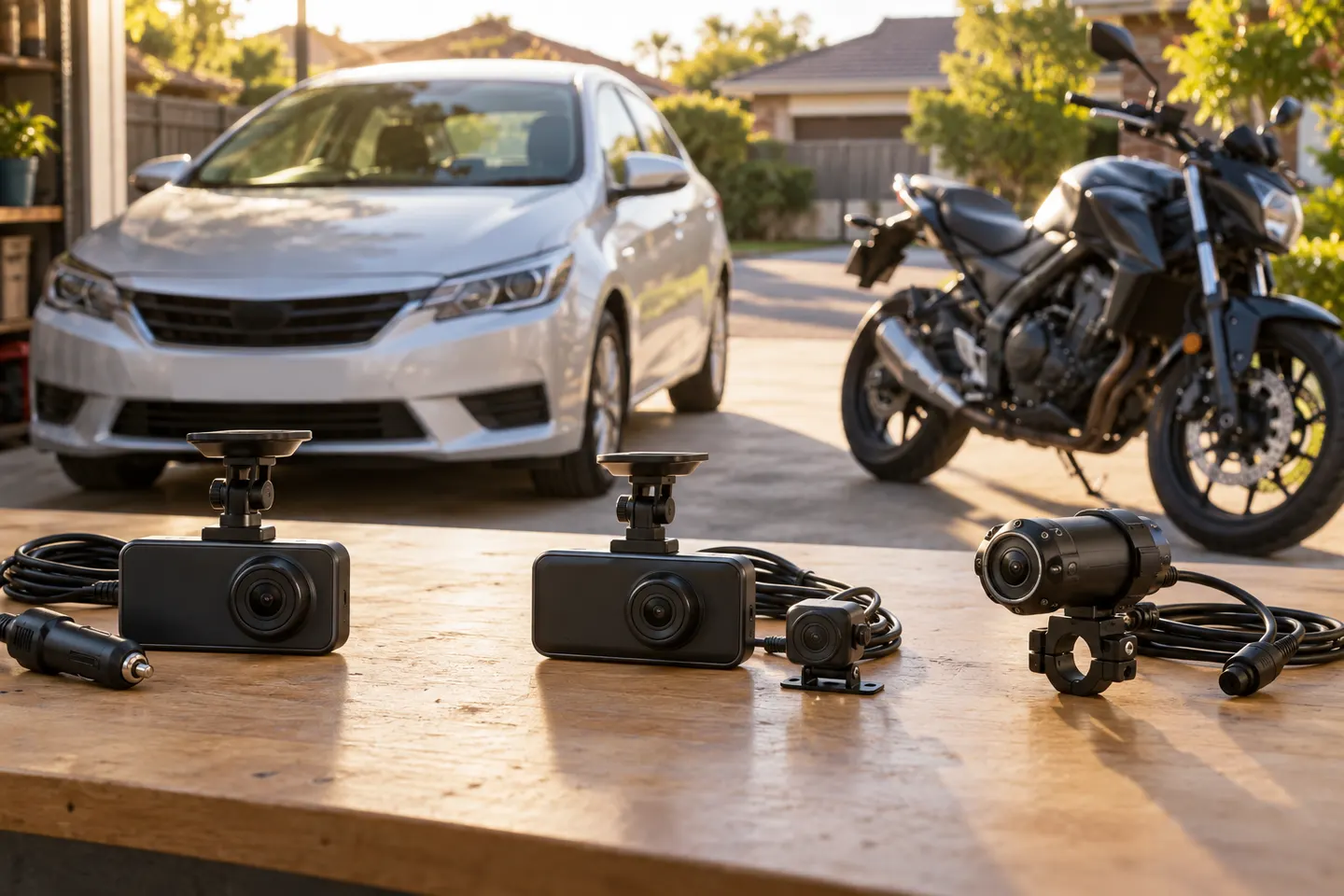
Start with the coverage you need: a discreet front camera for the road ahead, or a front-and-rear system for evidence from both directions. Our guides then narrow the choice by installation, connectivity and brand.
Your privacy
We use cookies and similar technologies. Necessary ones keep the site working. With your permission we also use statistics cookies (Google Analytics and Microsoft Clarity) to understand which guides help readers. You can accept all, reject all or choose. You can change your choice at any time from "Cookie settings" at the bottom of every page. Cookie policy








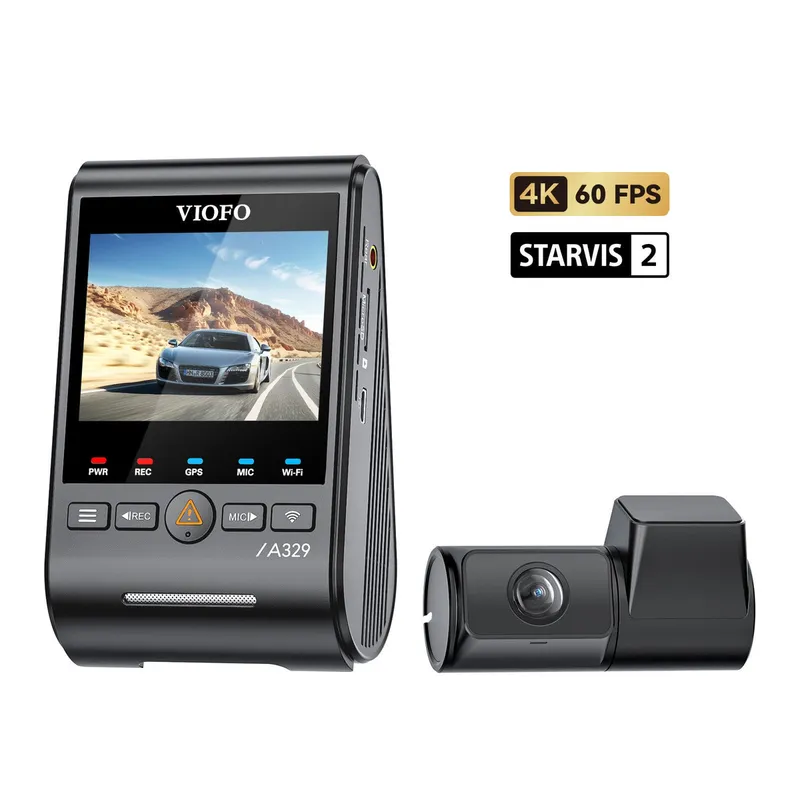 Official manufacturer image
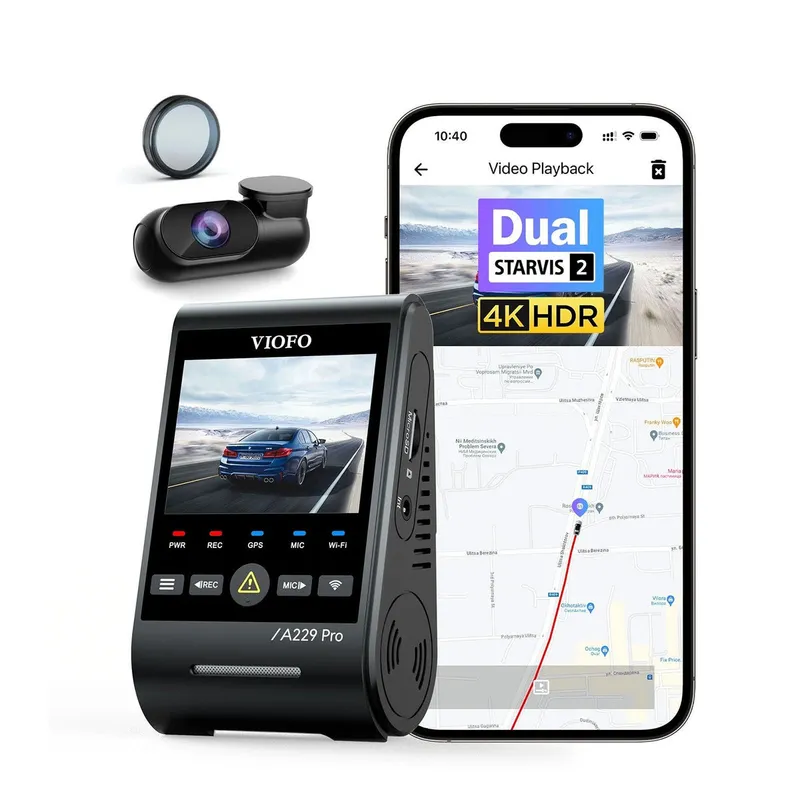 Official manufacturer image
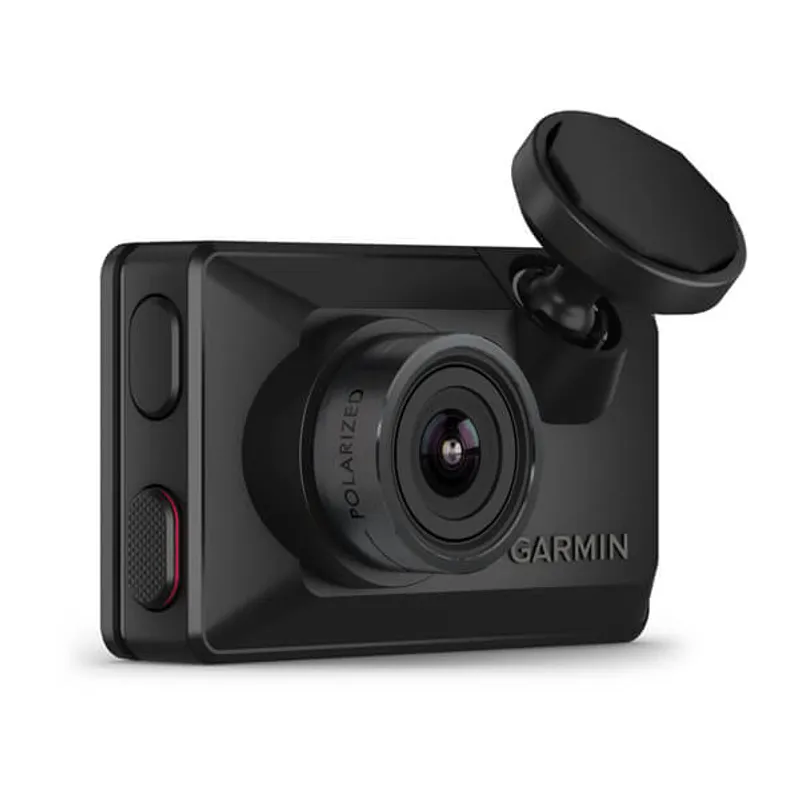 Official manufacturer image
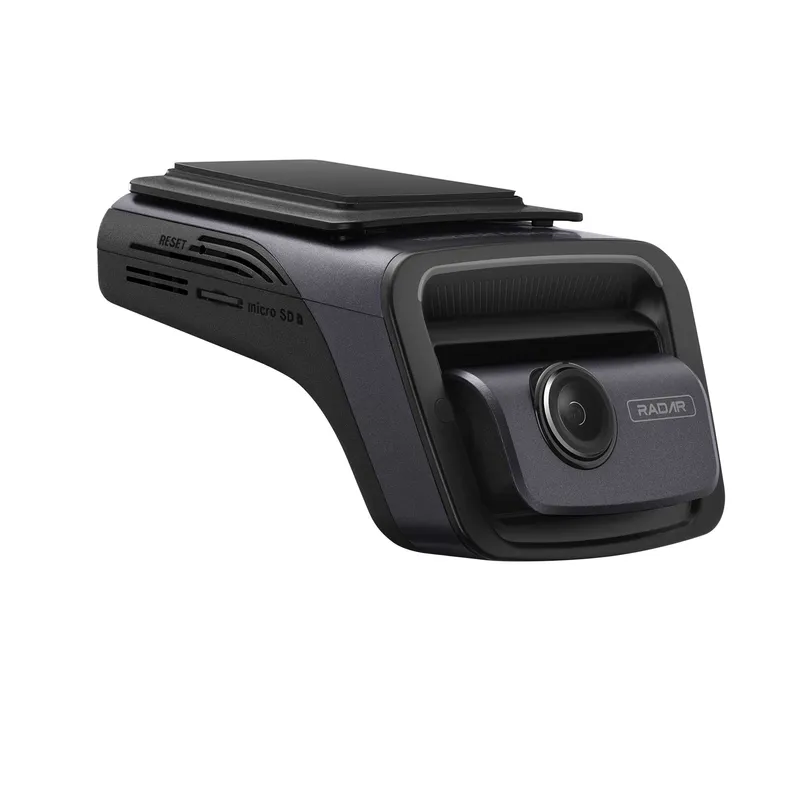 Official manufacturer image
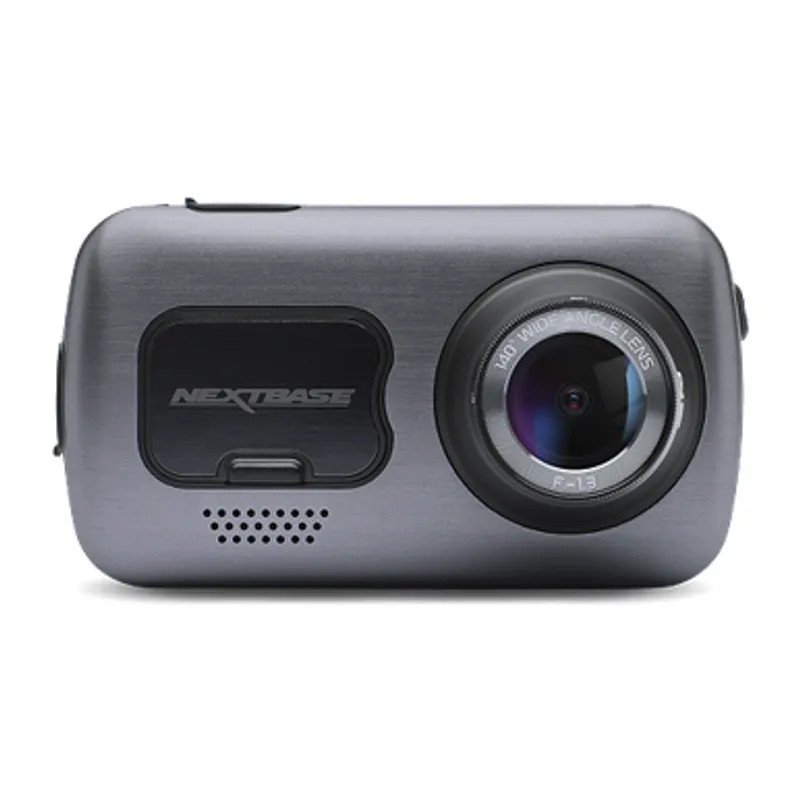 Official manufacturer image