








 Official manufacturer image
Our picks
Top picks
Official manufacturer image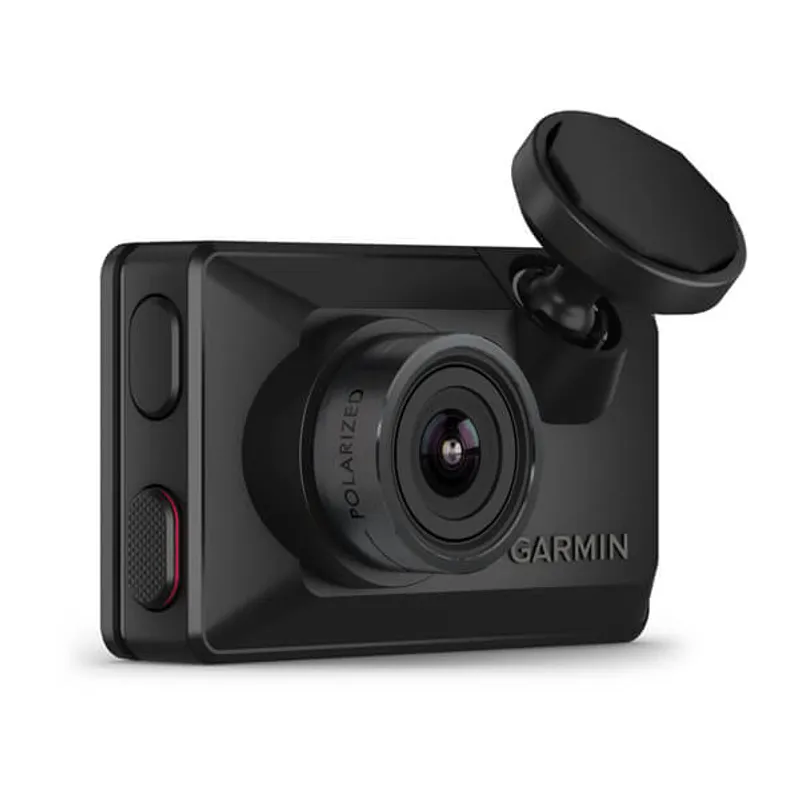 Official manufacturer image
Garmin Dash Cam X310
Check price on Amazon UK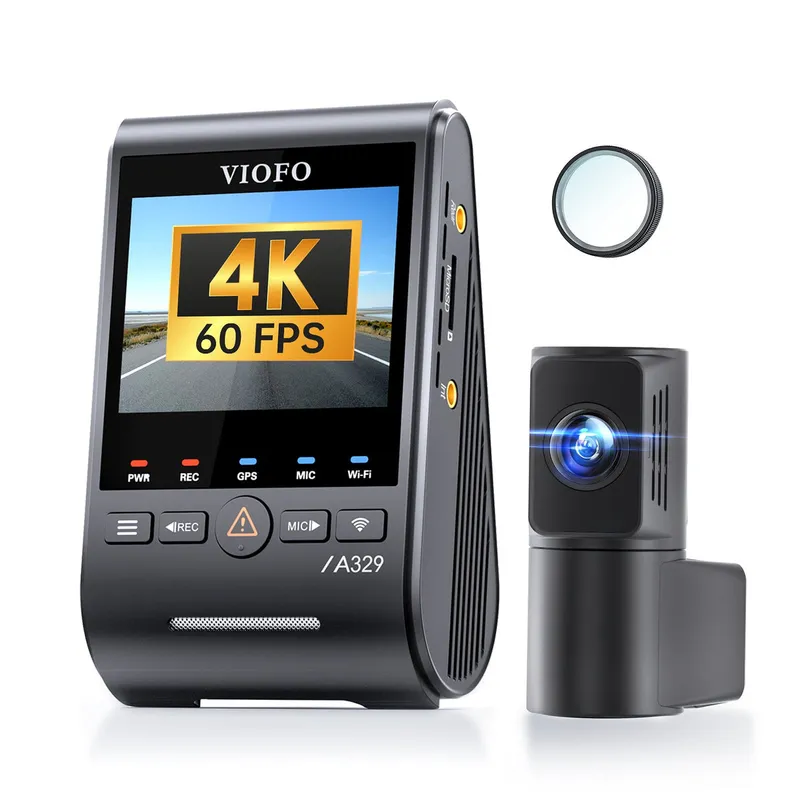 Official manufacturer image
VIOFO A329S 2CH
Check price on Amazon UKBy feature
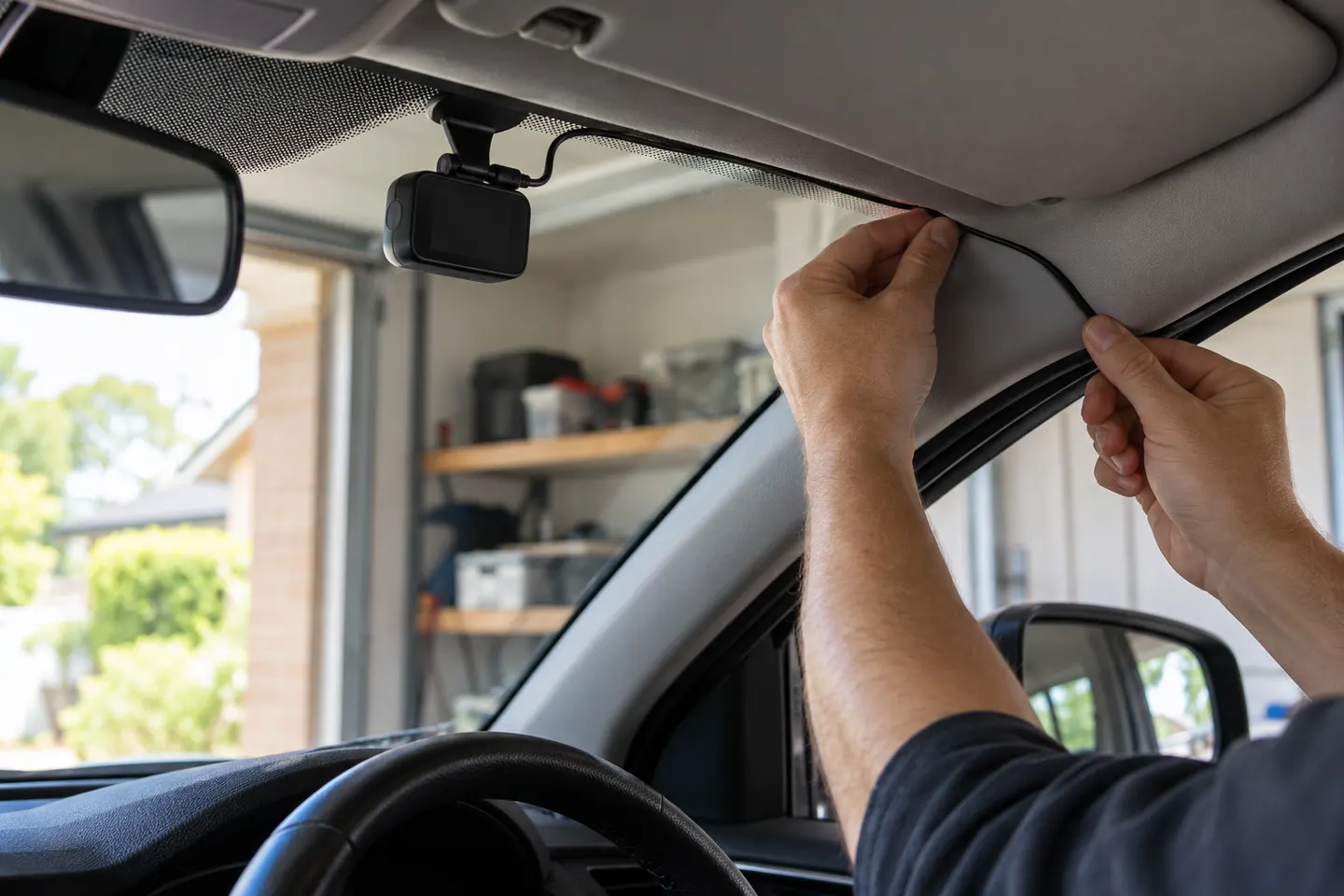 Battery power
Installation and accessories
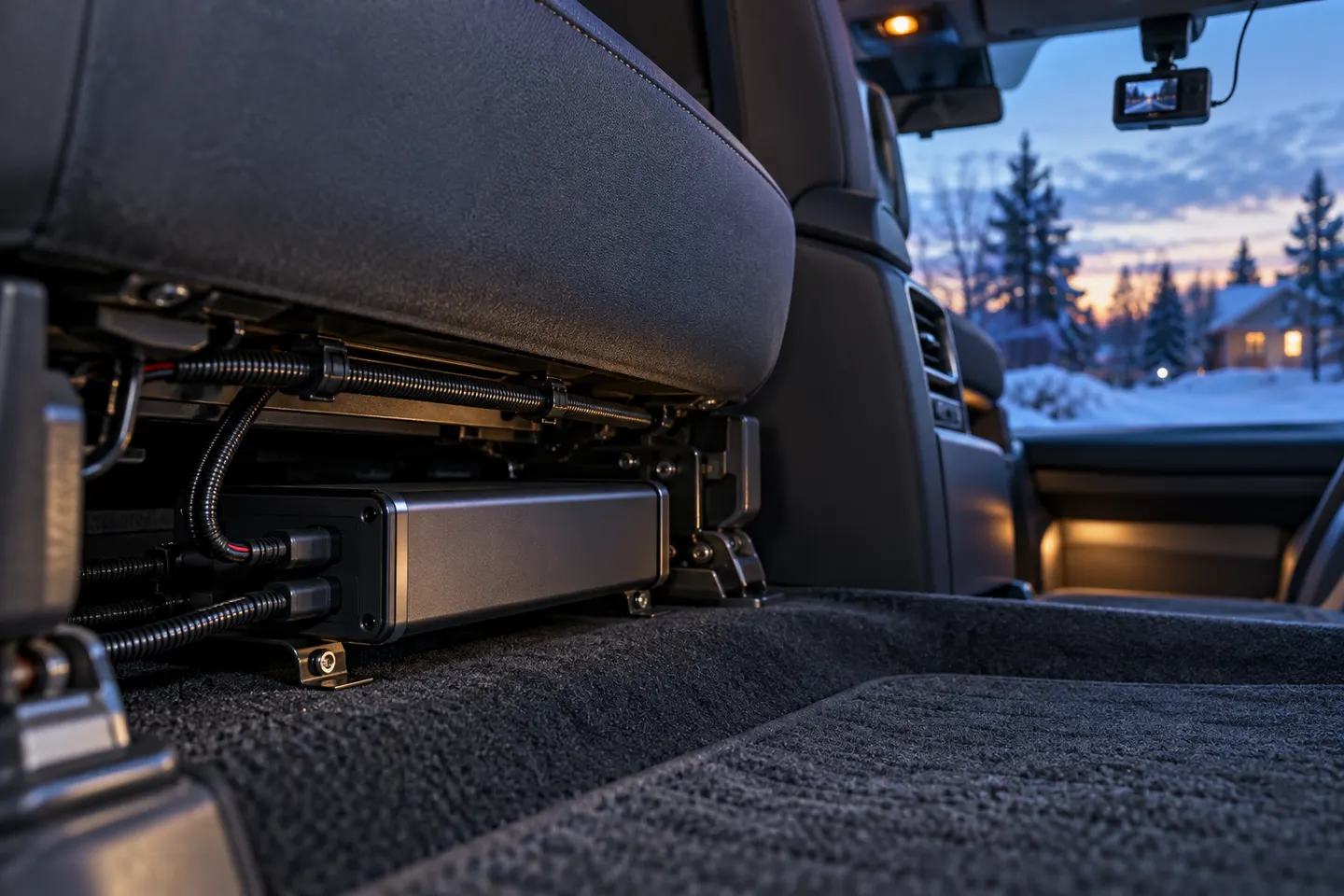 Power bank
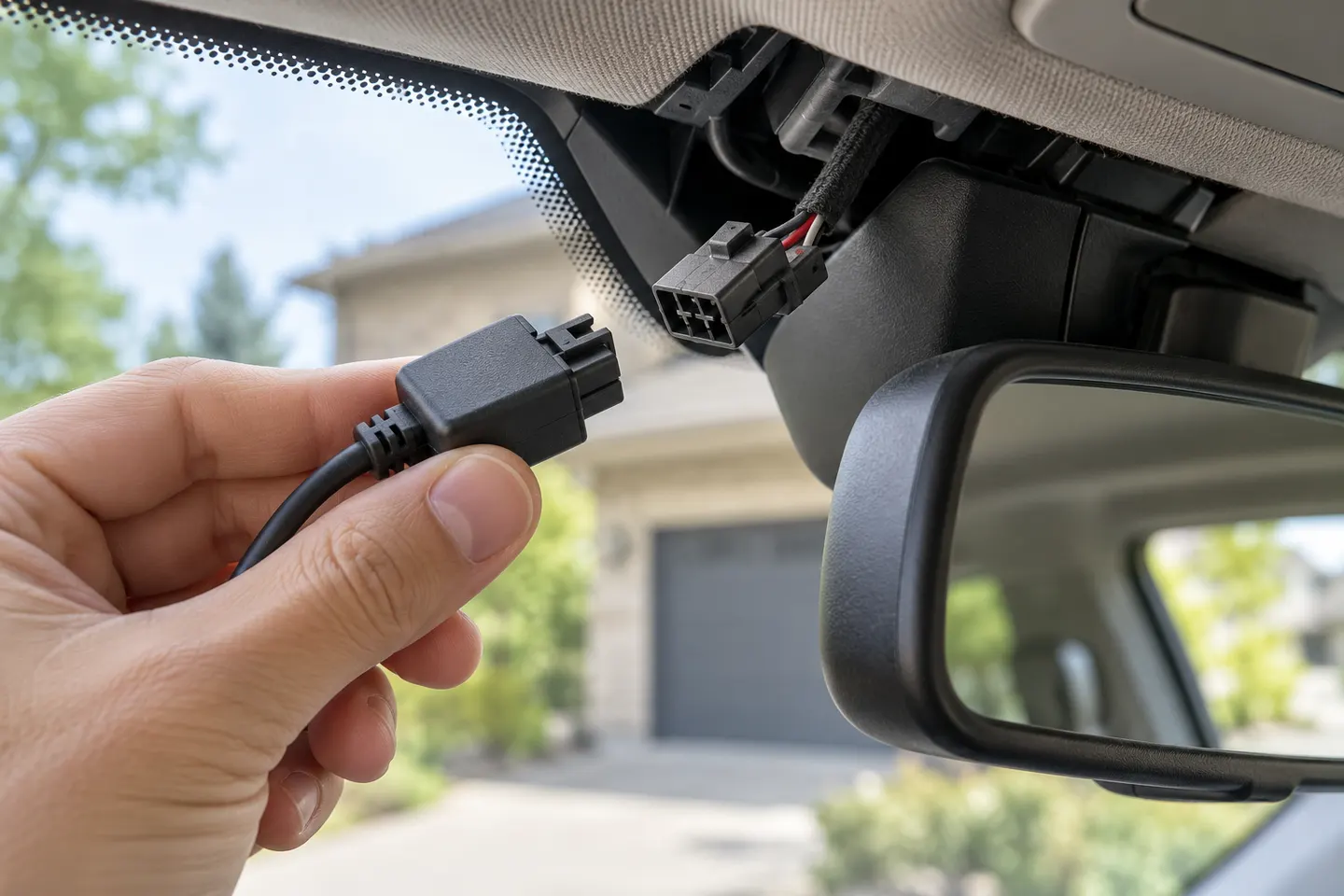 Dongar power adapter
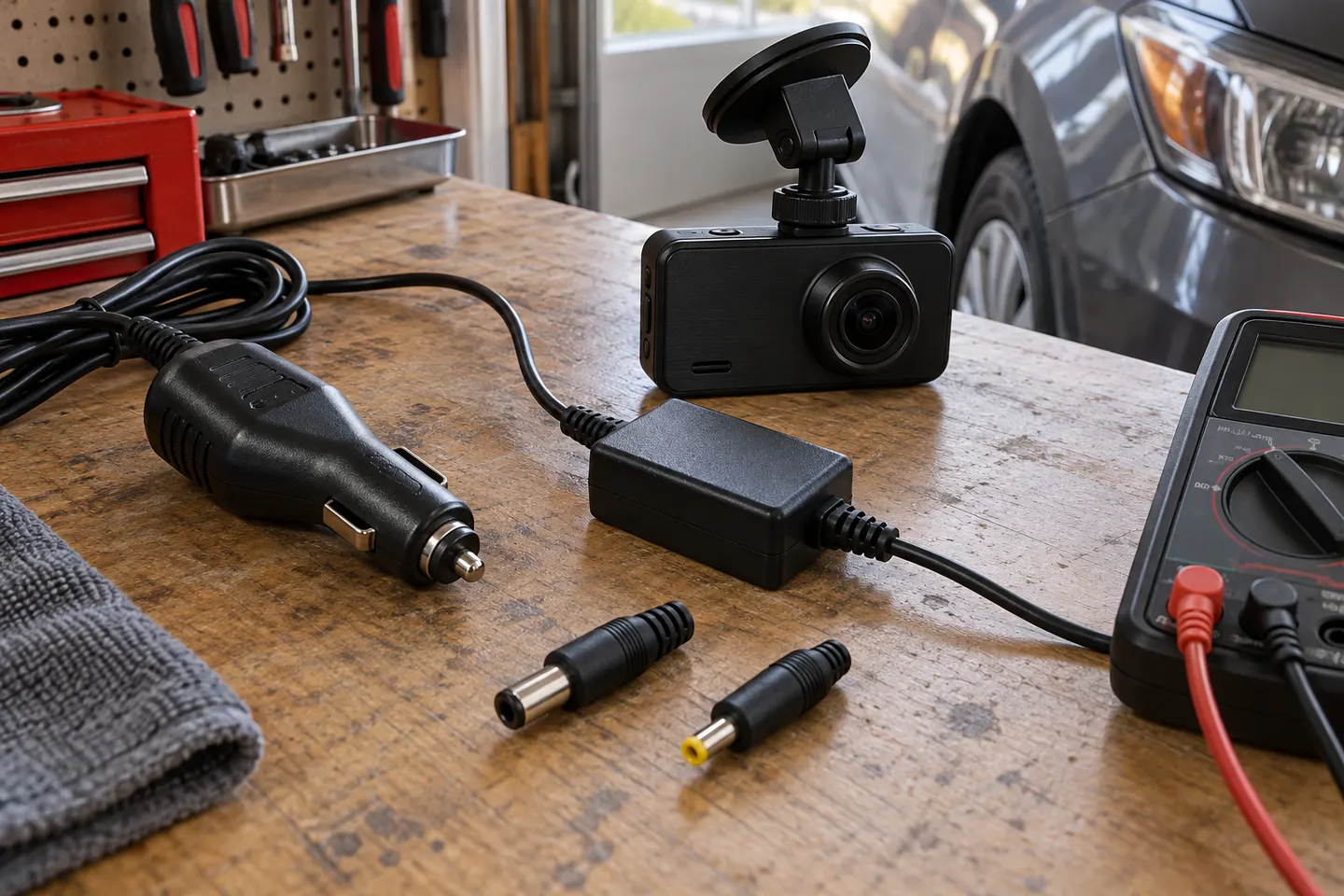 Power adapter
More topics
Common questions
Questions before you buy
What components does a solar-powered dash cam need?
Typically a suitable panel, charge controller, compatible storage battery, protected wiring and a regulated output matching the camera.
How large should the solar panel be?
There is no universal size. It depends on camera consumption, usable daylight, panel position, storage losses and required operating time.
Can I connect a solar panel directly to a dash cam?
Do not assume so. Variable panel voltage can be unsuitable; use equipment specifically designed to regulate and protect the camera supply.
Should a solar dash cam use the starter battery?
A poorly designed system can discharge it. Use proper isolation and low-voltage protection, with professional advice for permanent wiring.