
Independent buying guidance · UK editionHow we work
Gearjury
All categories
All categories
Best picksBest WiFi Extenders in the UK: Compare Five Practical Options
Best picksThe Best Dashcams in the UK for 2026
Best picksBest Portable Air Coolers: Five Models to Compare for 2026
Best picksBest Meat Thermometers in the UK for 2026
Best picksBest Headlamp Torches in the UK: Five Choices for 2026
Best picksBest Winter Gloves in the UK: Five Activity-Based Choices for 2026
Best picksBest Radar Detectors in the UK: Models Compared for 2026
Best picksBest Value Cordless Strimmers in the UK (2026)
Best picksBest Air Purifiers in the UK for Different Rooms and Needs
United KingdomEnglish

Category hub

Trucking Dash Cam Systems: How Fleet Recording Works

A trucking dash cam can be a simple road recorder or part of a connected telematics system. The right design starts with a defined safety and evidence purpose.

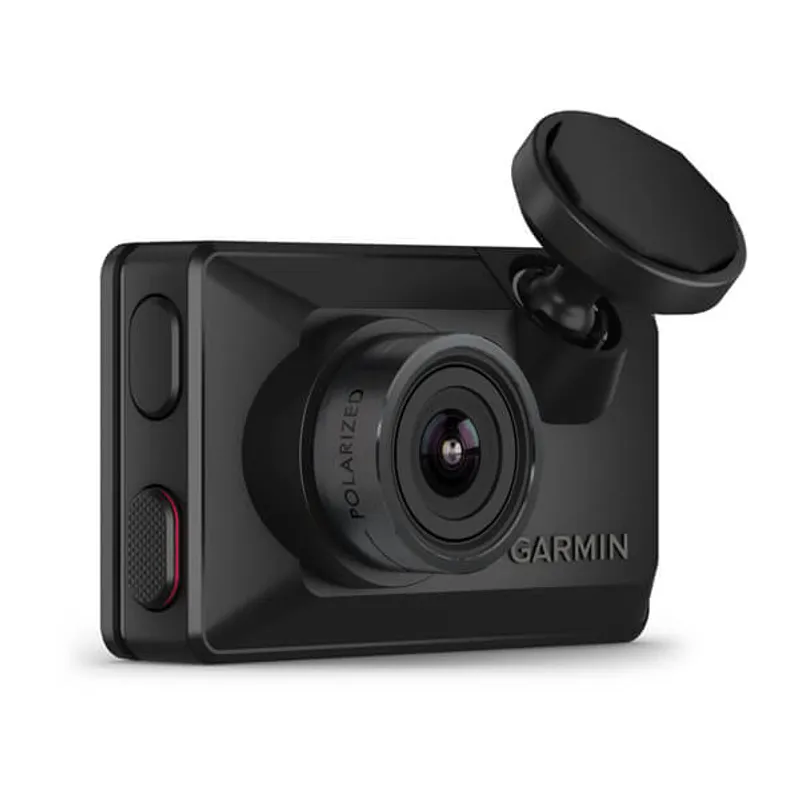
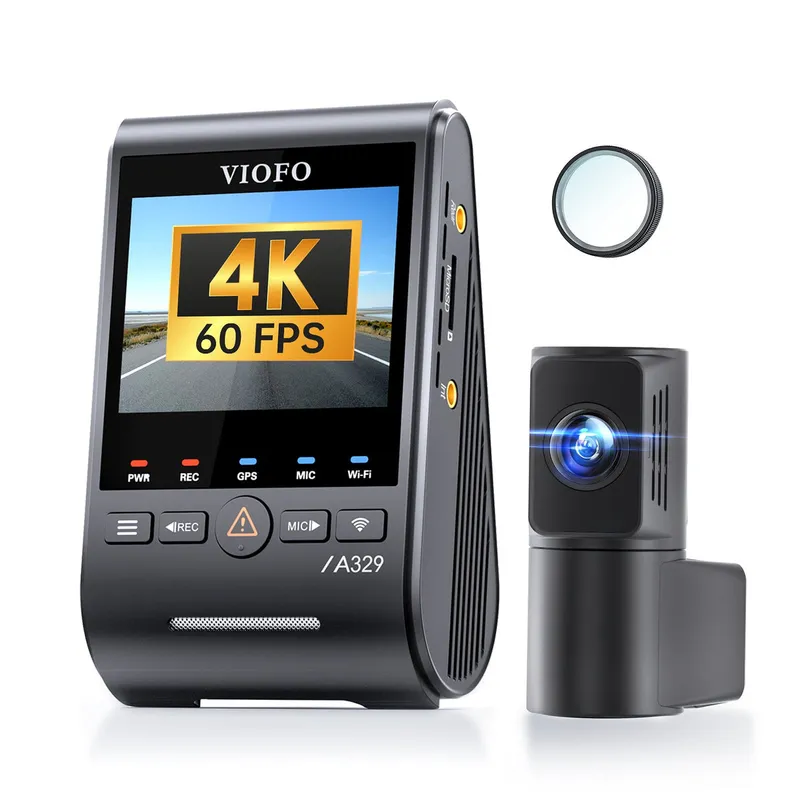
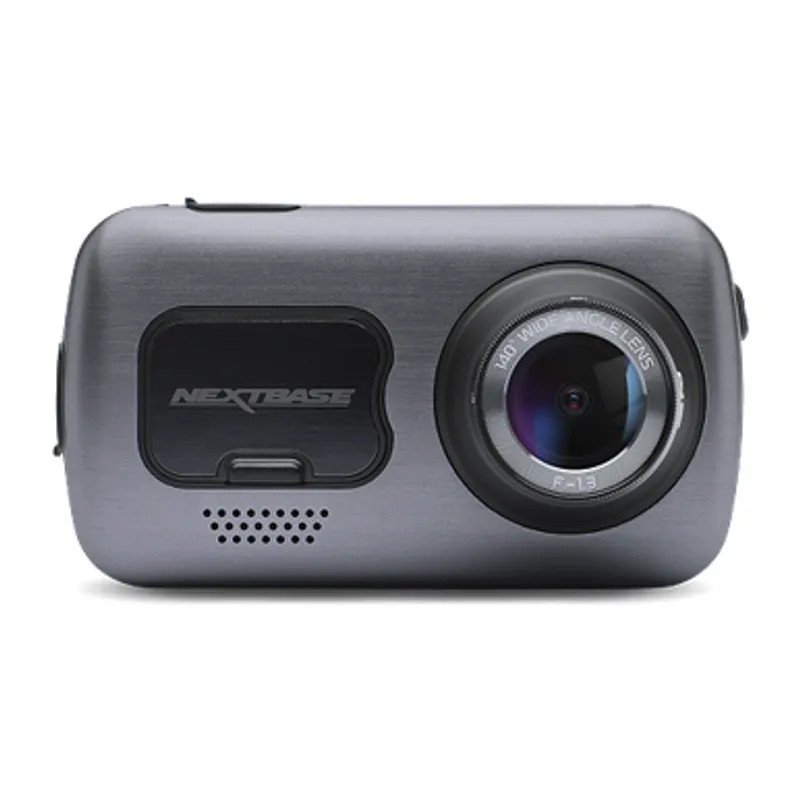
A trucking dash cam may record continuously to local storage, upload event clips or integrate with vehicle telematics. Road-facing footage can support collision review, while side and rear cameras help explain manoeuvres that a windscreen view misses. Cab-facing analytics raise additional privacy and employment questions.

Common questions

Questions before you buy

What does a trucking dash cam record?

Depending on the system, it may record the road, cab, vehicle sides and rear, alongside time, location and event data.

Do trucking dash cams upload footage live?

Connected systems can upload selected events or provide remote access, but features depend on hardware, subscription, signal and fleet policy.

Can fleet managers watch drivers through a cab camera?

Technical capability does not remove legal duties. Monitoring must have a defined, proportionate purpose with clear information and appropriate controls.

What happens to footage after a collision?

Relevant clips should be secured against overwriting, exported in the documented format and handled under the operator's evidence and data policies.