








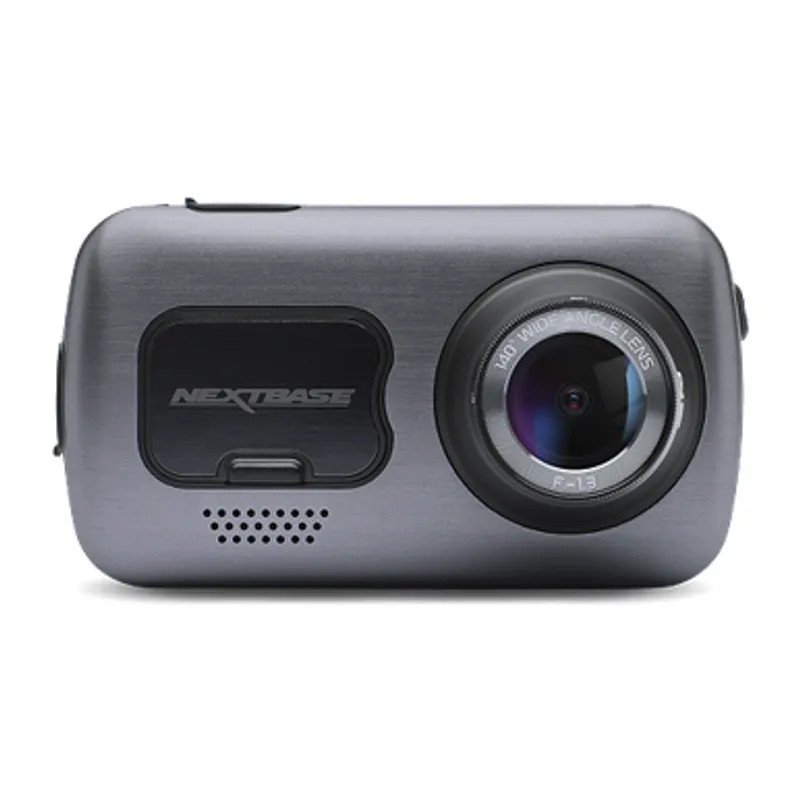
 Official manufacturer image
Our picks
Top picks
Official manufacturer image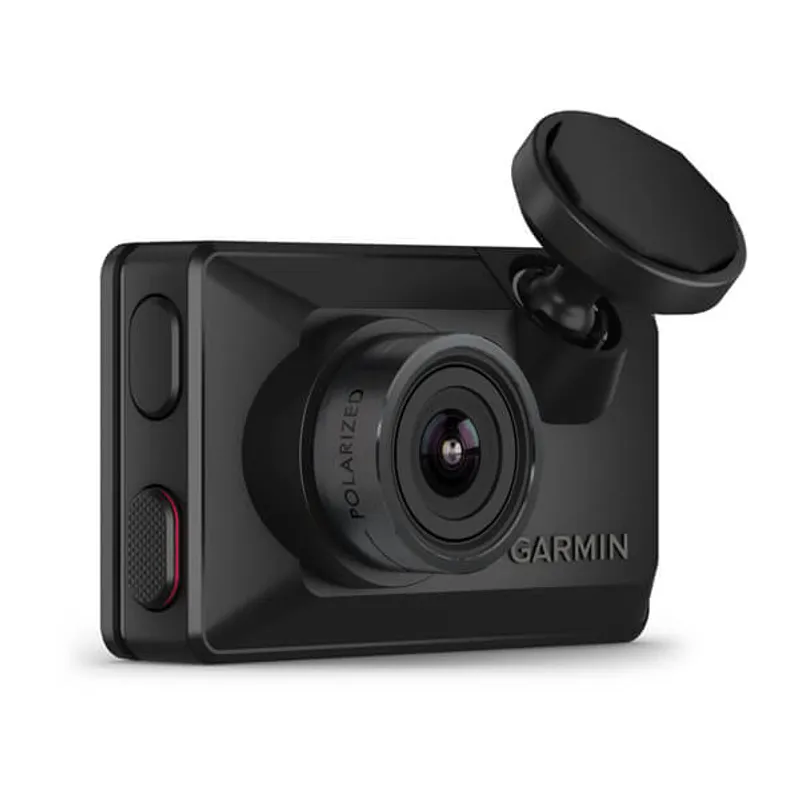 Official manufacturer image
Garmin Dash Cam X310
Check price on Amazon UK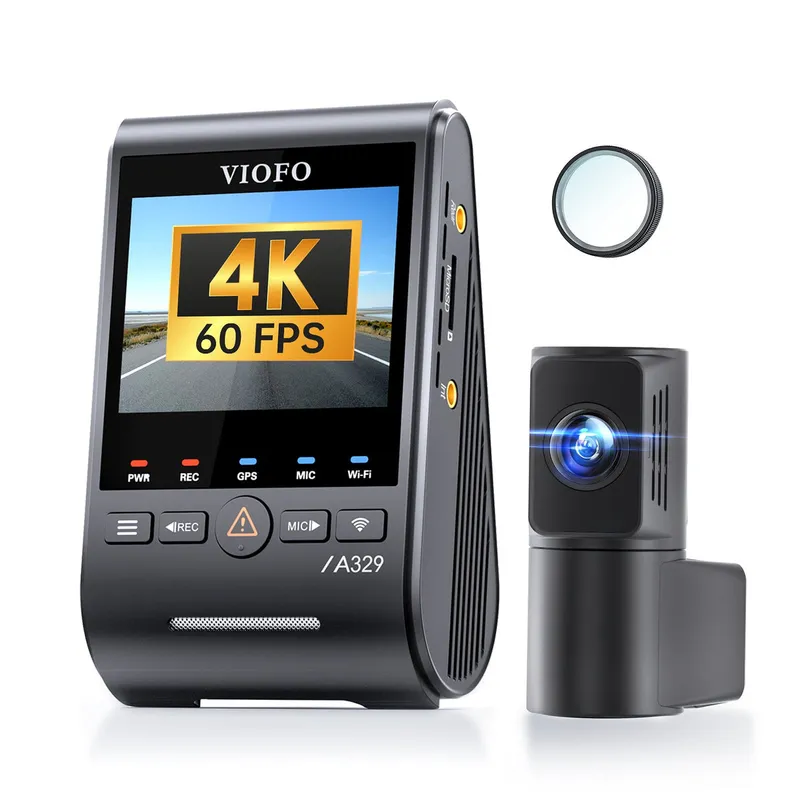 Official manufacturer image
VIOFO A329S 2CH
Check price on Amazon UKMore topics
Common questions
Questions before you buy
Where can a dashcam go in a Volvo EX30?
A high position near the rear-view mirror can be discreet, but it must not obstruct the driver or the EX30’s top-centre forward camera. Confirm the live view and sensor clearance before final mounting.
Can a dashcam use the EX30’s built-in cameras?
The vehicle’s driver-support and parking cameras are not automatically a substitute for a user-accessible continuous dashcam. Use only functions Volvo documents for your model and software version.
Can a Volvo EX30 dashcam record while parked?
A compatible camera can, but it needs an appropriate power arrangement. Have the vehicle and dashcam requirements checked before hardwiring.
Will a dashcam affect EX30 driver assistance?
It can if the unit or wiring blocks a camera or sensor. Volvo advises keeping detection components free from objects and obstructions.