

Independent buying guidance · UK editionHow we work
Gearjury
All categories
All categories
Best picksBest WiFi Extenders in the UK: Compare Five Practical Options
Best picksThe Best Dashcams in the UK for 2026
Best picksBest Portable Air Coolers: Five Models to Compare for 2026
Best picksBest Meat Thermometers in the UK for 2026
Best picksBest Headlamp Torches in the UK: Five Choices for 2026
Best picksBest Winter Gloves in the UK: Five Activity-Based Choices for 2026
Best picksBest Radar Detectors in the UK: Models Compared for 2026
Best picksBest Value Cordless Strimmers in the UK (2026)
Best picksBest Air Purifiers in the UK for Different Rooms and Needs
United KingdomEnglish

Category hub

Battery powered head torches: how to choose the right setup

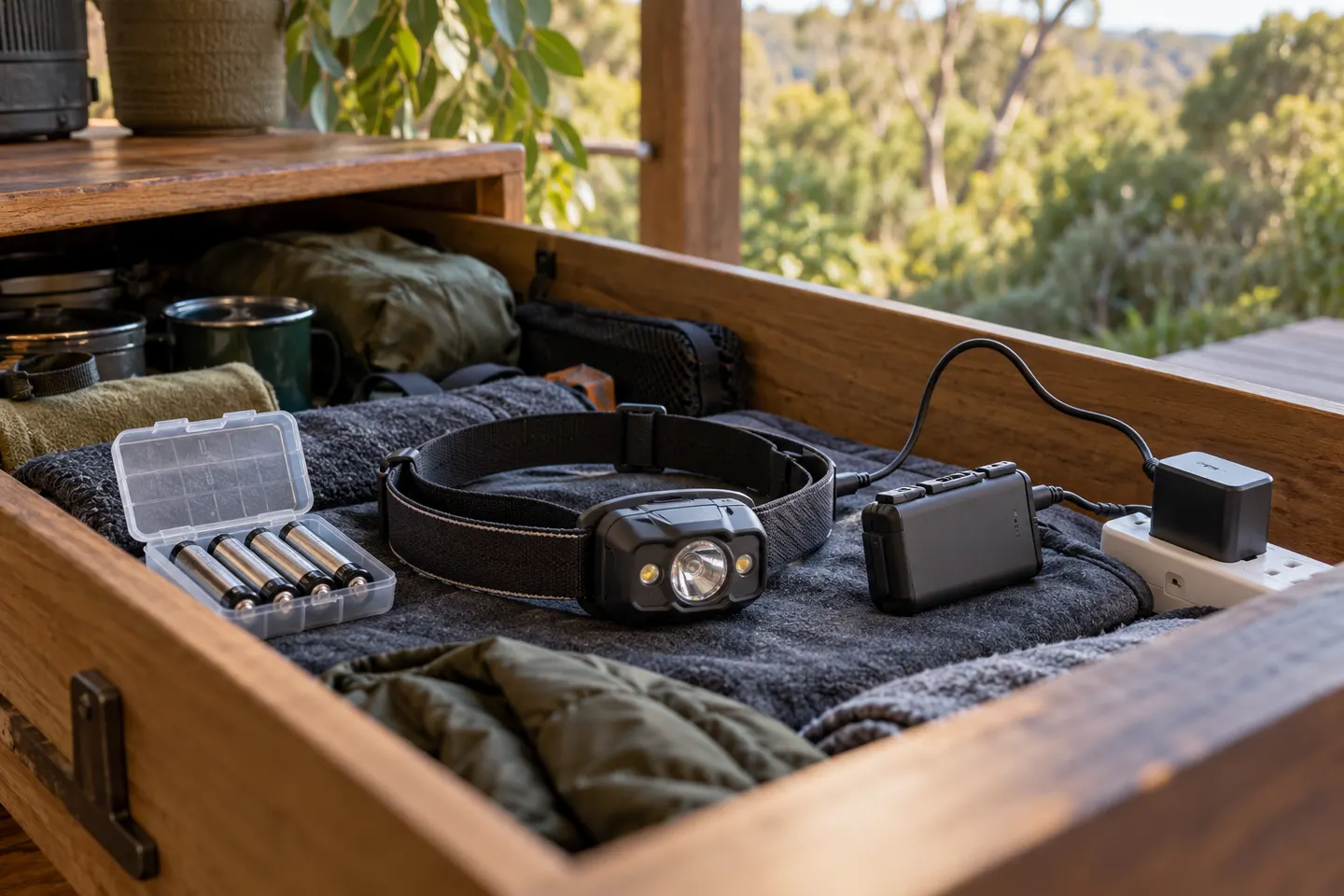
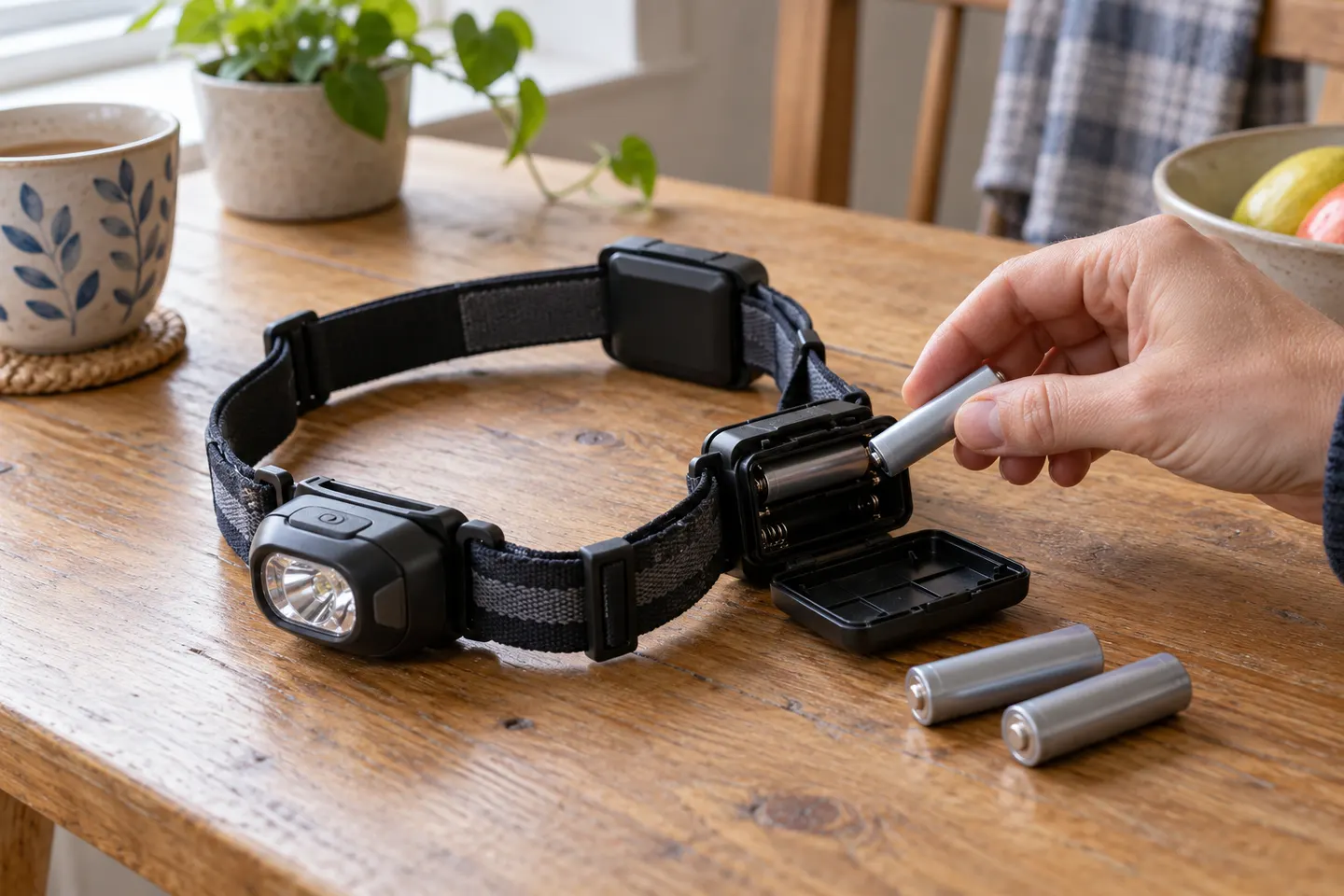
Replaceable cells can suit trips without charging access; verify the exact chemistry and size.

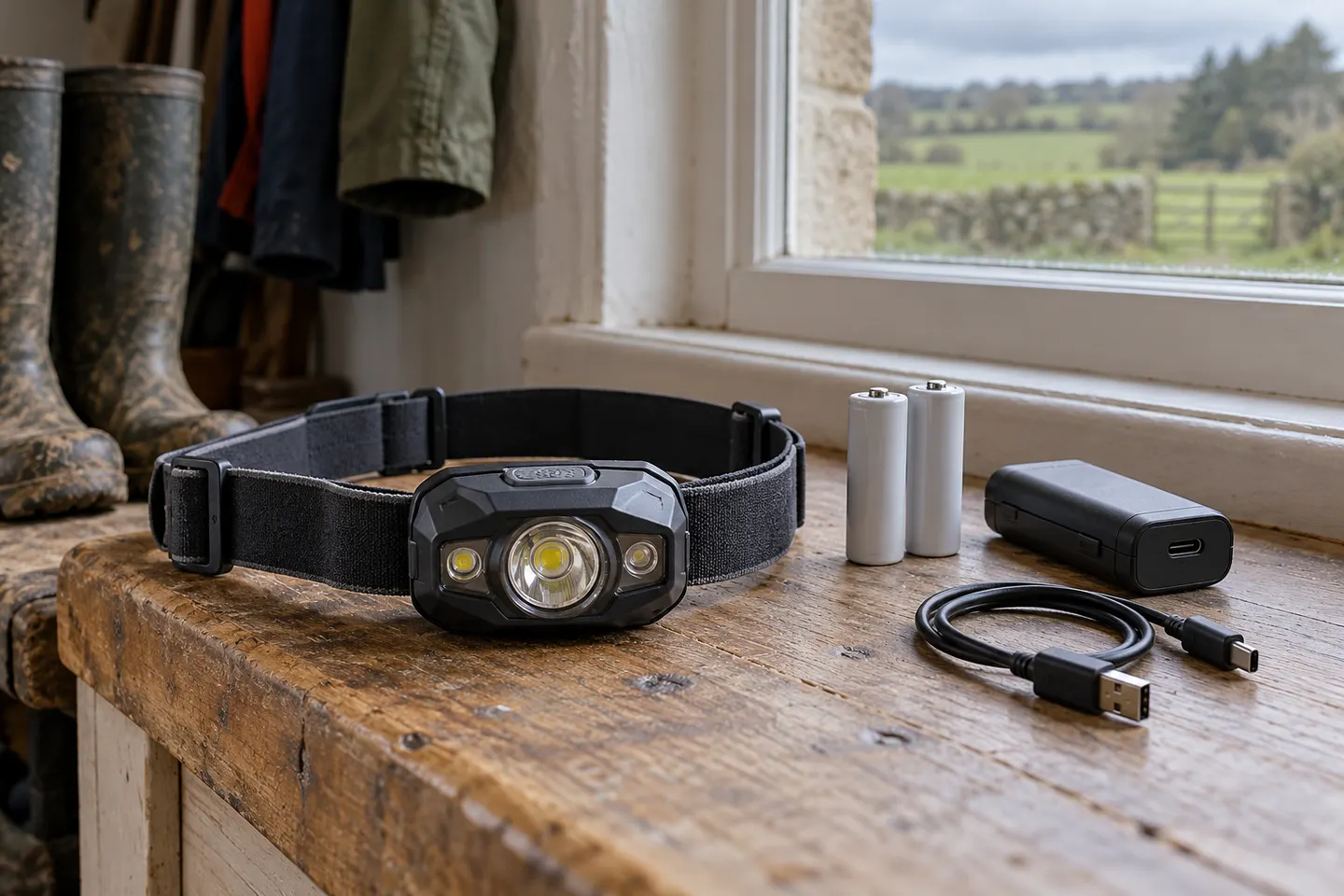
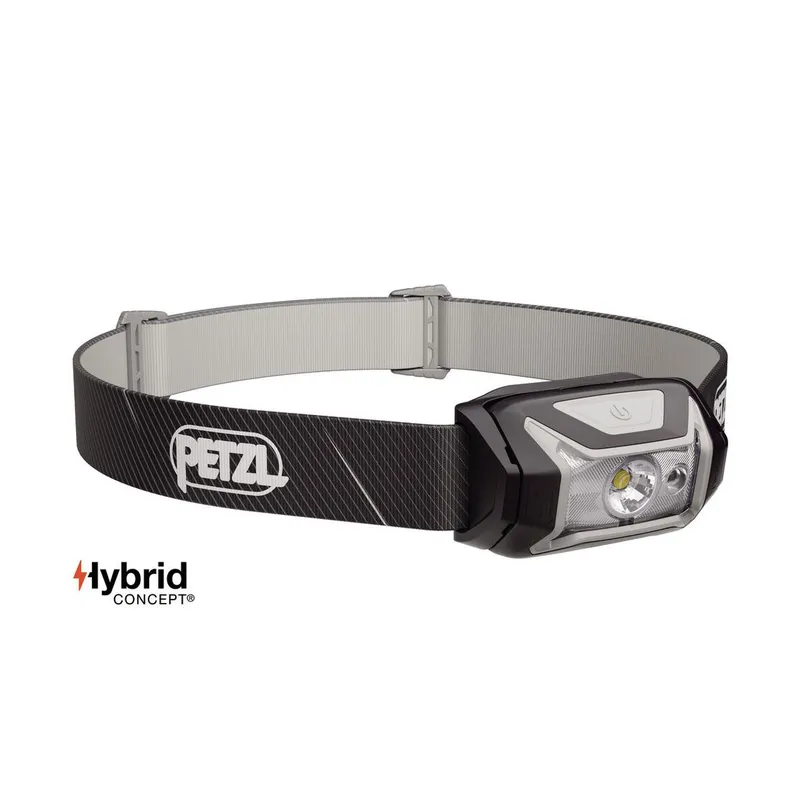
Choosing a battery powered head torch is mainly a power-planning decision. Replaceable cells can be convenient away from charging, but add carried weight and require compatible spares. Some hybrid models accept ordinary cells as well as a dedicated rechargeable pack. Read the specification for the exact generation rather than assuming that every lamp in a product family uses the same setup.

Battery powered head torches: how to choose the right setup

By feature

4

More topics

1

Common questions

Questions before you buy

Which batteries do head torches use?

It depends on the model; check whether it takes AAA, AA or a proprietary battery before ordering spares.

Can I use rechargeable cells?

Only when the manufacturer lists that cell chemistry as compatible with the specific model.

Are batteries included?

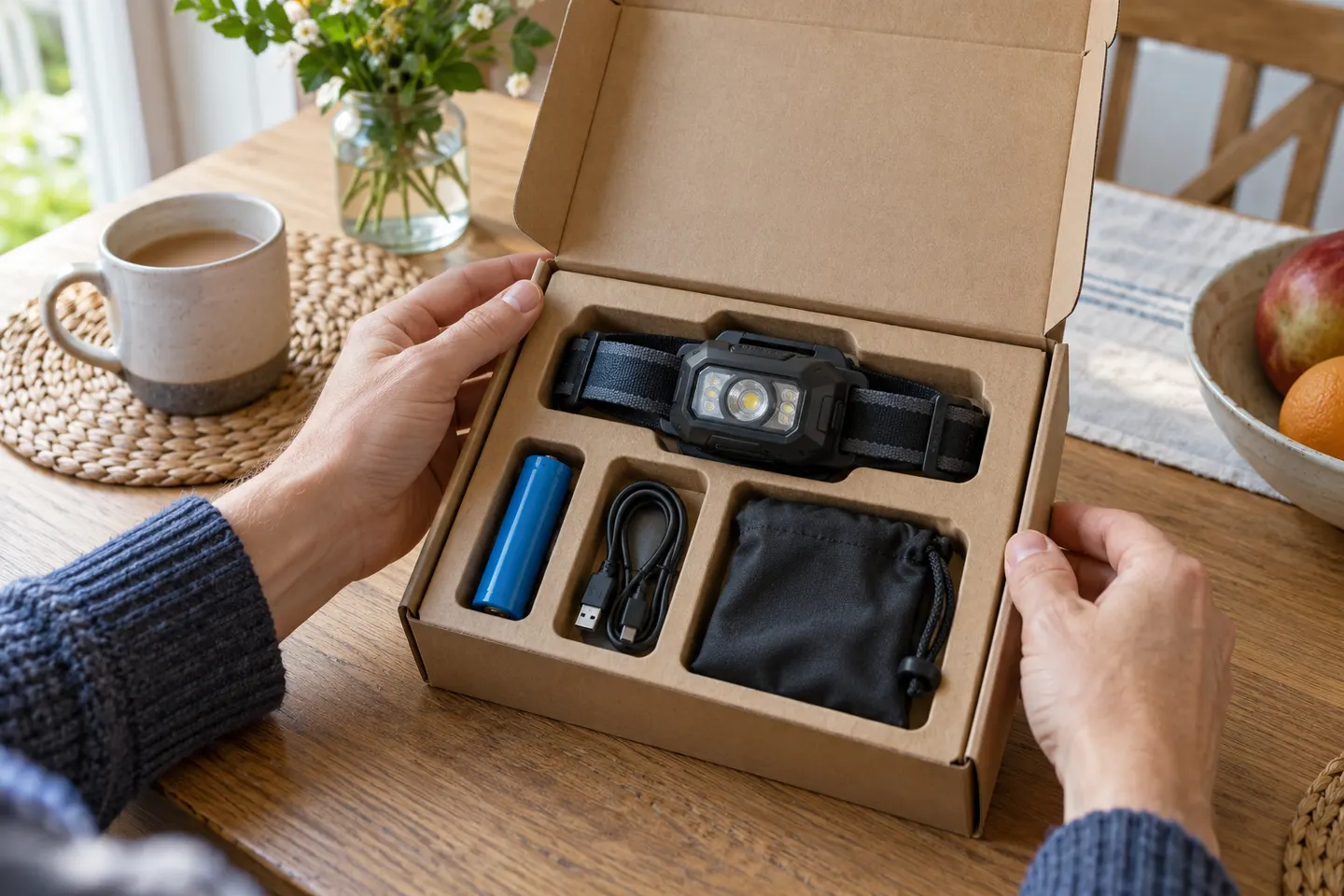
Some lights include cells and others do not; check the current box contents before buying.

Do batteries last longer on a low setting?

Manufacturers publish different runtimes by mode. Compare the mode you expect to use, rather than relying on a maximum-runtime headline.