What a mesh Wi-Fi system is
Mesh uses a main router or gateway and one or more nodes that cooperate to cover multiple areas. Compatible systems are managed together so devices can connect through the network as you move around the home.

 Best picksBest WiFi Extenders in the UK: Compare Five Practical Options
 Best picksThe Best Dashcams in the UK for 2026
 Best picksBest Portable Air Coolers: Five Models to Compare for 2026
 Best picksBest Meat Thermometers in the UK for 2026
 Best picksBest Headlamp Torches in the UK: Five Choices for 2026
 Best picksBest Winter Gloves in the UK: Five Activity-Based Choices for 2026
 Best picksBest Radar Detectors in the UK: Models Compared for 2026
 Best picksBest Value Cordless Strimmers in the UK (2026)
 Best picksBest Air Purifiers in the UK for Different Rooms and Needs
Gearjury may earn a commission from retailer links. This does not affect our editorial judgement.
Guide
A mesh Wi-Fi system uses coordinated nodes to cover a home under one network. Some extenders can join a maker-specific mesh, but an ordinary repeater is not automatically mesh-compatible.

Mesh uses a main router or gateway and one or more nodes that cooperate to cover multiple areas. Compatible systems are managed together so devices can connect through the network as you move around the home.
The label can refer to an extender that joins a particular mesh ecosystem, not every standalone repeater. TP-Link describes its RE605X as able to create a mesh network with a compatible OneMesh router; check the maker’s compatibility list before assuming another router will work.
A basic repeater rebroadcasts an existing Wi-Fi signal and may appear as a separate network. Mesh is designed around coordinated nodes, although the exact roaming and network behaviour depends on the product family and configuration.
Consider mesh if several rooms or floors have weak coverage and you want a centrally managed setup. A single extender may be sufficient for one isolated dead zone; wired access points can be another option where cabling is available.
Match router and node models against the manufacturer’s compatibility information. Place nodes where they retain a reliable connection to the rest of the system, rather than clustering them in the areas already without signal.
Mesh can improve local coverage, but it does not raise the broadband speed supplied to the home. The internet connection, building layout, interference and the devices connecting all affect the experience.
Common questions
It is an extender designed to work with compatible mesh equipment as part of a coordinated home network. Compatibility is usually limited to specified product families, so check the model list.
Mesh can be easier to manage across several rooms, while a standalone extender may be simpler for one coverage gap. The better fit depends on layout, compatibility and how many areas need help.
No. Check the router maker’s supported models and mesh standard. Similar branding or Wi-Fi generation does not guarantee that devices join the same mesh.
It can improve Wi-Fi coverage in weak areas, but it does not increase the broadband speed arriving at the main router. Node placement and backhaul affect performance.
Keep exploring
TP-Link RE315 is a practical starting point for a standard indoor dead zone. Consider a Wi-Fi 6 device for newer kit, outdoor-rated hardware for a garden, or powerline where a wireless hop struggles.
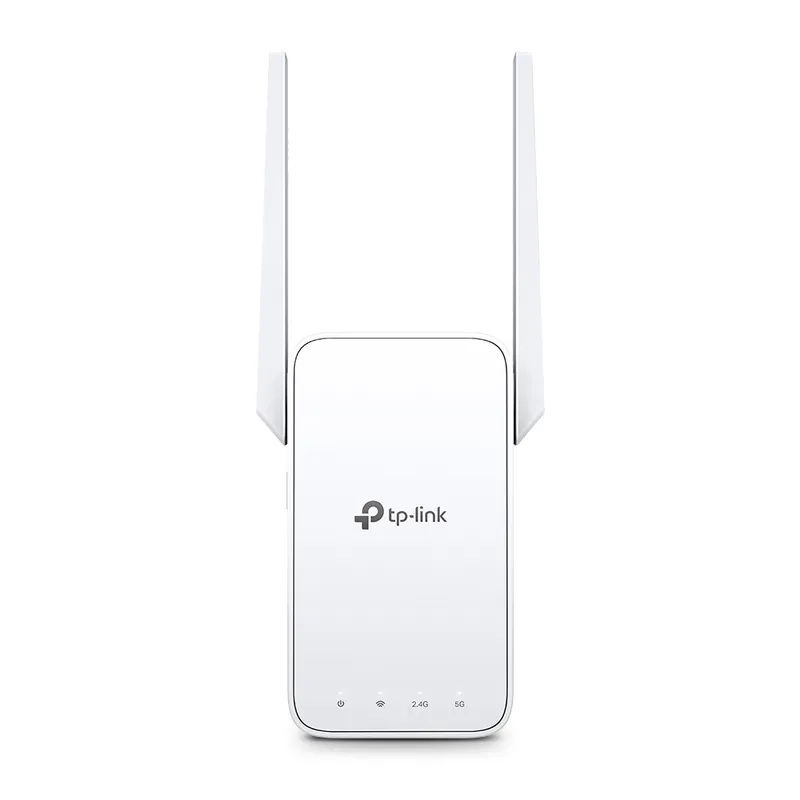
TP-Link sells plug-in repeaters and powerline kits. Check EasyMesh support, Ethernet needs and the exact UK hardware revision before buying.

Sky has different booster products for different broadband generations. Sky Max customers may use a Max Pod; check your account and hub-specific help before seeking a third-party extender.

A WiFi extender can carry your router signal further, but placement and backhaul matter. Choose a plug-in repeater for a nearby dead zone, powerline WiFi for difficult layouts, or an outdoor-rated unit for a garden.