








 Official manufacturer image
Our picks
Top picks
Official manufacturer image Official manufacturer image
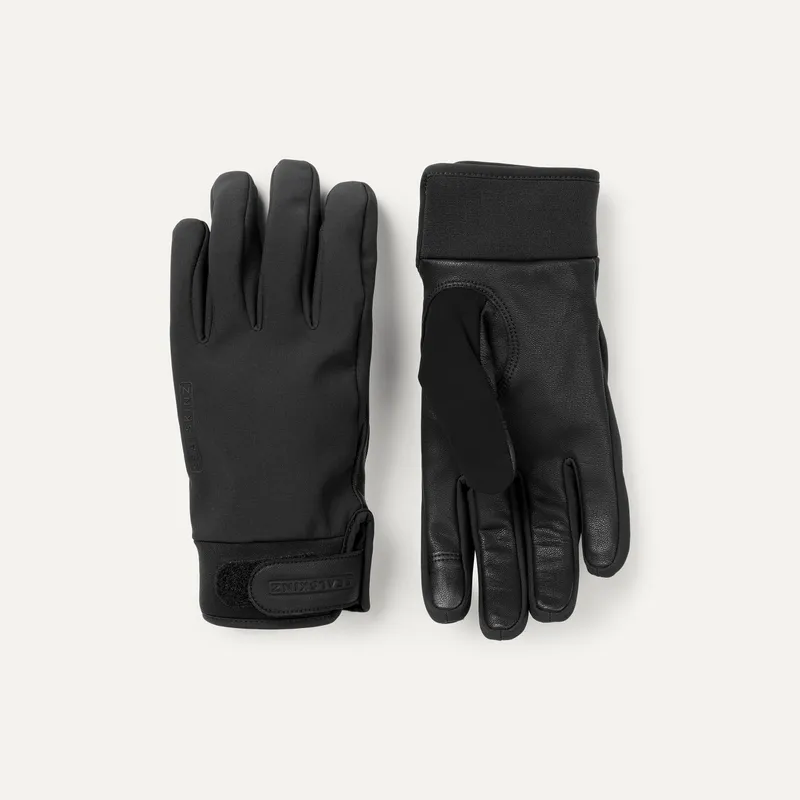
Sealskinz Lexham
Check price on Amazon UK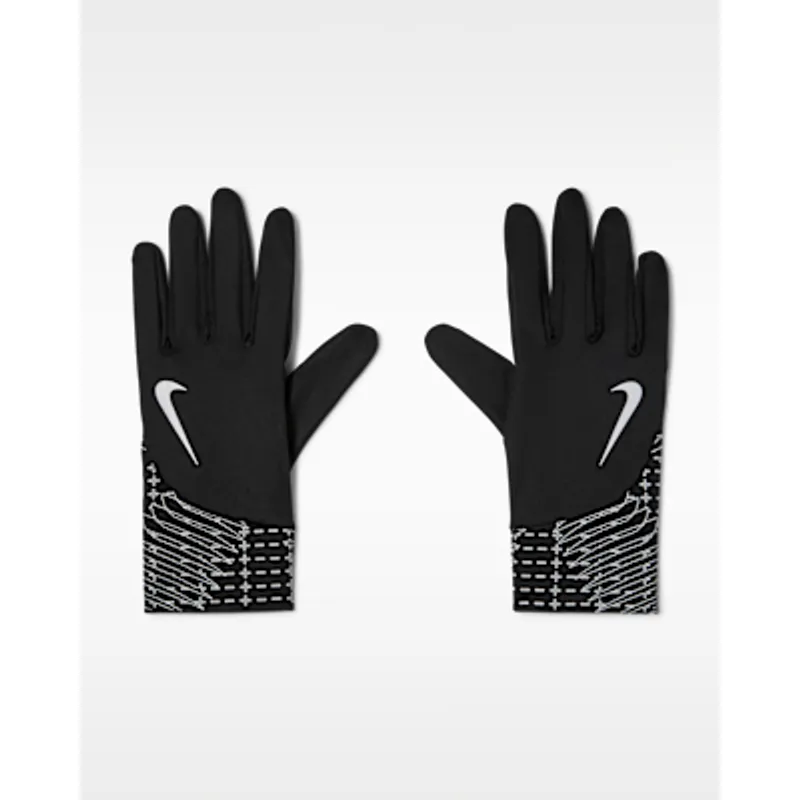 Official manufacturer image
Nike Pacer Men's Therma-FIT Lightweight Gloves
Check price on Amazon UKCommon questions
Questions before you buy
Can thermal gloves help with arthritis?
Warm gloves can provide comfort in cold conditions for some people, but they do not treat arthritis. Ask a healthcare professional for advice if symptoms are affecting daily activities.
What glove features can make them easier to put on?
A wider opening, adjustable fastening and a flexible cuff may make dressing easier. Check the closure can be managed comfortably and does not create pressure once fastened.
Should arthritis gloves be tight?
They should not cause discomfort, pressure or restricted movement. Choose a comfortable fit and seek clinical advice if you are considering compression garments or gloves for symptom management.
Are heated gloves suitable for arthritis?
Heated gloves are a personal comfort choice, not a treatment. Read the maker’s safety instructions and consult a clinician if you have reduced sensation or another condition that affects safe heat use.