Gearjury may earn a commission from qualifying retailer links. Recommendations use cited evidence.
Guide
What Are Thermal Gloves and What Makes Them Warm?
Thermal gloves use insulation and construction to slow heat loss. The right choice also depends on fit, wind, moisture and how much hand movement your activity needs.
GGearjury editorial team · Updated 15 October 2026· 5 min
01
What are thermal gloves used for?
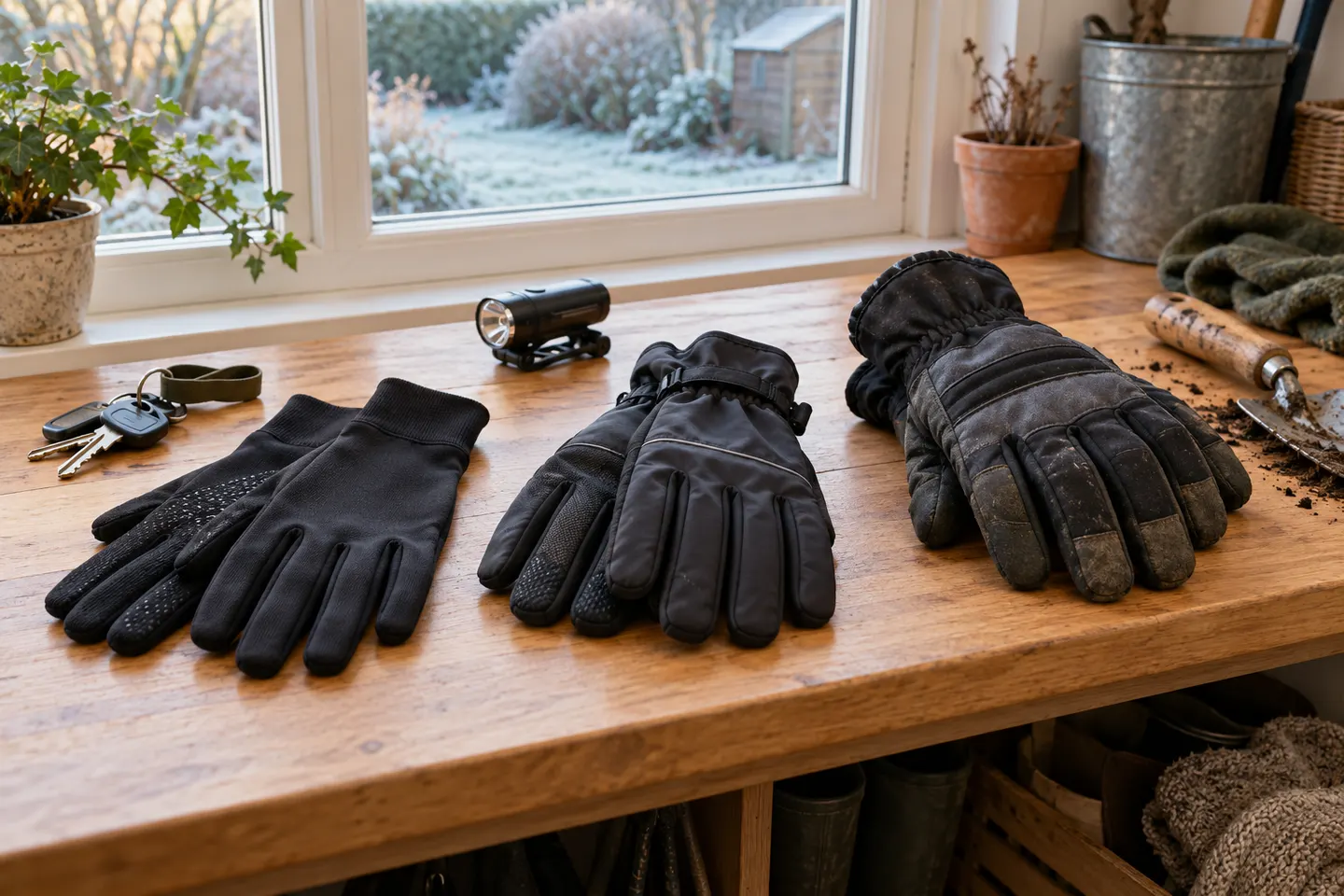
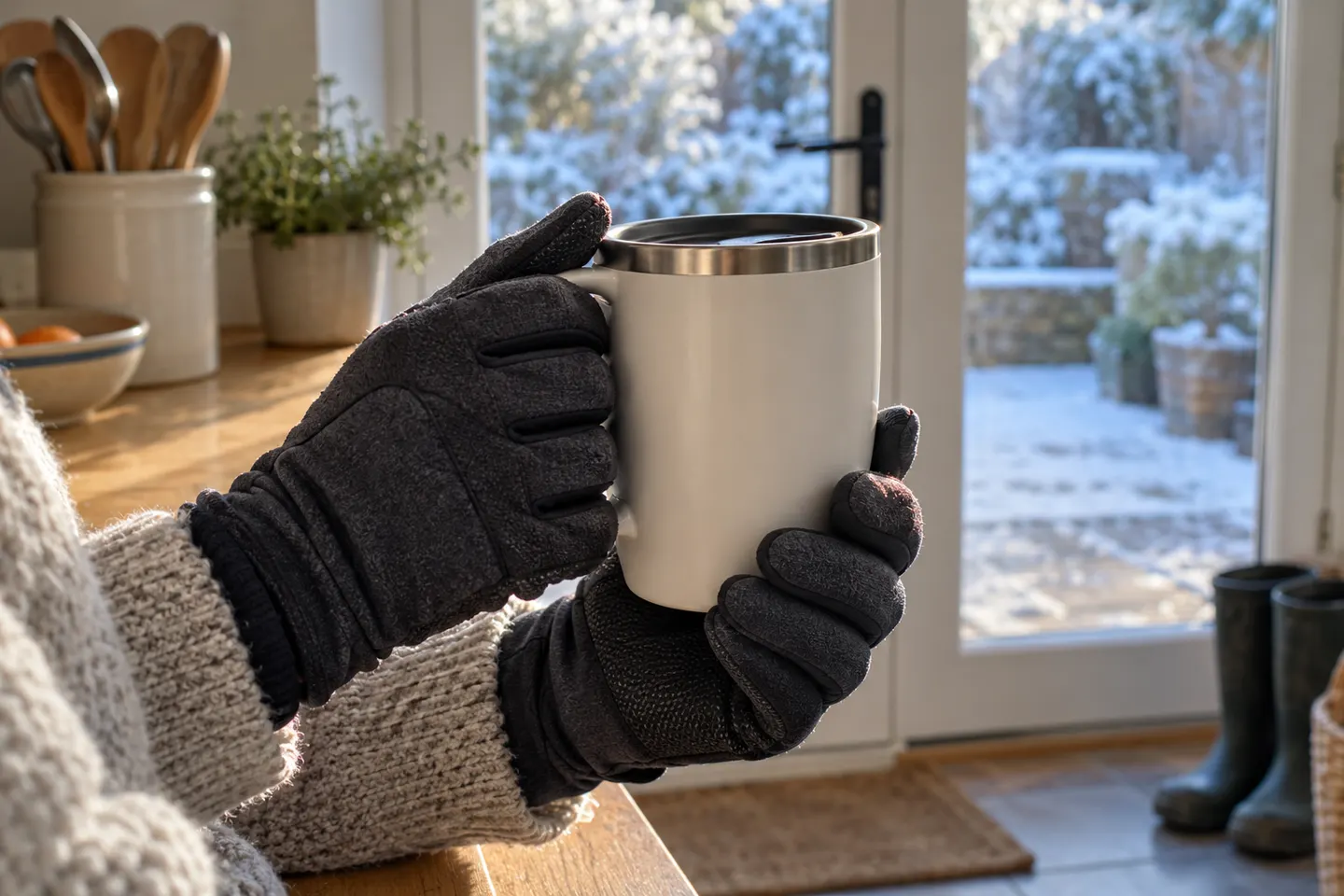
Thermal gloves are intended to reduce heat loss in cold conditions. Use them for commuting, outdoor work or recreation only when their construction matches the exposure and task; the word thermal alone does not promise waterproofing or safety protection.
02
What are the best gloves to keep hands warm?
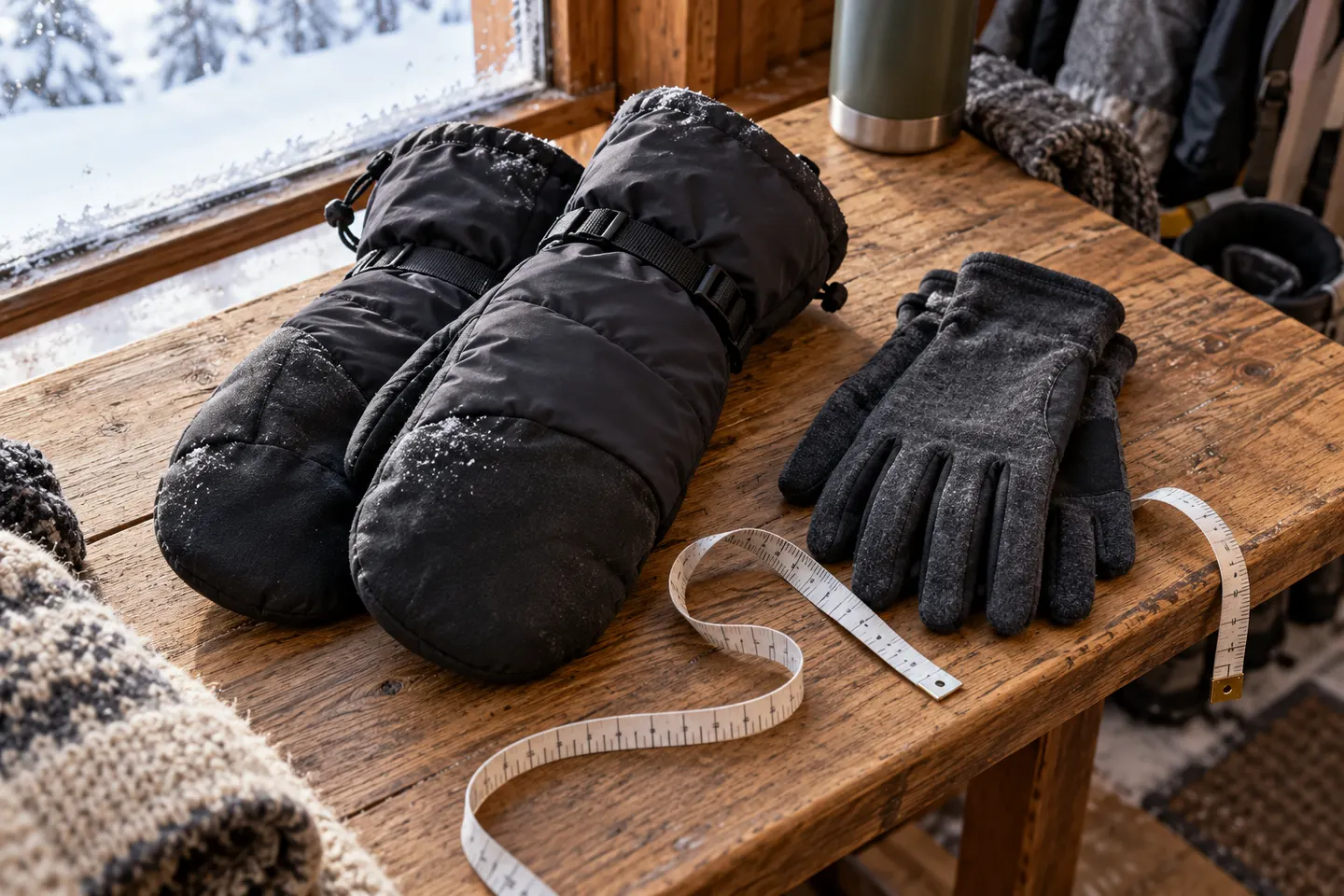
The best choice depends on the cold, wetness and activity. Insulated mittens can retain warmth well when dexterity matters less; insulated gloves allow more finger movement. A liner plus an outer glove lets you adjust layers as conditions change.
03
What makes gloves warm?
Insulation holds pockets of still air around the hand. A wind-resistant shell reduces convective heat loss, while a suitable lining and cuff help limit cold air entering. Moisture management matters because damp fabric can feel cold.
04
Fit, layering and dexterity
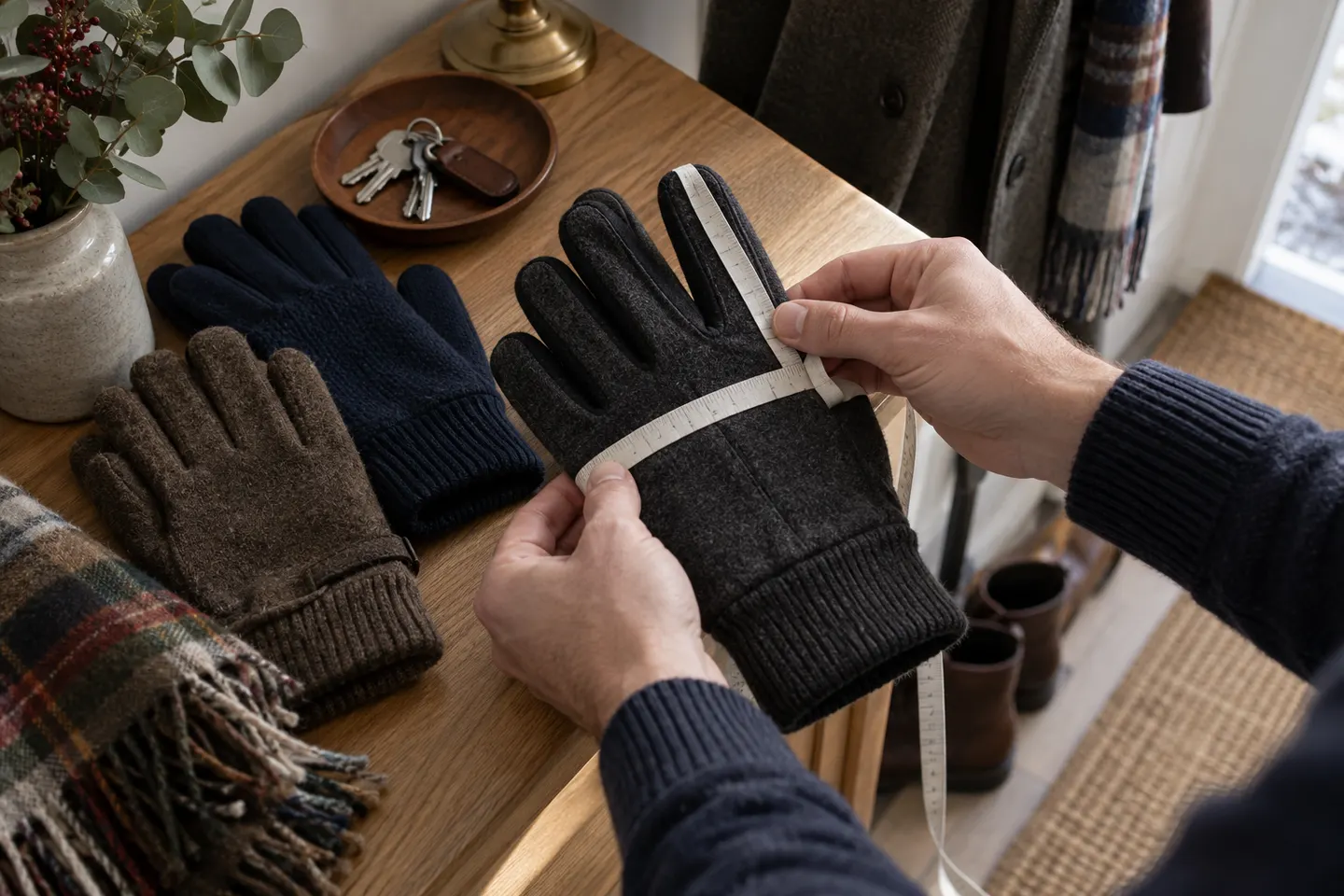
Choose a fit that keeps insulation lofted without squeezing fingers. Too much compression can restrict movement; excess space can make fine tasks harder. If layering, check that the outer glove still closes over the liner cuff.
05
Warmth is not the same as waterproofing
A thermal lining does not make the glove waterproof. For rain or snow, check the manufacturer’s specific membrane or coating claim and the care instructions. For workplace hazards, verify the required protective standard and class.
06
Choose for your activity
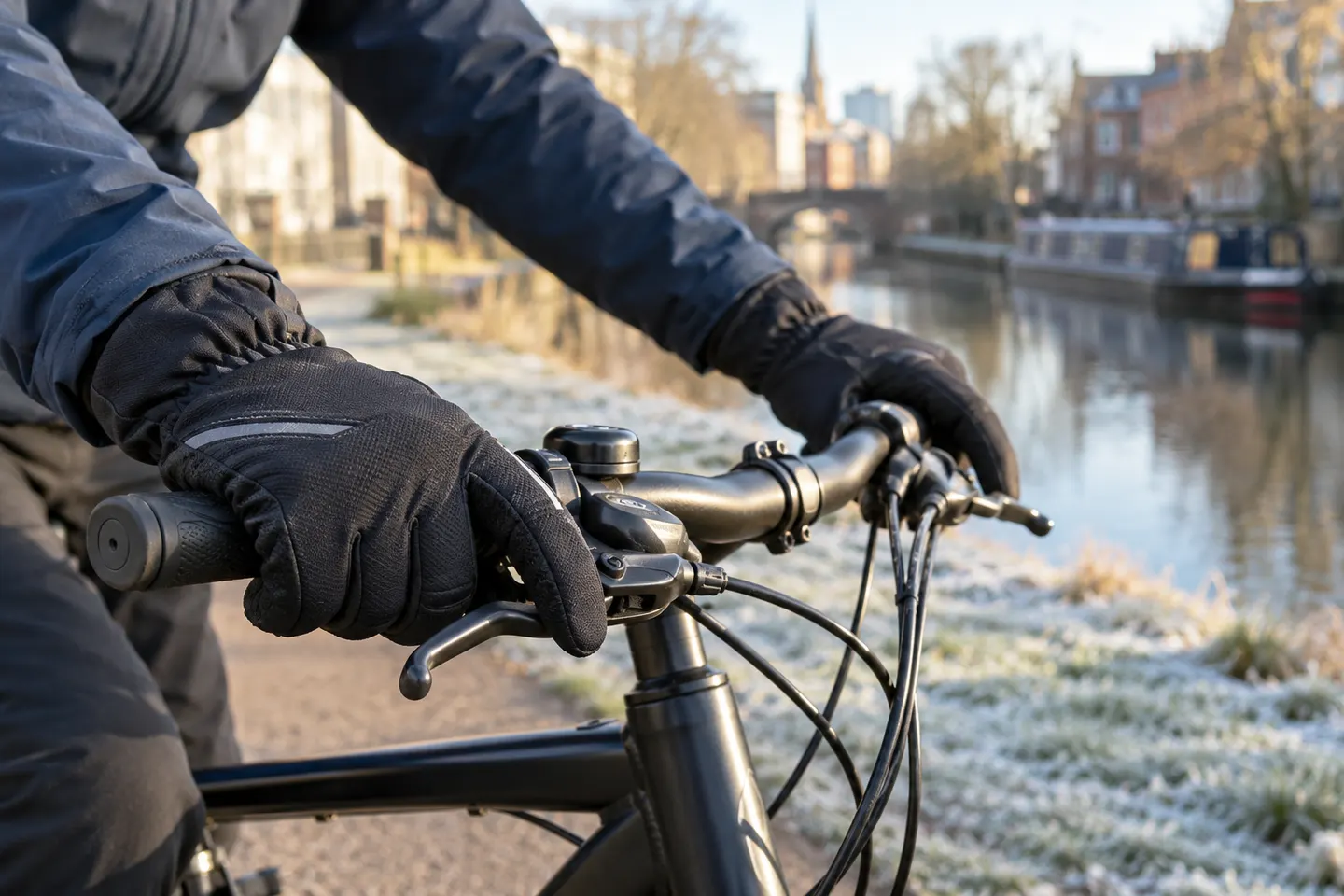
Cycling gloves need a secure palm and control of brakes and shifters. Work gloves should match the task risk and grip needs. Ski gloves may prioritise weather protection and warmth over fine finger movement. Compare purpose-built options in the winter glove hub.
Common questions
Questions before you buy
What are thermal gloves used for?
They are used to reduce heat loss in cold conditions. Choose by activity and exposure because thermal construction alone does not indicate waterproofing or workplace protection.
What are the best gloves to keep hands warm?
Choose insulation and weather protection for the conditions. Mittens can retain warmth with less dexterity; gloves provide more independent finger movement.
What are the best gloves for keeping hands warm?
There is no single best type for everyone. Compare fit, insulation, wind and water protection, and how much dexterity you need.
What makes gloves warm?
Insulation traps still air, while a suitable shell, lining and cuff help reduce heat loss. Fit and moisture also affect comfort.
Thermal gloves work best when their insulation matches what you do. A pair for a brisk run, a wet commute and stationary outdoor work needs different trade-offs.
Men's winter gloves should fit the hand and the job. Start with palm and finger measurements, then choose insulation and weather protection around your normal day.
Women's thermal gloves should let you move and grip comfortably. Choose the hand shape first, then the level of insulation and rain protection your activity needs.
Winter cycling gloves must let you brake and shift comfortably. Choose weather protection for the ride, then check the grip with your fingers bent around the bars.
Your privacy
We use cookies and similar technologies. Necessary ones keep the site working. With your permission we also use statistics cookies (Google Analytics and Microsoft Clarity) to understand which guides help readers. You can accept all, reject all or choose. You can change your choice at any time from "Cookie settings" at the bottom of every page. Cookie policy