








 Official manufacturer image
Our picks
Top picks
Official manufacturer image Official manufacturer image
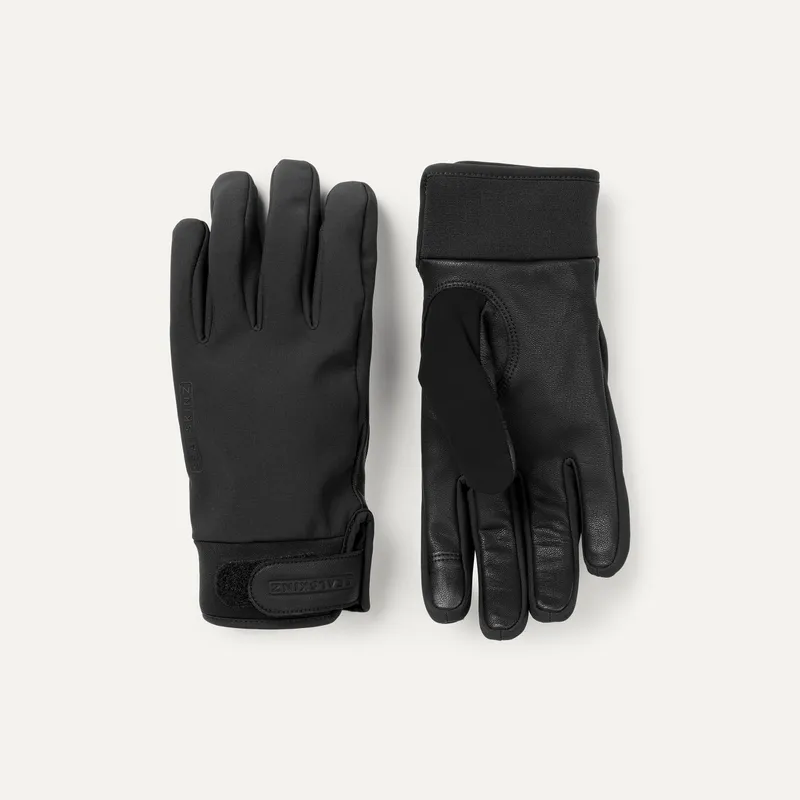
Sealskinz Lexham
Check price on Amazon UK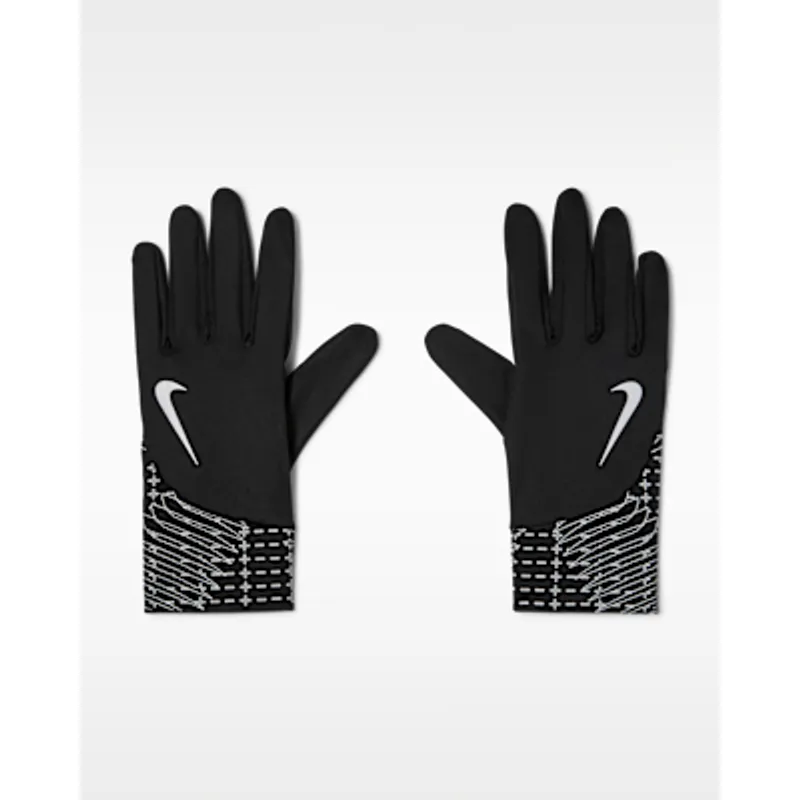 Official manufacturer image
Nike Pacer Men's Therma-FIT Lightweight Gloves
Check price on Amazon UKCommon questions
Questions before you buy
How do thermal insulation gloves keep hands warm?
Insulating layers trap air close to the skin and slow heat loss. A wind-resistant or waterproof outer can help preserve that warmth in exposed conditions.
Are thicker gloves always warmer?
Not always. Fit, insulation type, wind protection and moisture management all matter; a glove that is too tight can be uncomfortable and limit movement.
What is better for winter, fleece or insulated gloves?
Fleece is often flexible and comfortable for moderate cold or as a liner. A purpose-built insulated glove may add a protective shell for colder or wetter use.
Can insulated gloves be waterproof?
Yes, some combine insulation with a waterproof membrane or coating. Check the exact product specification, since a warm lining by itself does not prevent water entering.