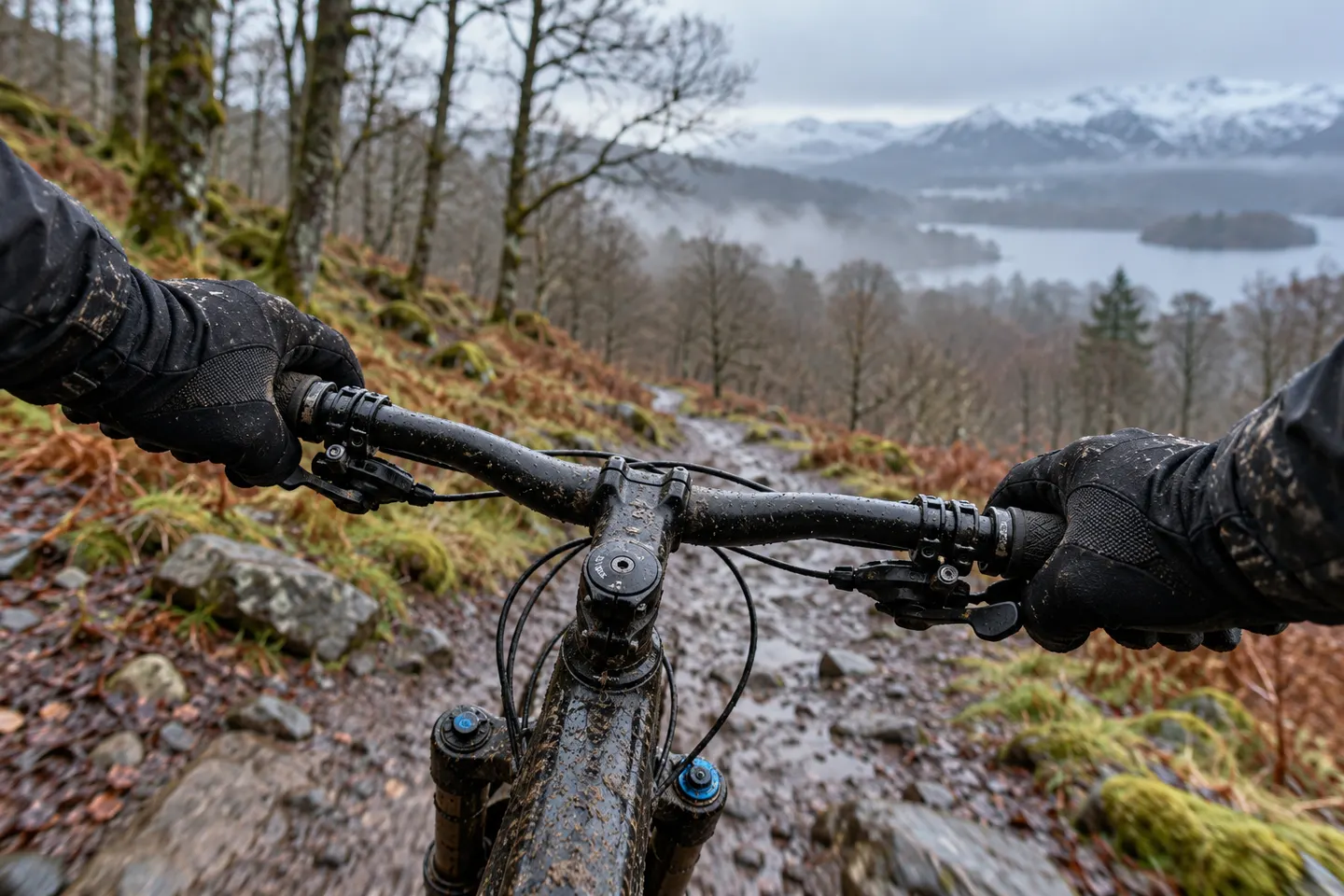
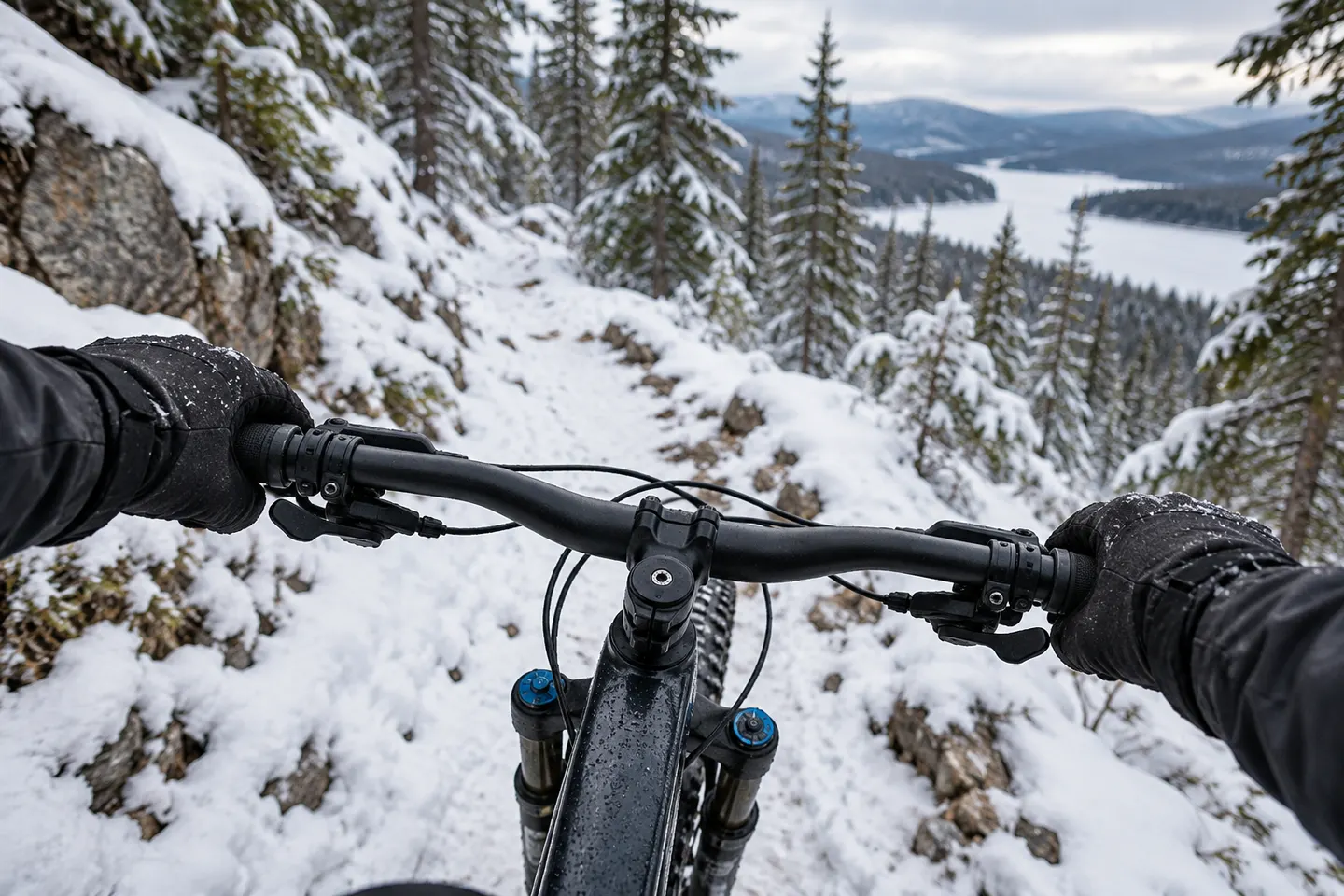
Technical trails reward gloves that stay close to the hand. Compare palm grip, cuff coverage and water protection before deciding how much insulation you need.
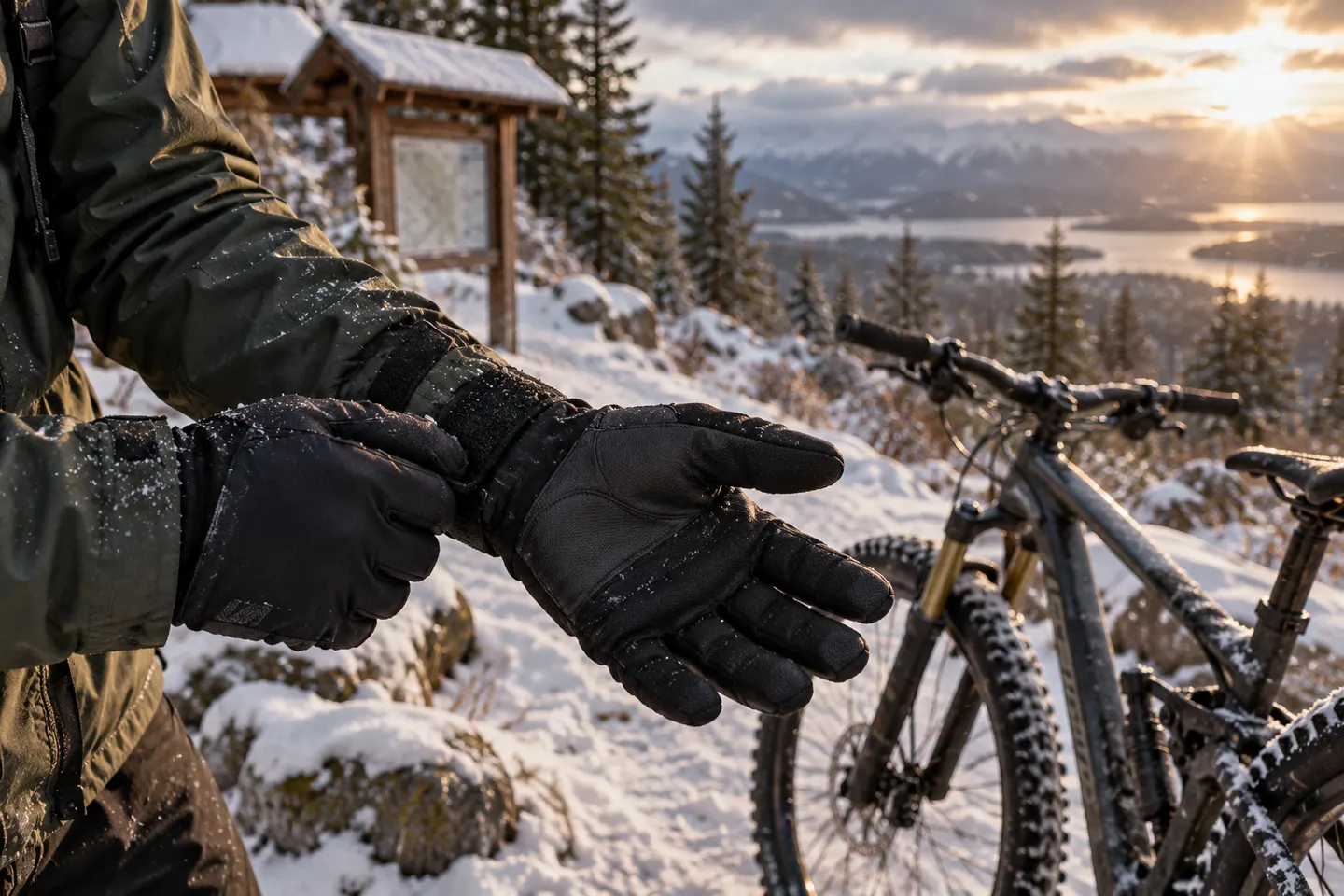
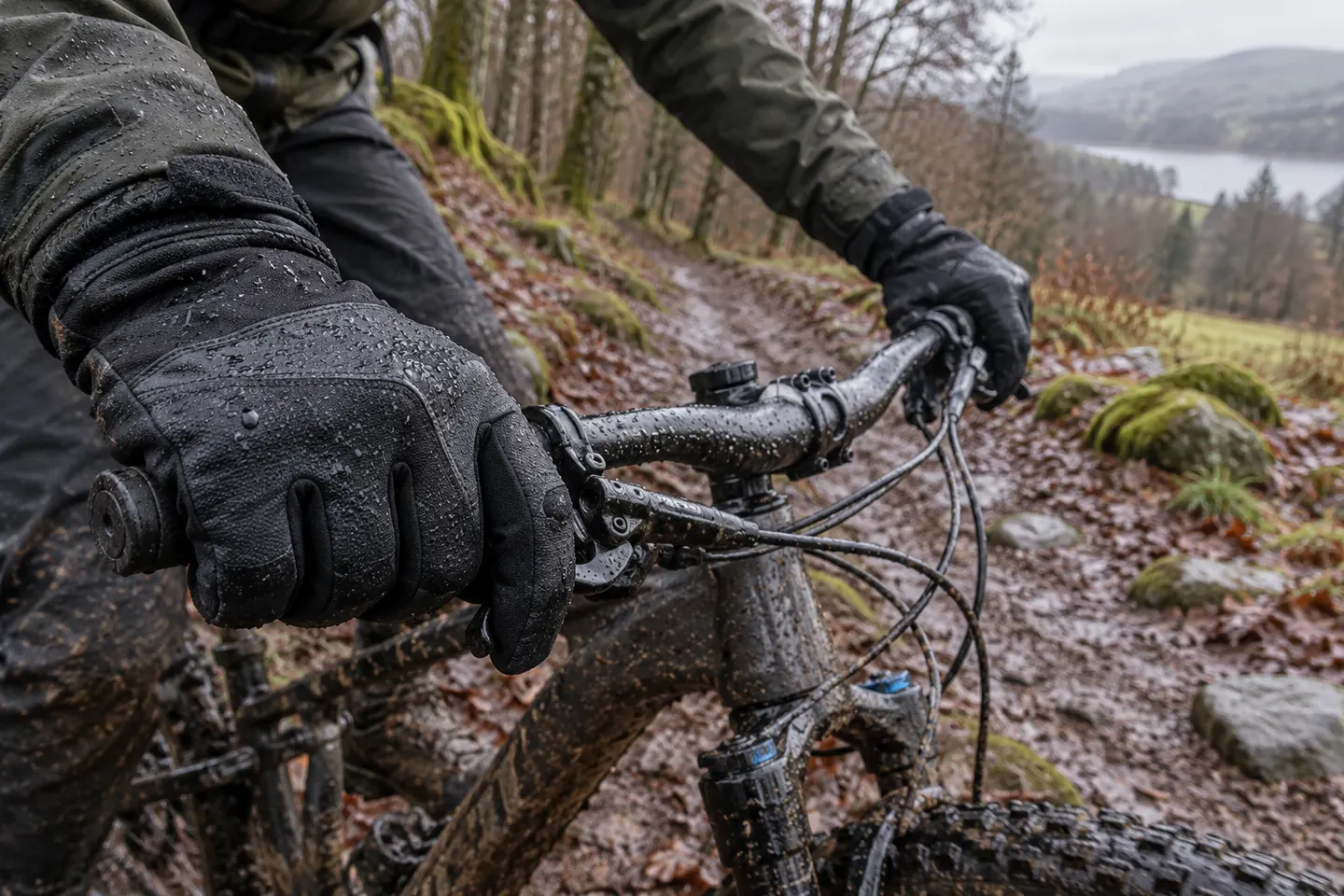
Mountain cycling gloves for winter need to protect against wind and trail spray without interfering with braking or shifting. A low-bulk palm and articulated fingers help preserve control; extra insulation suits slow, exposed rides but may feel excessive during hard climbs. For wet trails, consider a waterproof membrane and a cuff that sits comfortably under or over your jacket. For dry cold, a breathable softshell can be less cumbersome. If your rides are mostly commuting or road cycling, compare designs built for those positions and conditions.
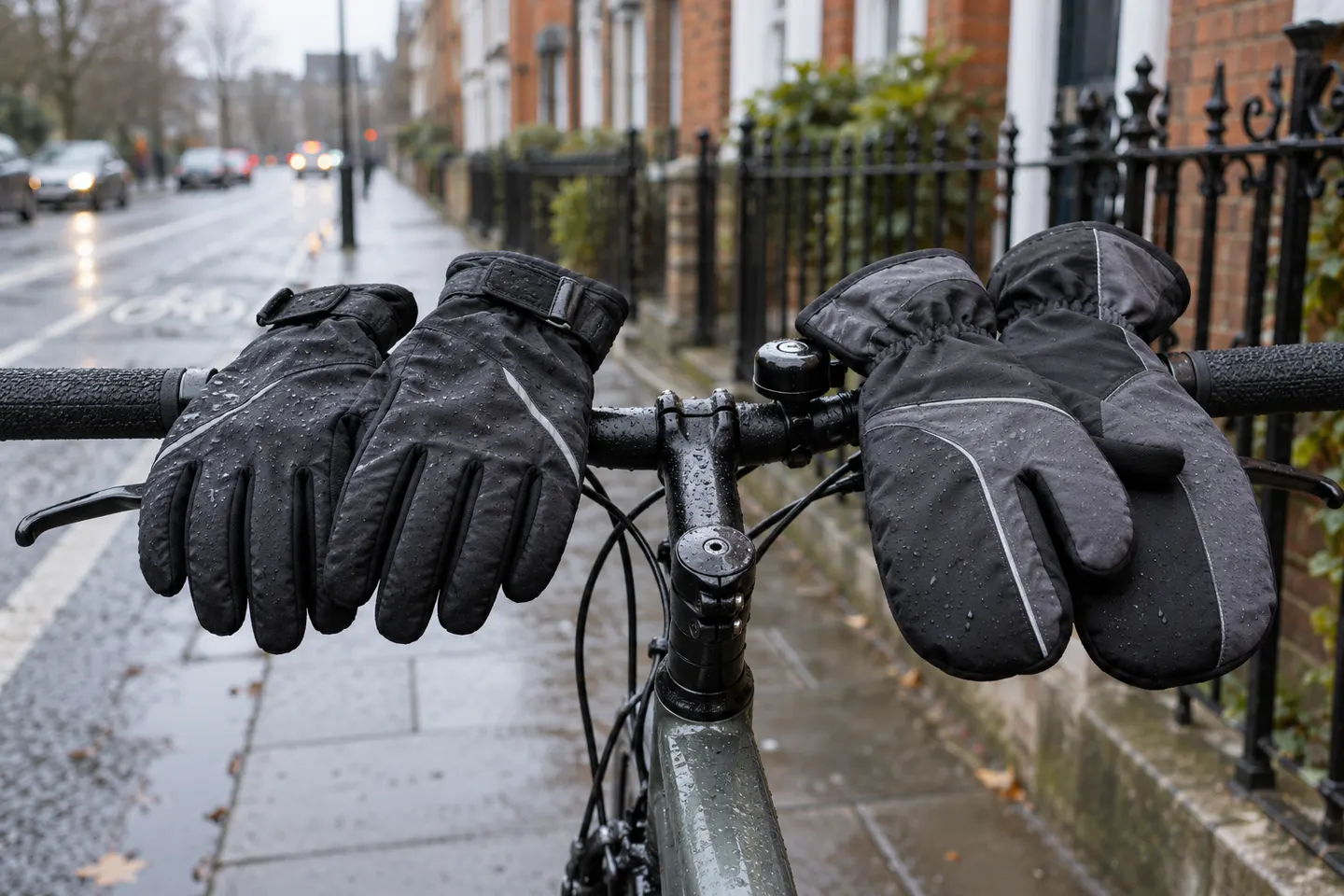
The best winter cycling gloves depend on the weather and your controls. Start with a waterproof cycling design for wet commuting; consider windproof lobster gloves for a different cold-weather need.
Sealskinz Sutton is the trail-focused waterproof option; Endura MT500 Freezing Point adds stated insulation. Compare lighter BRISKER gloves when bar feel matters more than heavy coverage.
For cold, exposed trail rides, Fox Defend Pro Fire is a strong all-round choice thanks to its weather-resistant softshell and slim fleece palm. Choose a lighter glove for milder days or a more insulated option when temperatures fall.
Common questions
Questions before you buy
What makes mountain cycling gloves different in winter?
They combine weather protection with grip and movement for off-road controls. Palm durability and fit matter because riders adjust their hands frequently on technical terrain.
Should mountain bike gloves cover the wrist?
A longer cuff can reduce gaps between glove and jacket, while a short cuff may layer more easily. Choose a closure that stays secure without restricting wrist movement.
Are waterproof gloves best for every winter ride?
Not always. Waterproof membranes help in rain and wet trails but can feel warmer during hard efforts. In dry weather, a breathable wind-resistant glove may be more comfortable.
How do I keep winter cycling gloves from getting sweaty?
Choose warmth for your effort, avoid an overly tight fit and dry gloves fully after a ride. Breathable materials can help, though they cannot prevent all moisture during hard exercise.
Your privacy
We use cookies and similar technologies. Necessary ones keep the site working. With your permission we also use statistics cookies (Google Analytics and Microsoft Clarity) to understand which guides help readers. You can accept all, reject all or choose. You can change your choice at any time from "Cookie settings" at the bottom of every page. Cookie policy









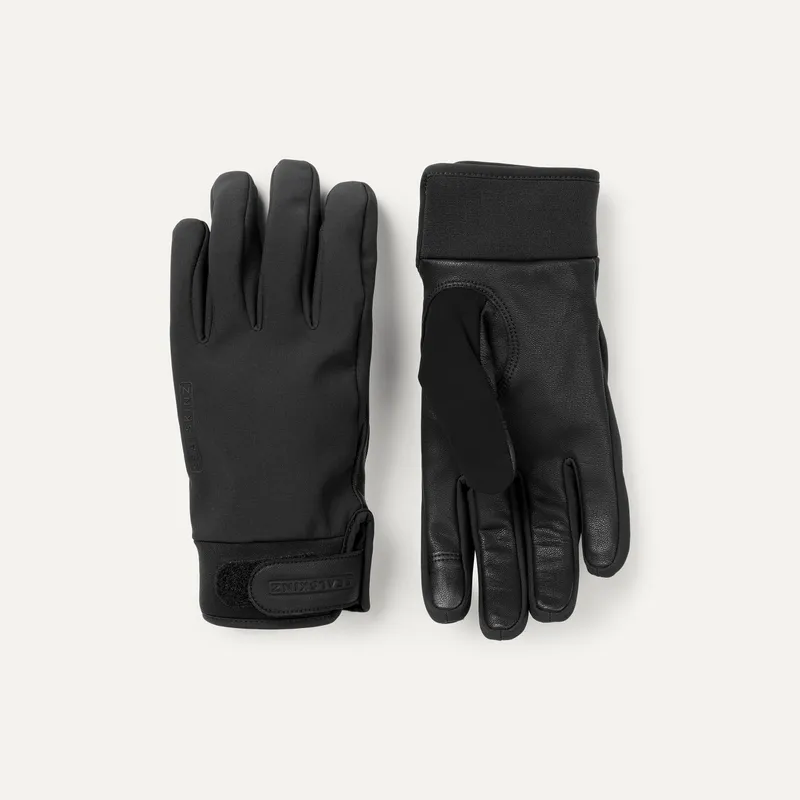 Official manufacturer image
 Official manufacturer image
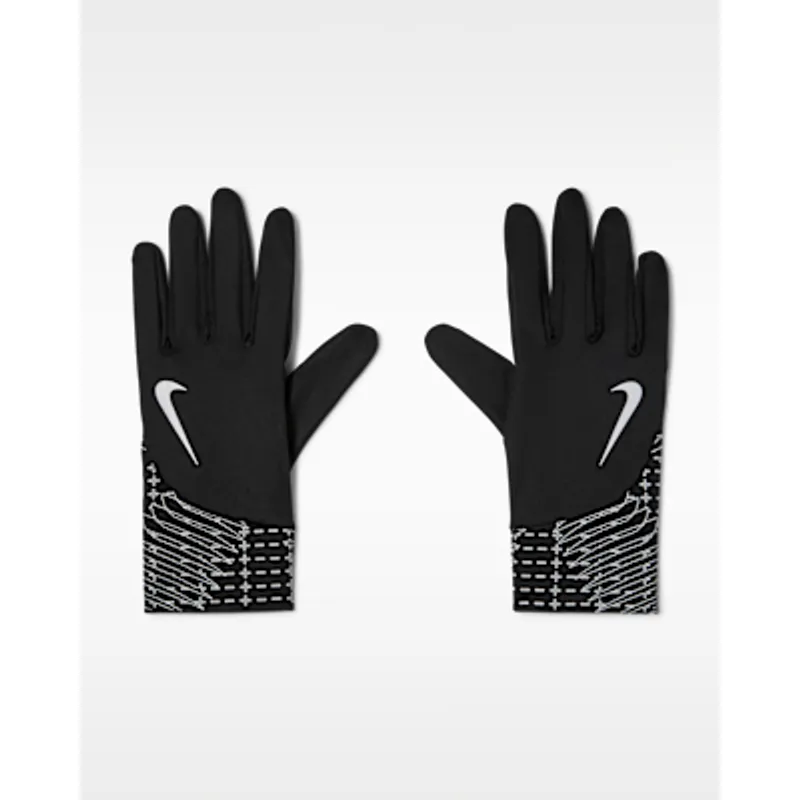 Official manufacturer image
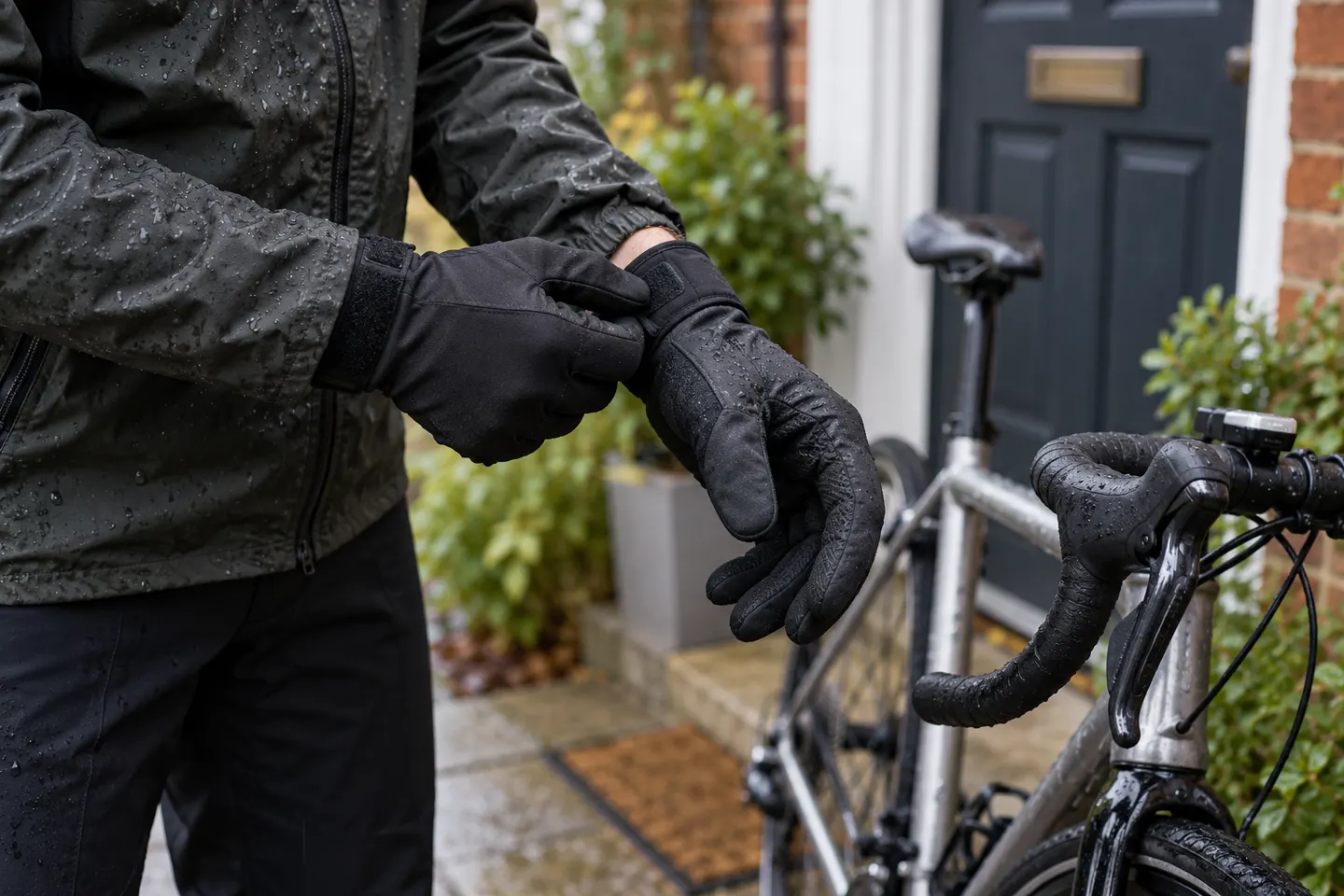 Cycling men
 Cycling
 Mountain bike
 Cycling riding
 Bike cycling