







 Official manufacturer image
Our picks
Top picks
Official manufacturer image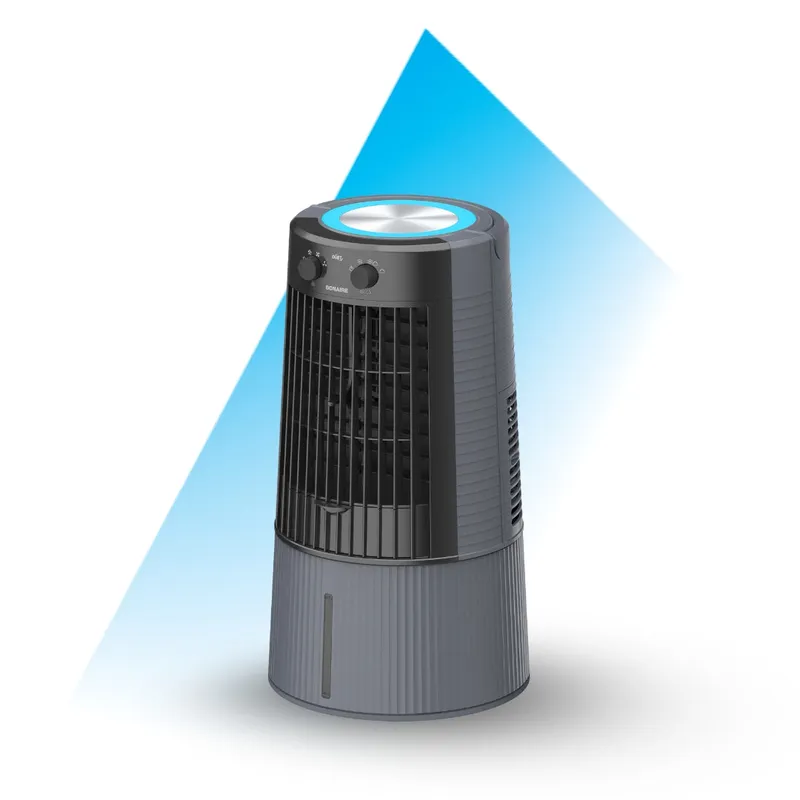 Official manufacturer image
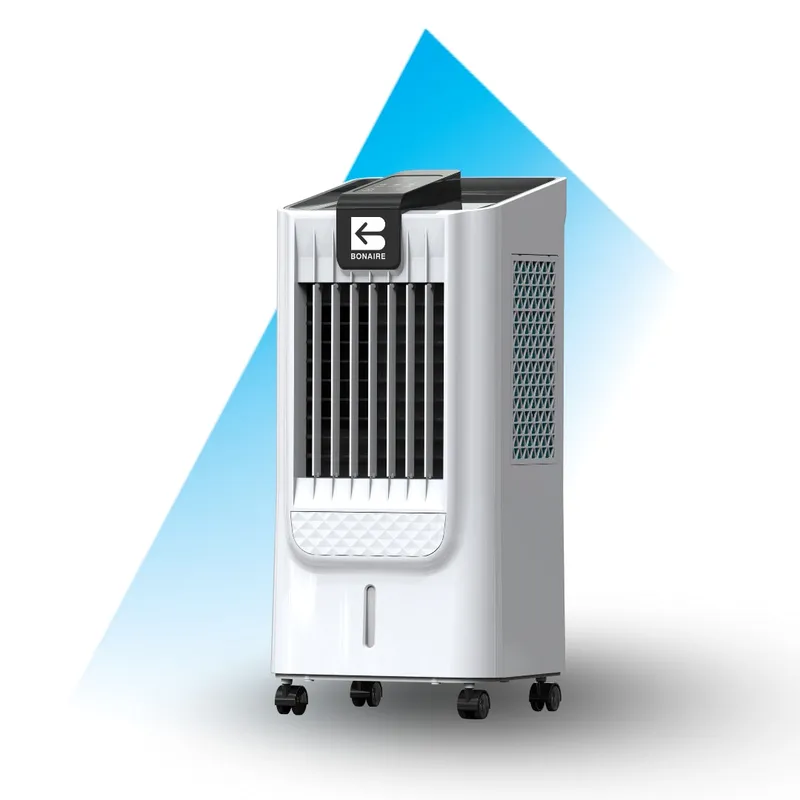
Bonaire Duet Portable Evaporative Air Cooler 6L
Check price on Amazon AUCommon questions
Questions before you buy
Are evaporative coolers energy efficient?
They can use less electricity than refrigerated air conditioning because they move air and evaporate water instead of running a compressor. Actual consumption varies by model and setting, and performance depends on dry air and ventilation.
How do I compare air cooler electricity use?
Look for the rated power input in watts on the manufacturer specification or energy label, then compare products at similar airflow settings and expected hours of use.
Does a bigger water tank make a cooler more efficient?
Tank capacity affects refill frequency, not necessarily electricity use or cooling efficiency. Check power input and airflow separately.
Can an evaporative cooler save energy in humid weather?
It may use modest electricity, but humid conditions limit evaporation and can make the room feel clammy. Select equipment suited to your climate rather than relying on energy use alone.