







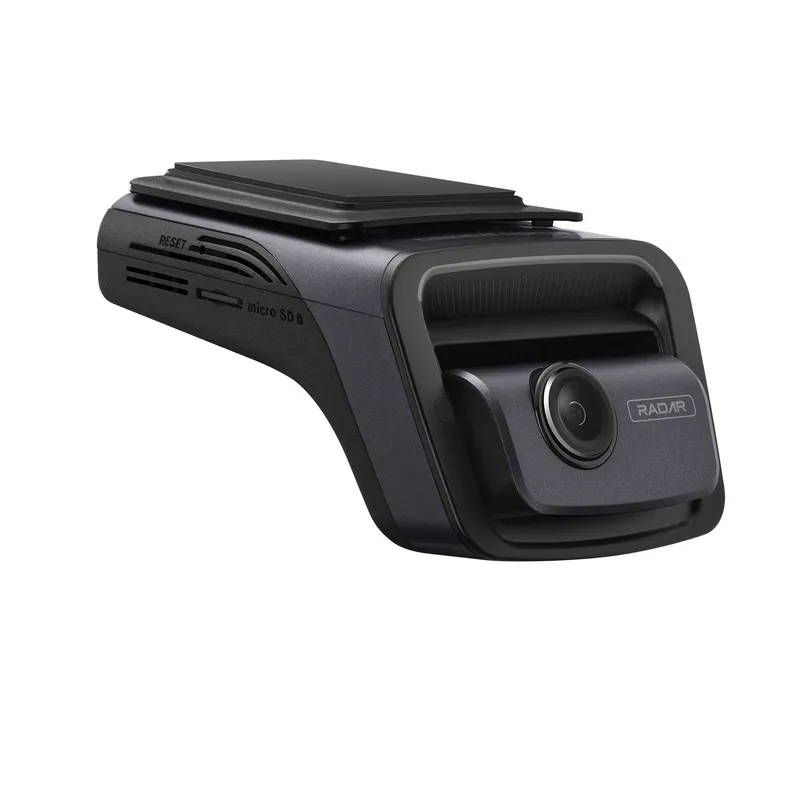
 Official manufacturer image
Our picks
Top picks
Official manufacturer image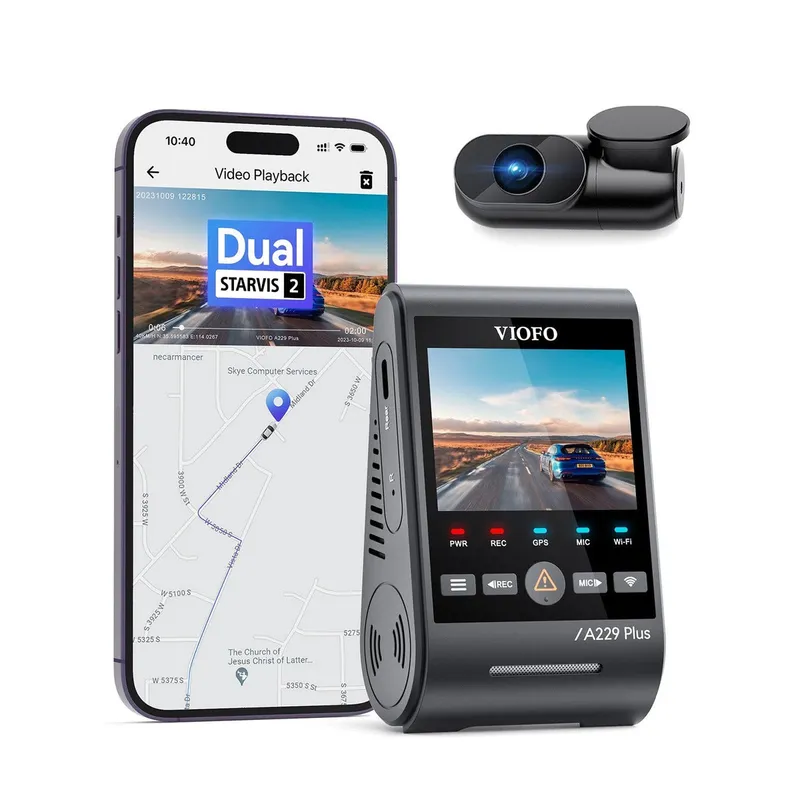 Official manufacturer image
VIOFO A229 Plus 2CH
Check price on Amazon AU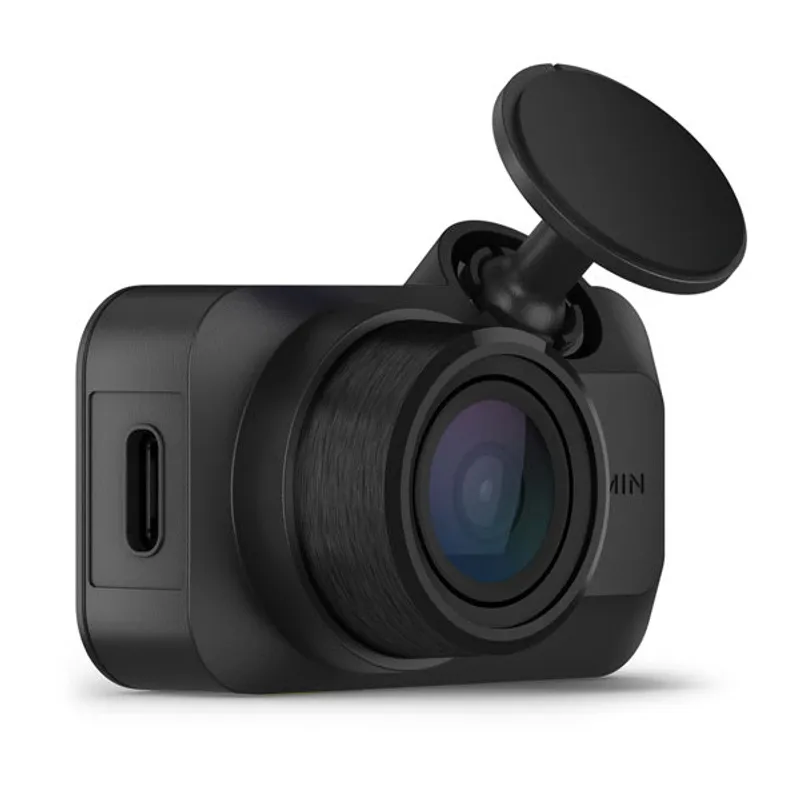 Official manufacturer image
Garmin Dash Cam Mini 3
Check price on Amazon AUInstallation and accessories
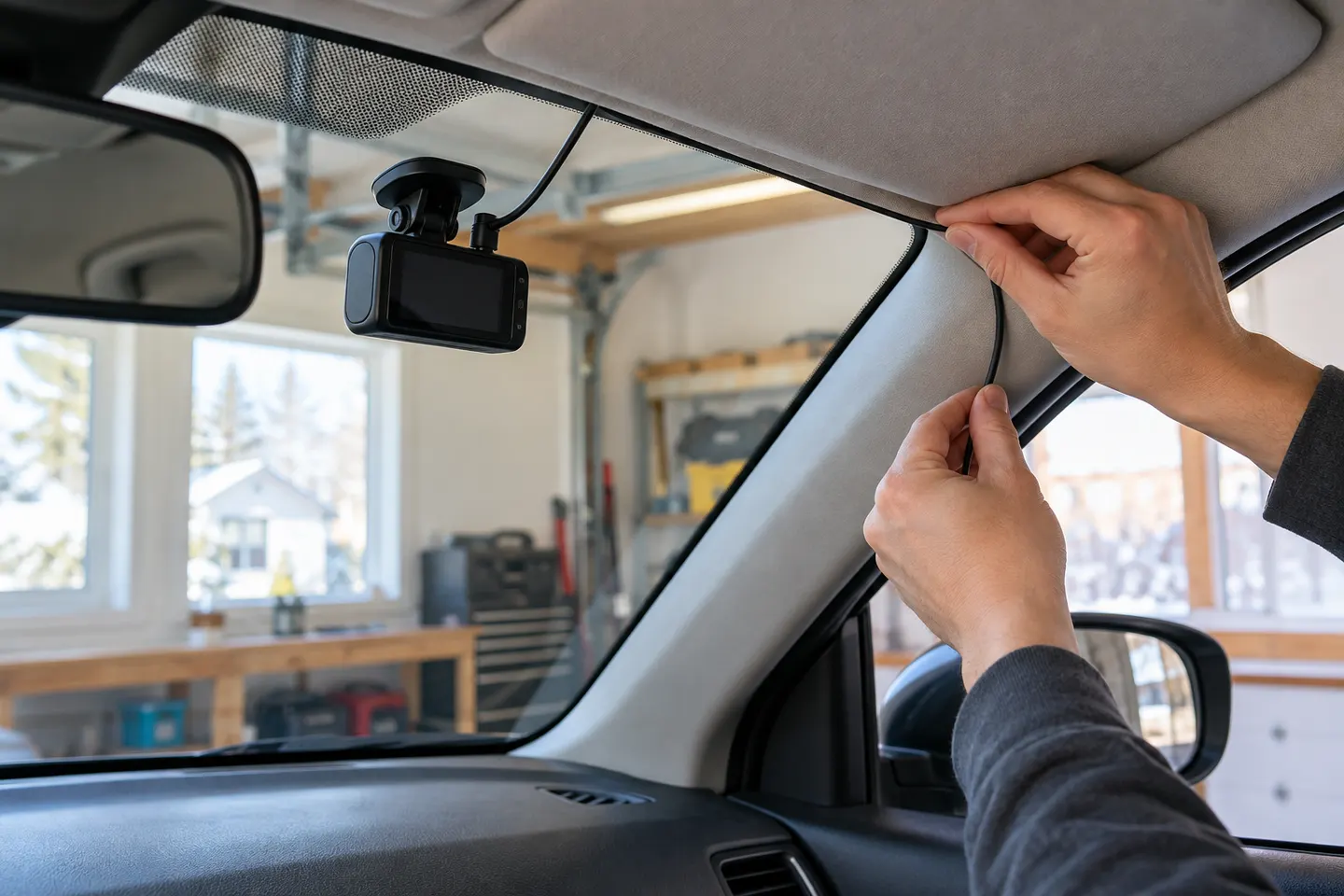 Install
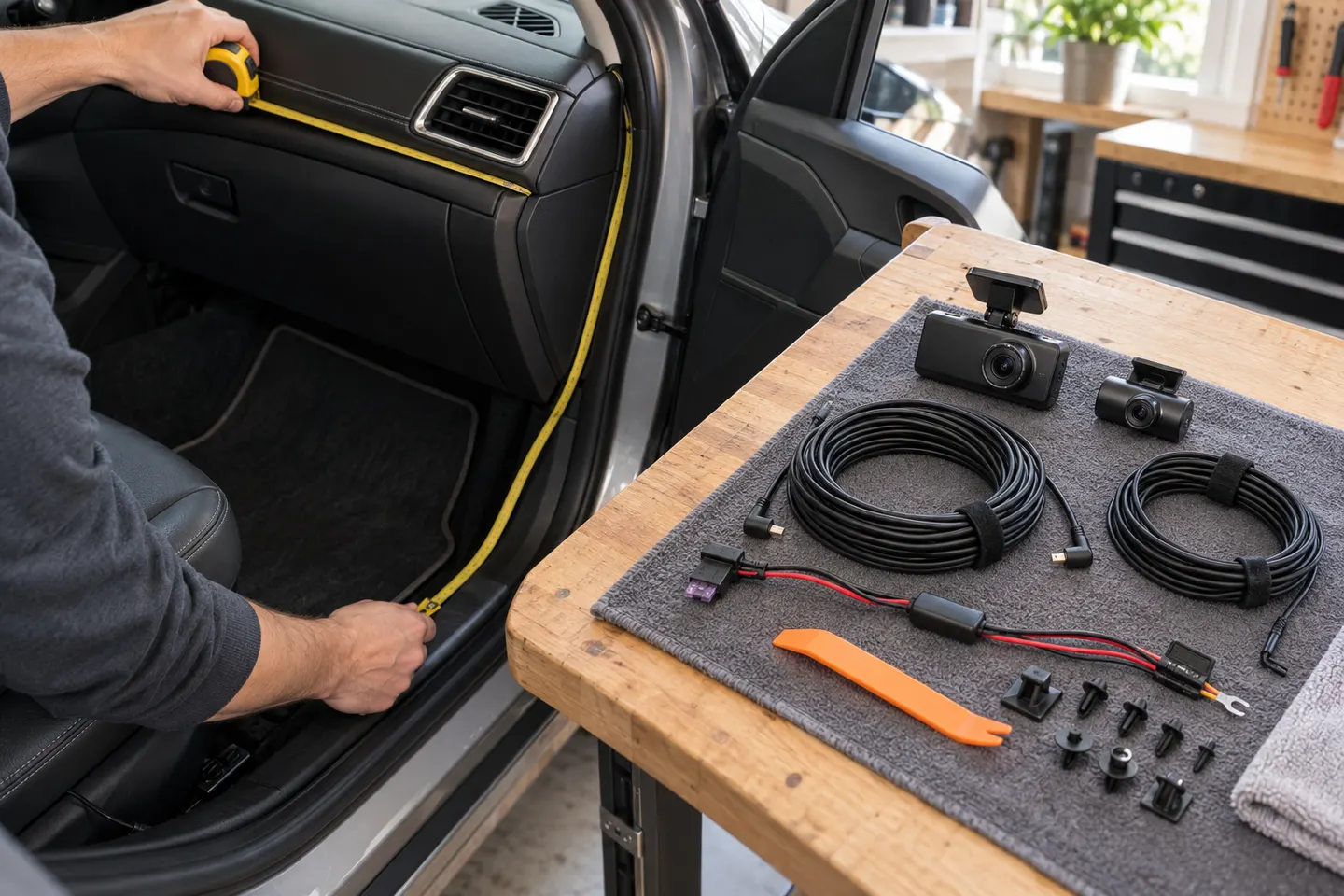 Install cost
Show all (7)
How-to guides
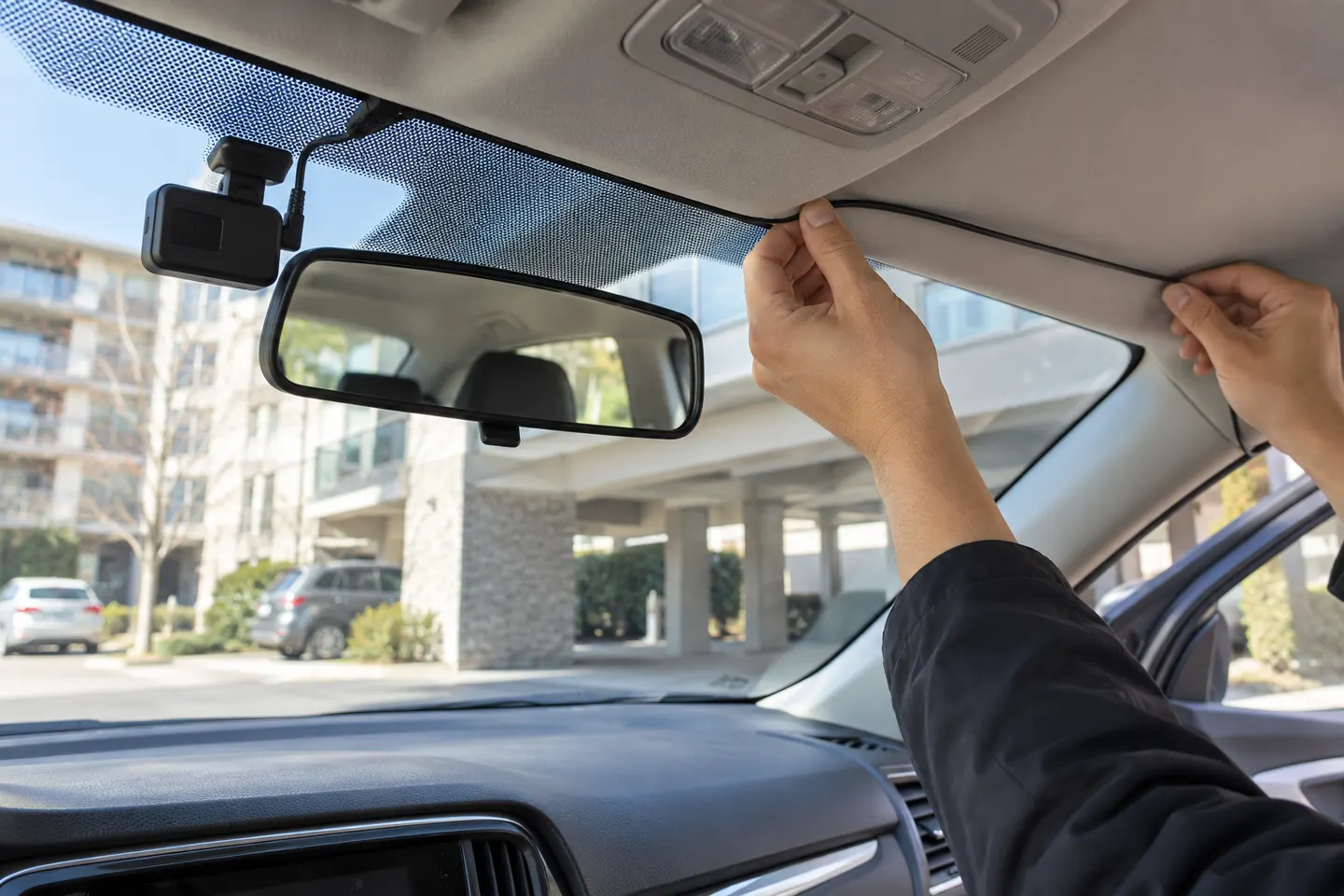 Dash Cam
Common questions
Questions before you buy
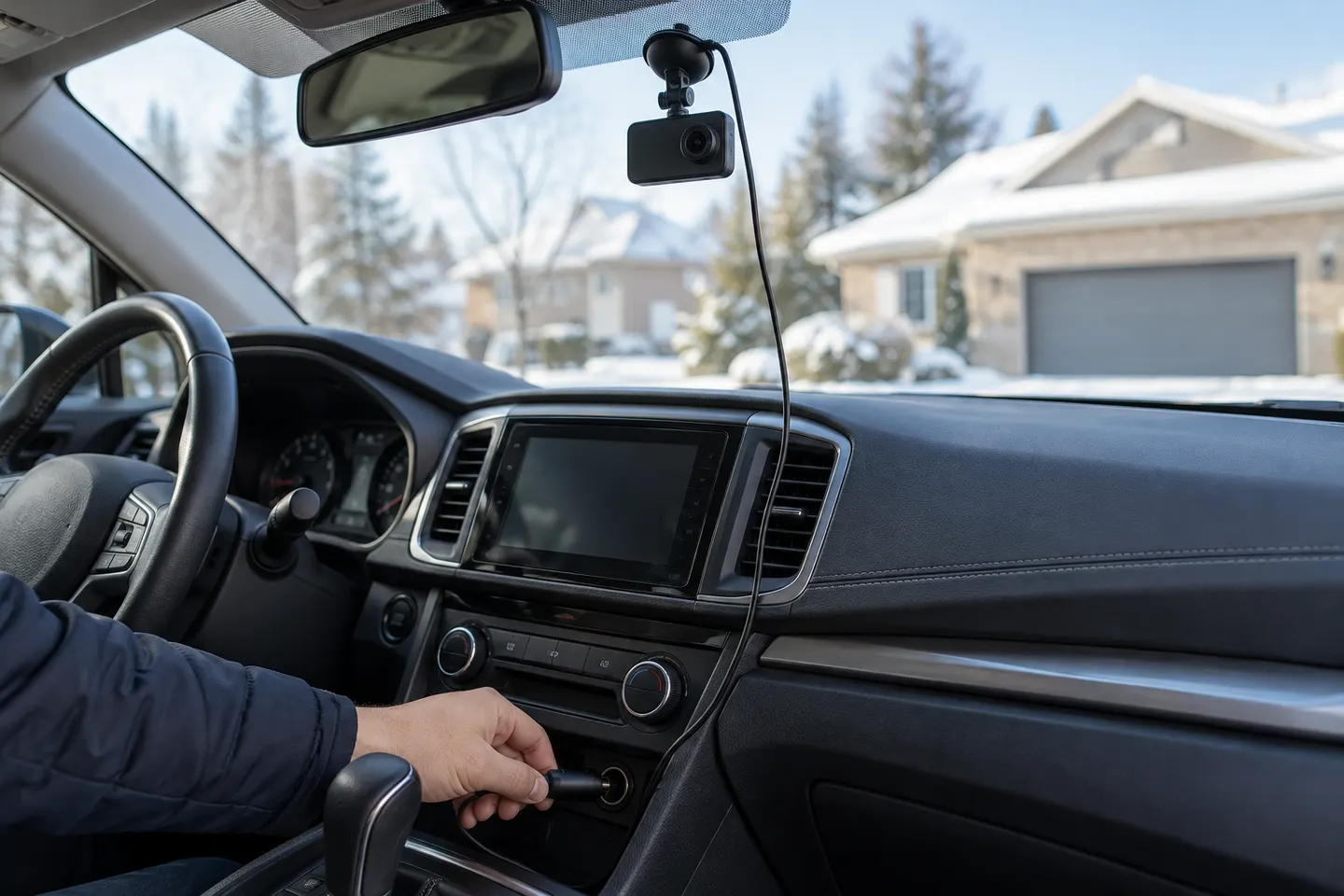
Can I install a dash cam myself?
Yes, a plug-in front camera is often manageable with its supplied instructions. Stop and use a qualified installer if trim removal, airbags or the fuse box make the route uncertain.
Where is the simplest place to mount a dash cam?
High on the windscreen, commonly behind the rear-view mirror, keeps the camera discreet and can reduce obstruction. Confirm the position complies with the rules where the vehicle is registered.
Does an easy-install dash cam need hardwiring?
No. Standard driving recording can usually run from a vehicle power socket, while parking mode often needs a compatible hardwire or constant-power accessory.
Is a rear dash cam difficult to install?
It takes longer because its cable must reach the rear window without crossing moving trim or airbag deployment paths. Hatchbacks also need enough cable flexibility for the tailgate.