







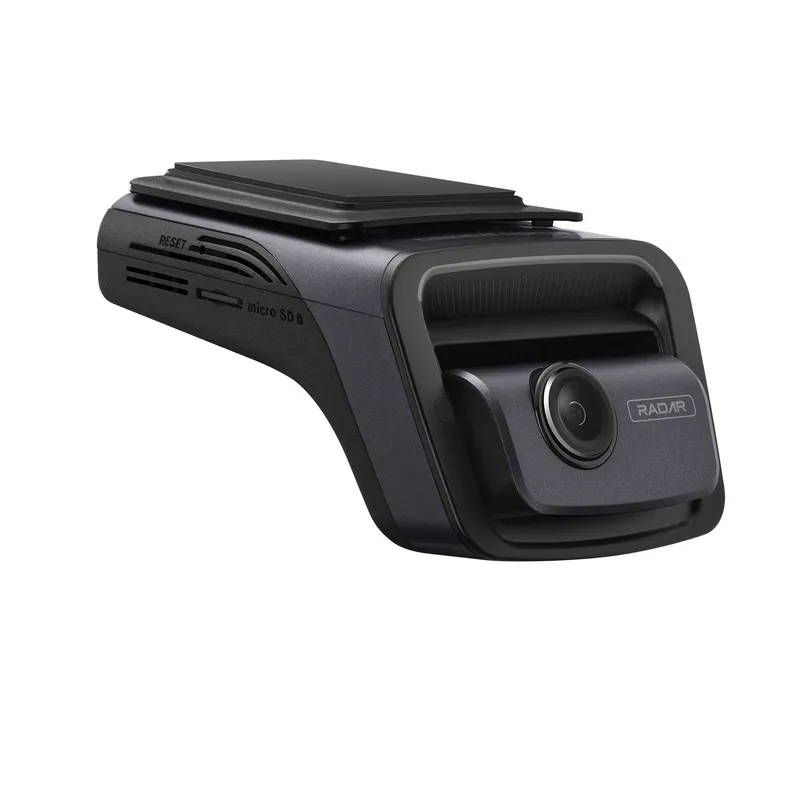
 Official manufacturer image
Our picks
Top picks
Official manufacturer image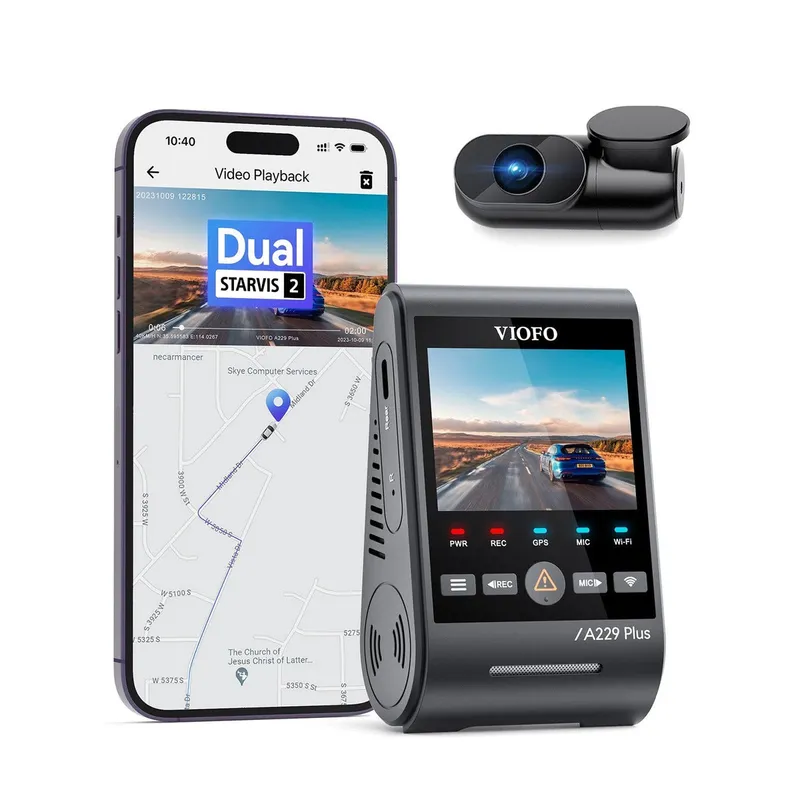 Official manufacturer image
VIOFO A229 Plus 2CH
Check price on Amazon AU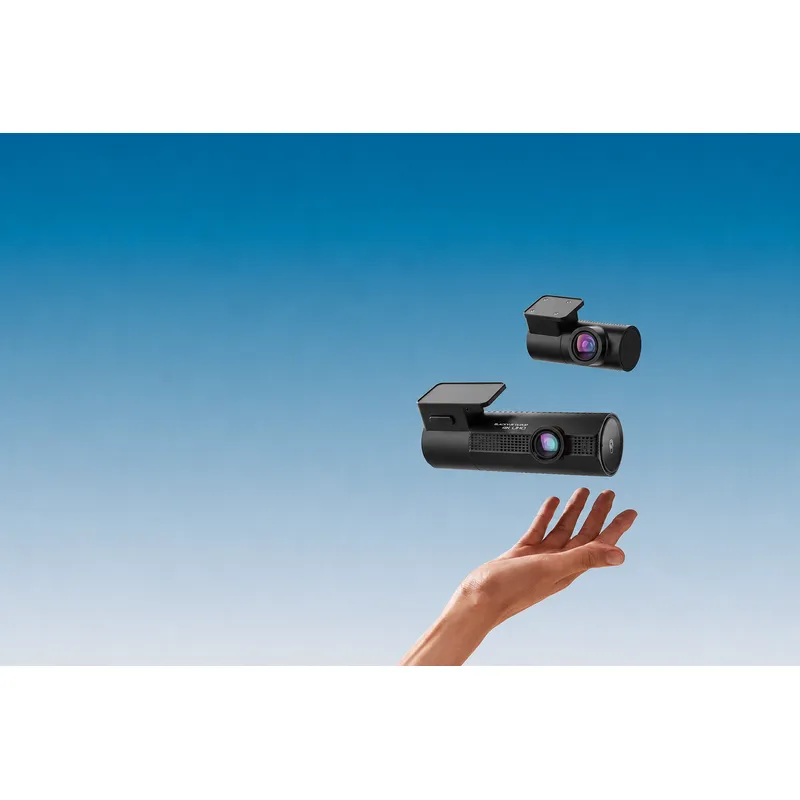 Official manufacturer image
BlackVue DR970X-2CH Plus
Check price on Amazon AUInstallation and accessories
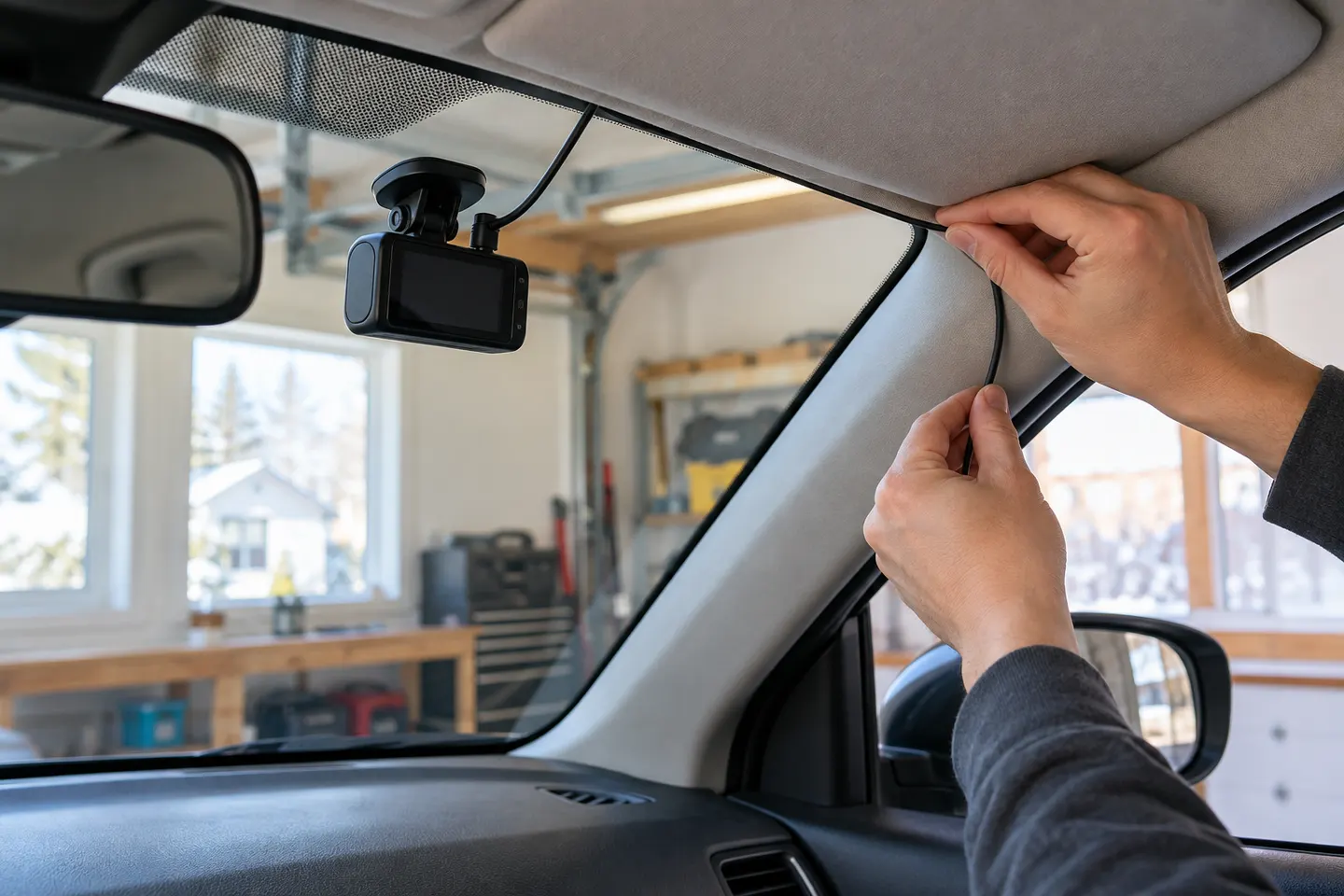 Install
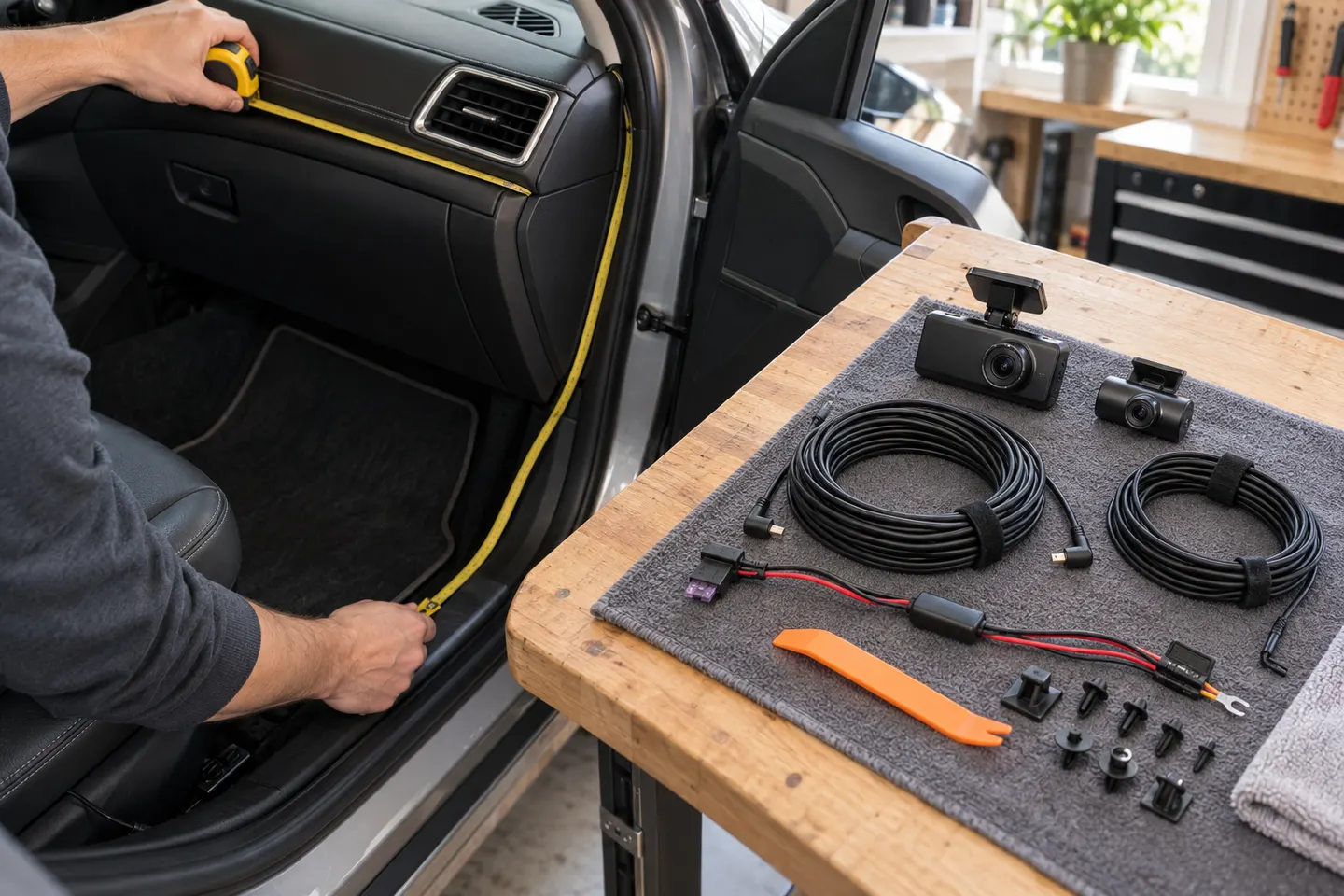 Install cost
Show all (7)
How-to guides
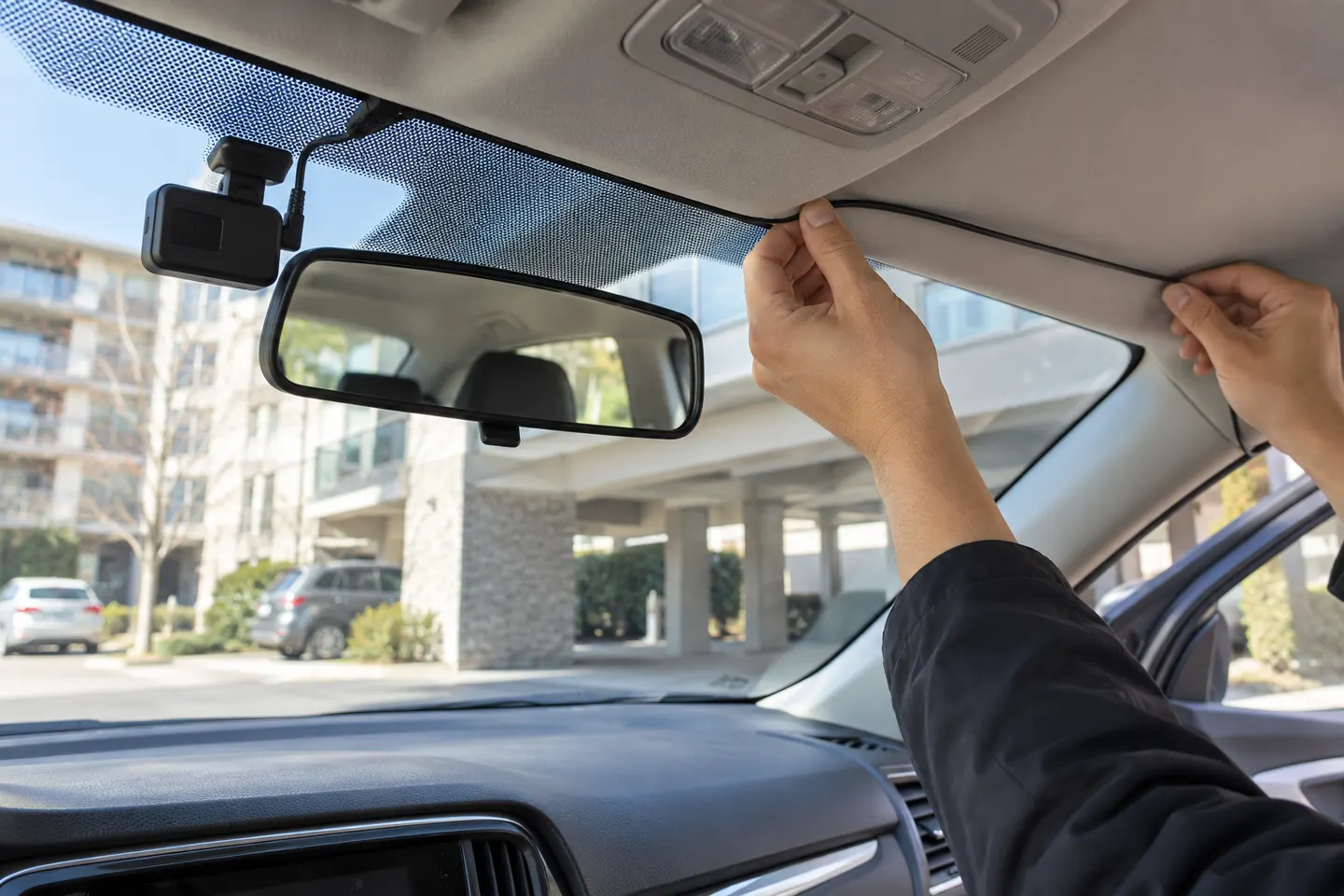 Dash Cam
Common questions
Questions before you buy
What type of dash cam is easiest to install?
A front-only model powered from an accessory socket is generally easiest because it avoids rear-camera and fuse-box wiring.
Can I install a dash cam without hardwiring?
Yes. Many cameras include a plug-in lead for recording while the vehicle supplies accessory power. Parking recording may be limited or unavailable.
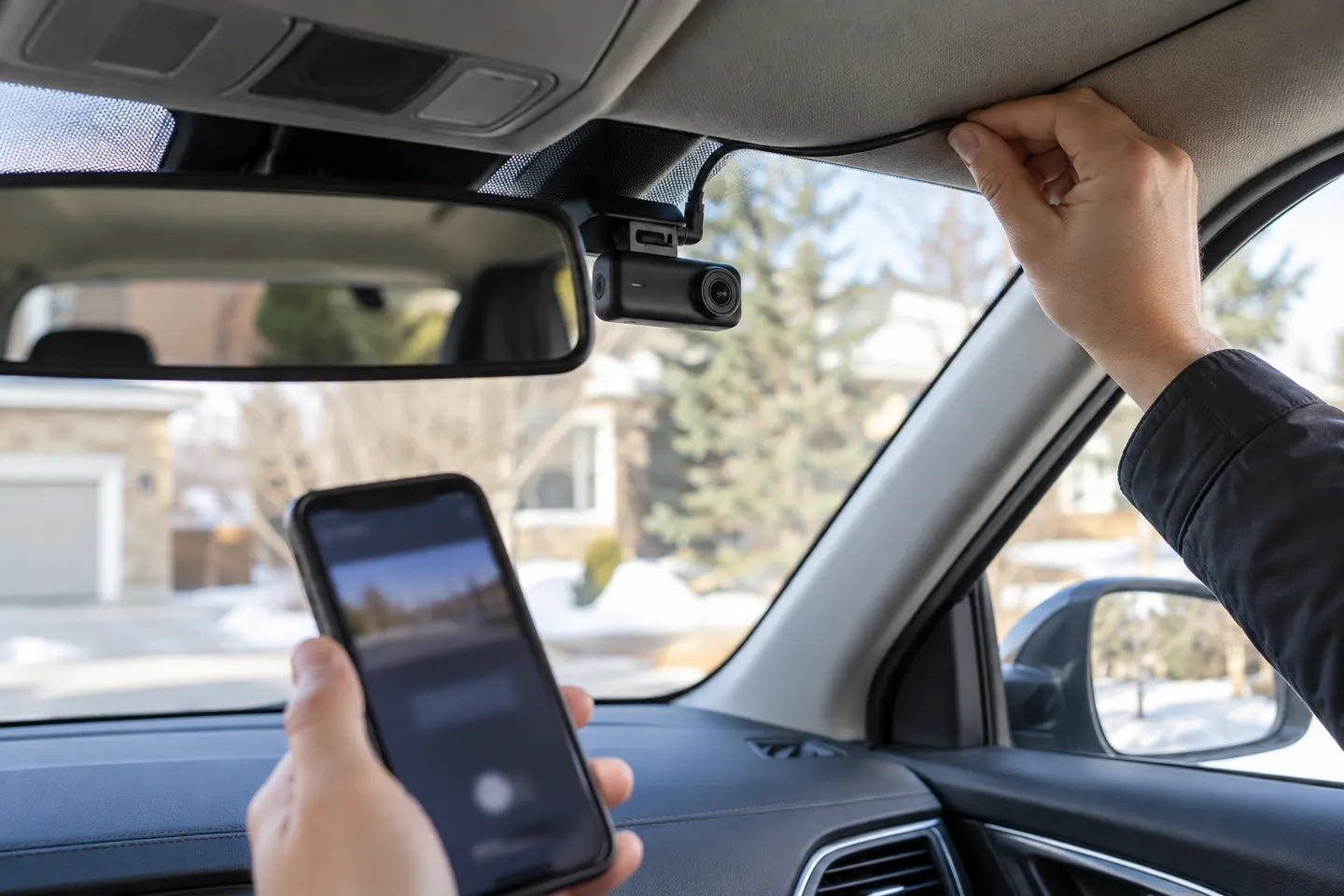
Can I hide the cable myself?
You can route it along trim edges, but do not place it over an airbag or force it into trim that houses safety equipment. Use a professional if the route is unclear.
Does a rear dash cam take longer to fit?
Usually. The interconnecting cable must reach the rear window, and hatchback or wagon tailgates can make a neat, safe route more complex.