







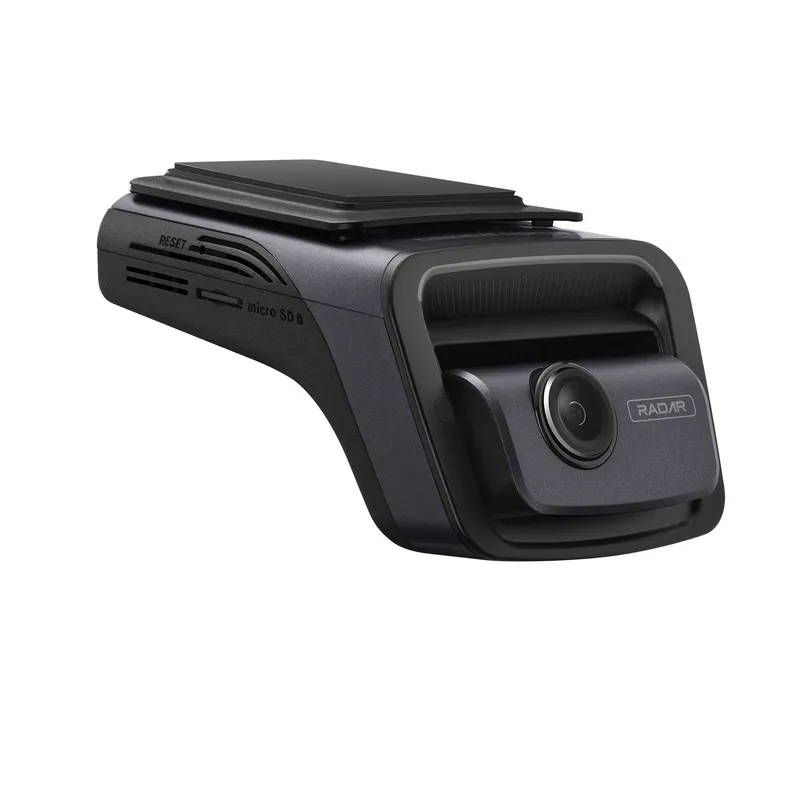
 Official manufacturer image
Our picks
Top picks
Official manufacturer image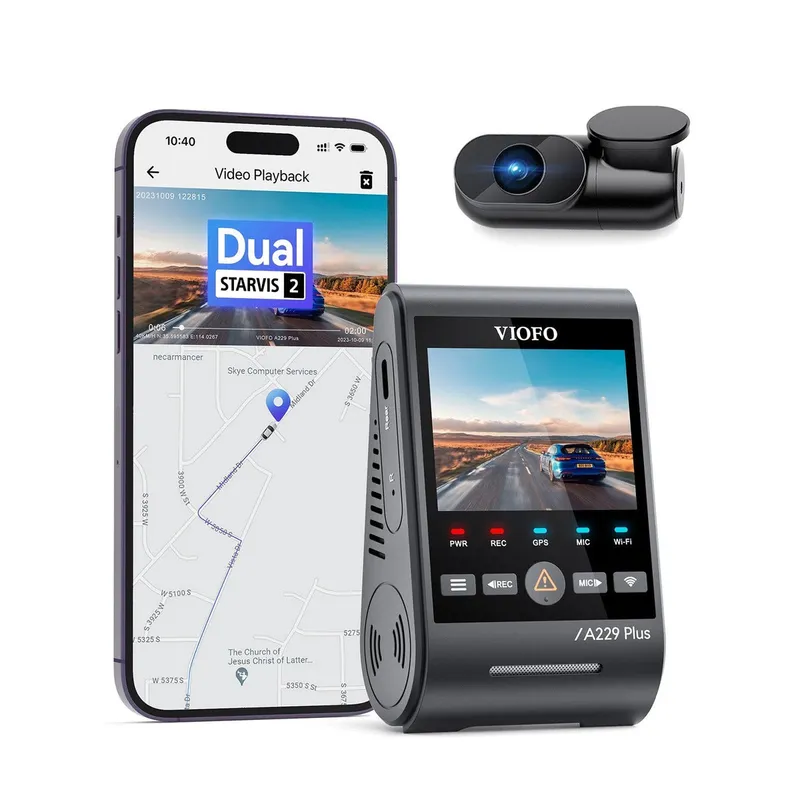 Official manufacturer image
VIOFO A229 Plus 2CH
Check price on Amazon AU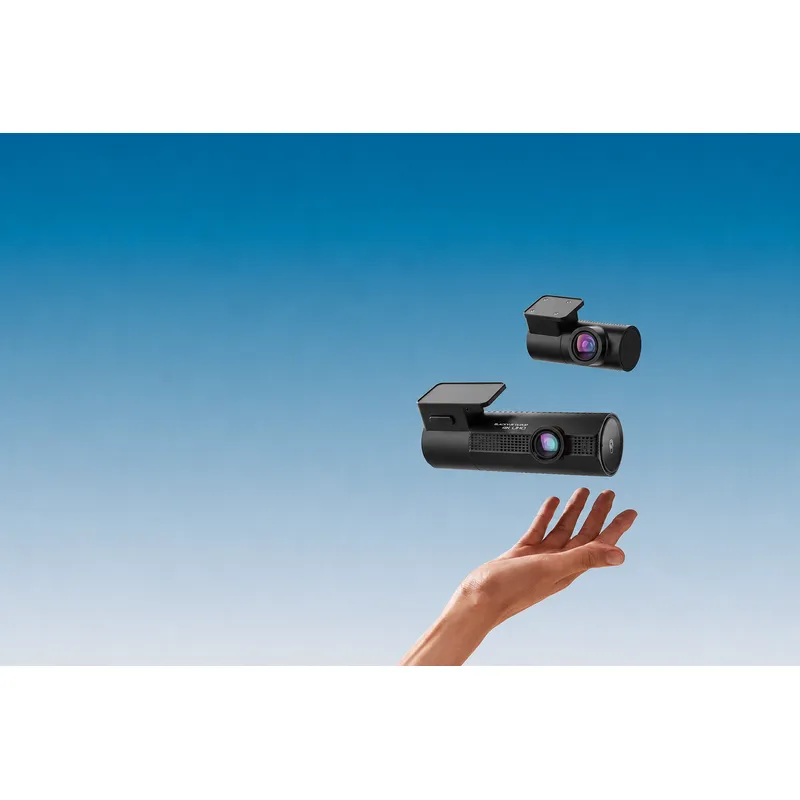 Official manufacturer image
BlackVue DR970X-2CH Plus
Check price on Amazon AUInstallation and accessories
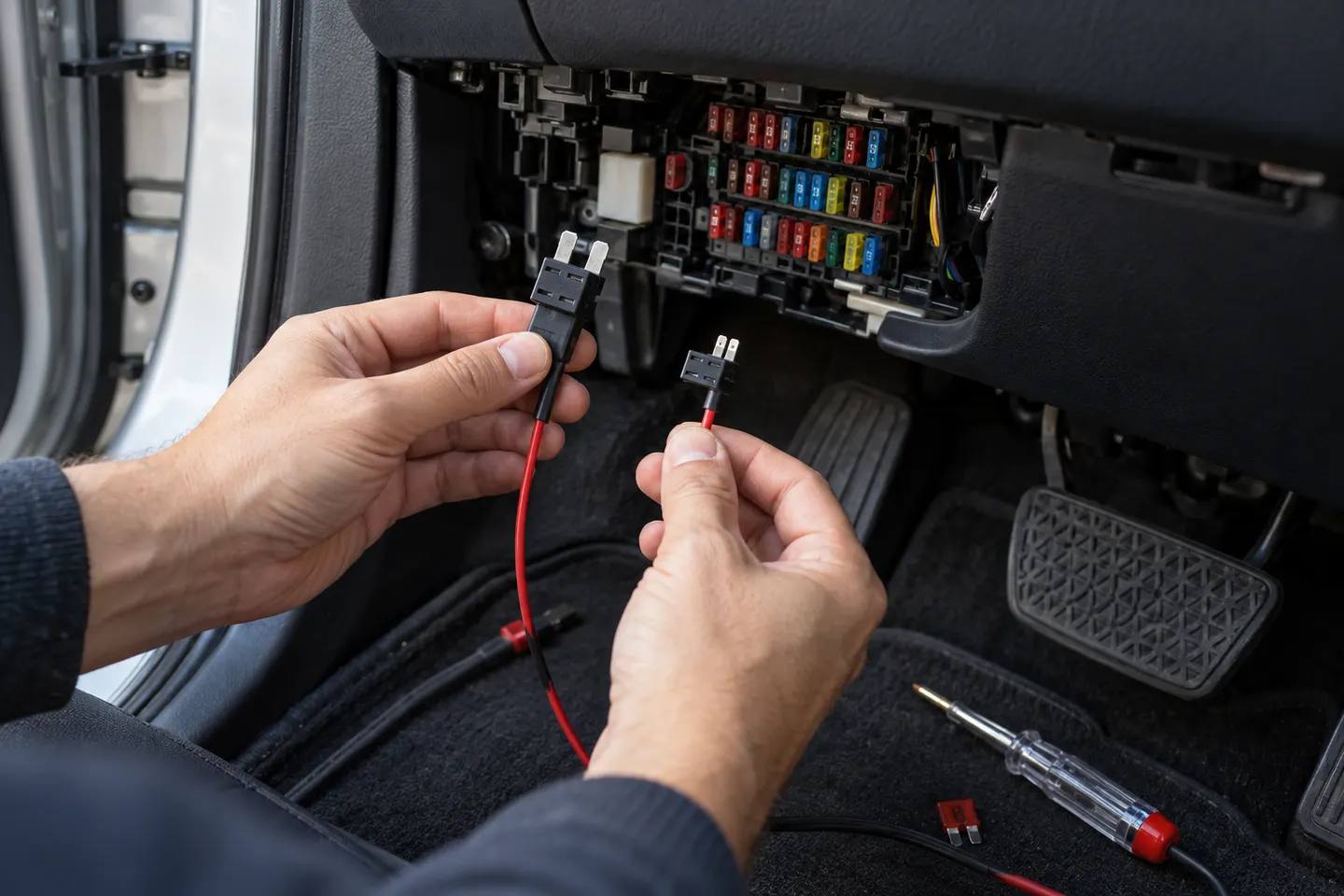
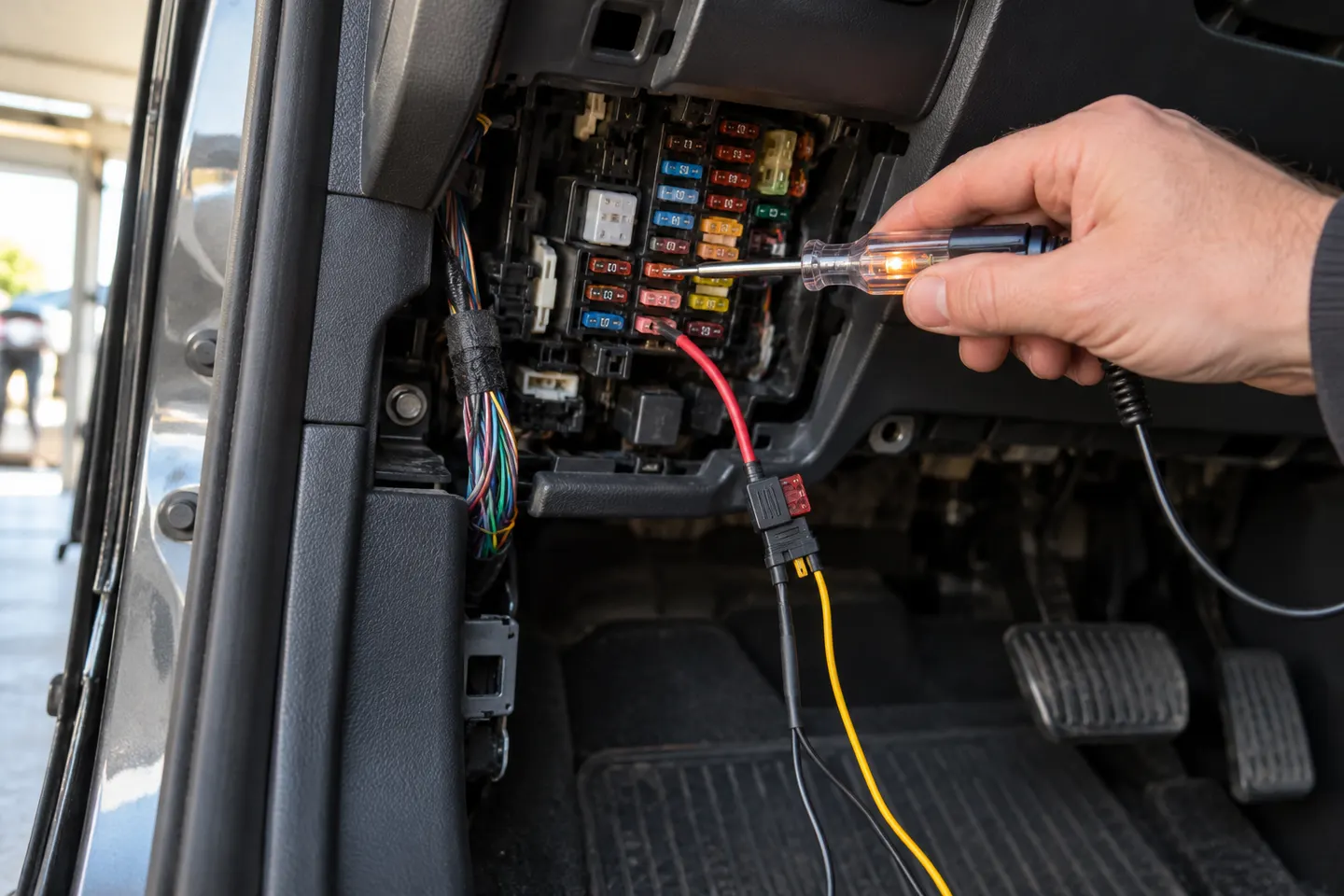 Fuse tap
Common questions
Questions before you buy
Which fuse tap do I need for a dash cam?
Inspect the vehicle fuse and confirm its format in the owner's information. Do not choose by appearance alone when low-profile and micro formats are similar.
Can I use any empty fuse slot?
No. An empty position may lack terminals or be reserved for another configuration. Verify the circuit and manufacturer information first.
Does fuse-tap direction matter?
Yes. Orientation affects how the added circuit is protected. Identify the supply side and follow the fuse-tap instructions.
What fuse should I use for a dash cam?
Use the rating specified by the hardwire-kit or camera manufacturer. Never increase a circuit fuse to solve repeated blowing.