







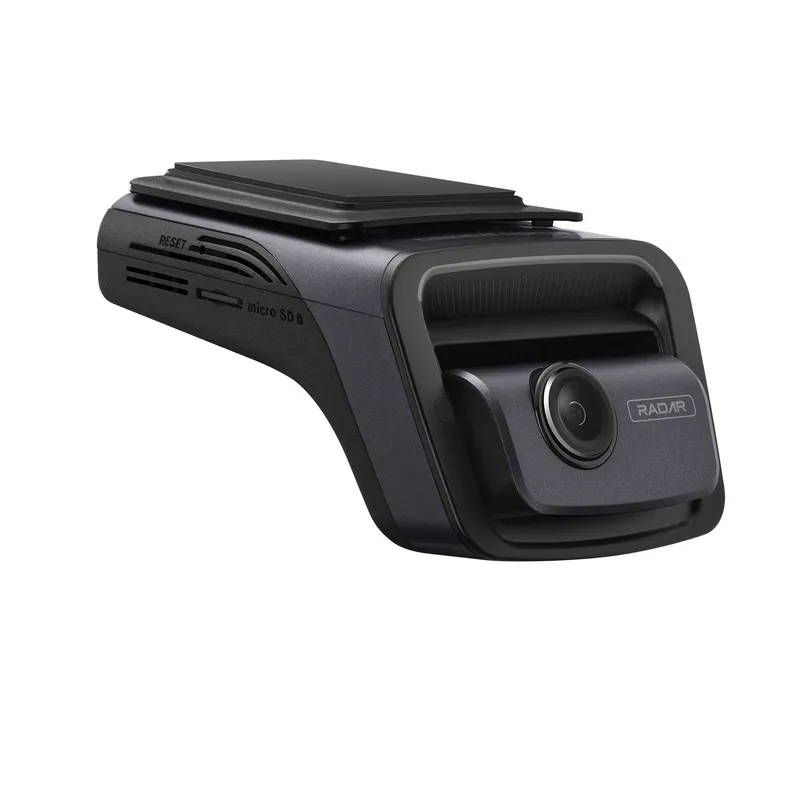
 Official manufacturer image
Our picks
Top picks
Official manufacturer image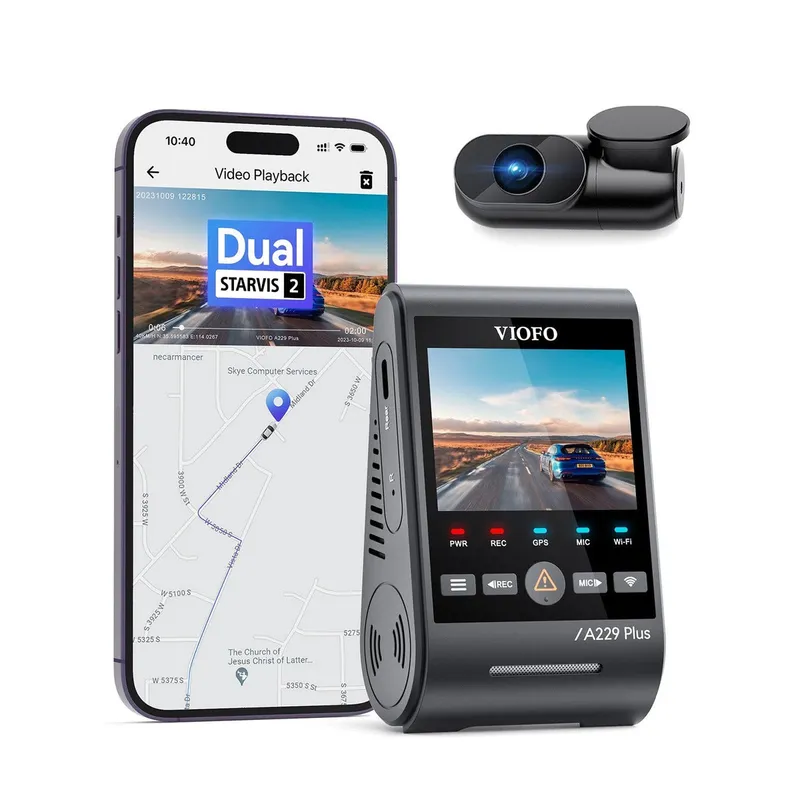 Official manufacturer image
VIOFO A229 Plus 2CH
Check price on Amazon AU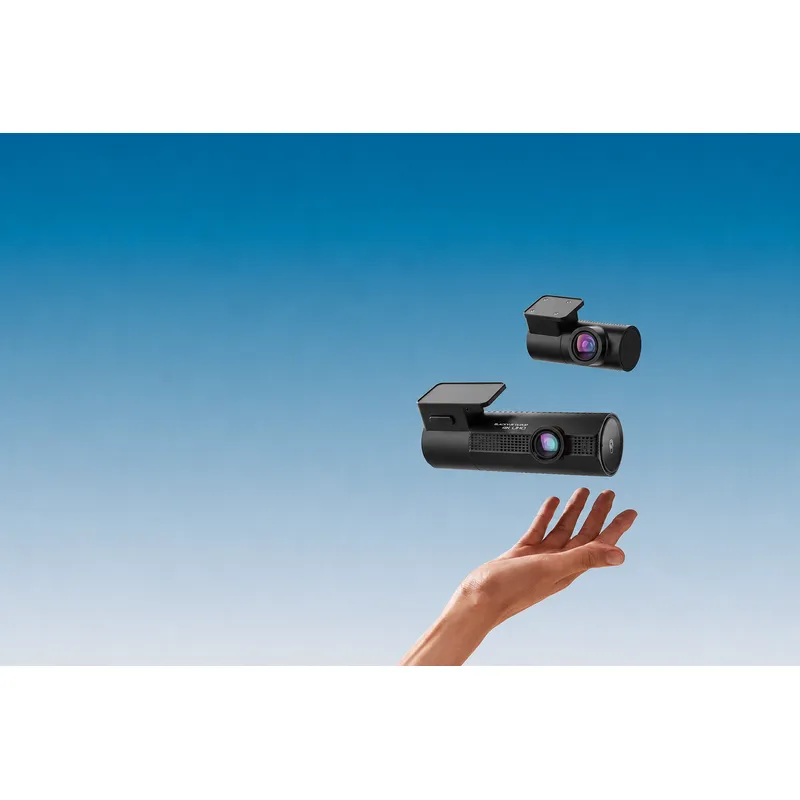 Official manufacturer image
BlackVue DR970X-2CH Plus
Check price on Amazon AUBy feature
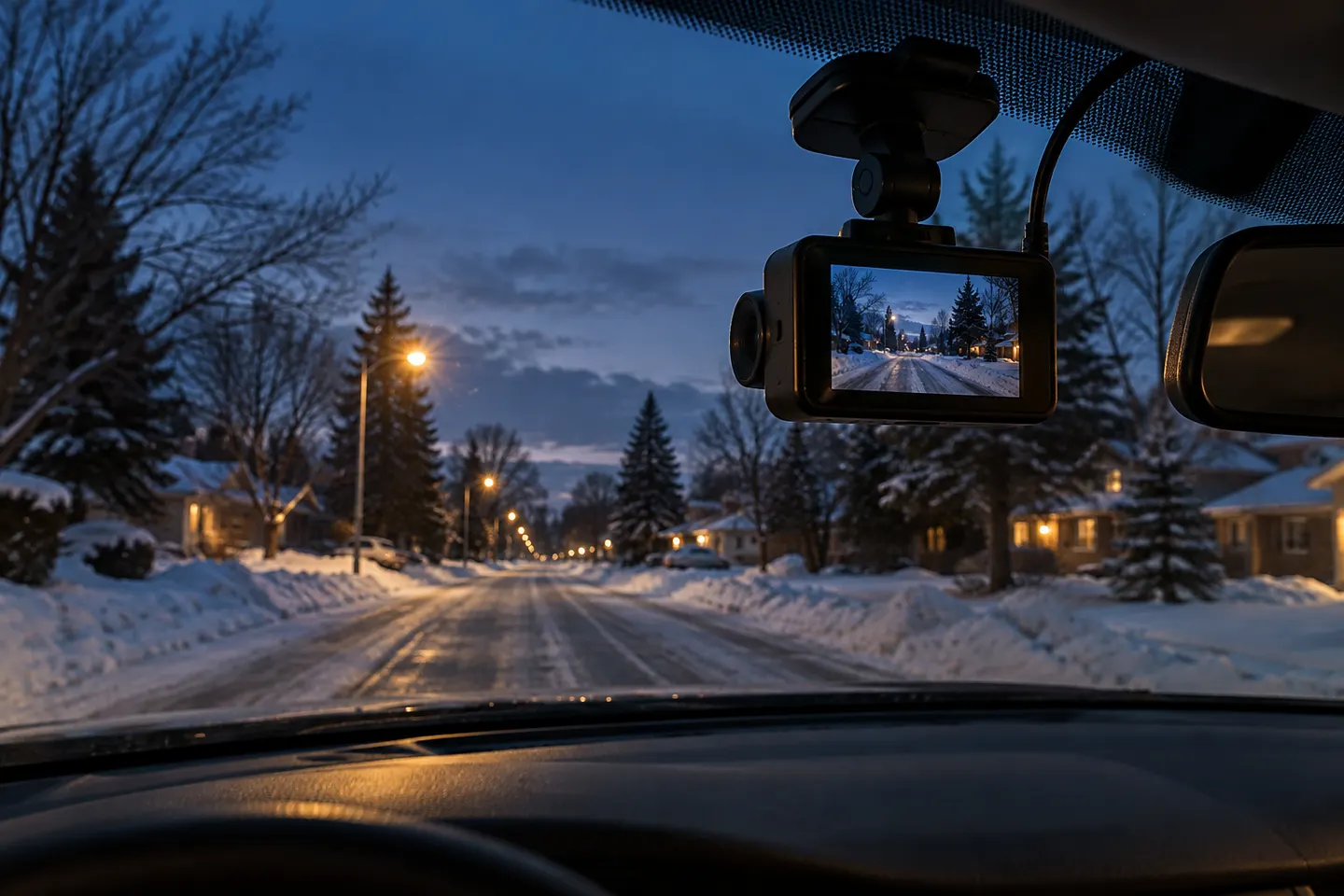 Night vision
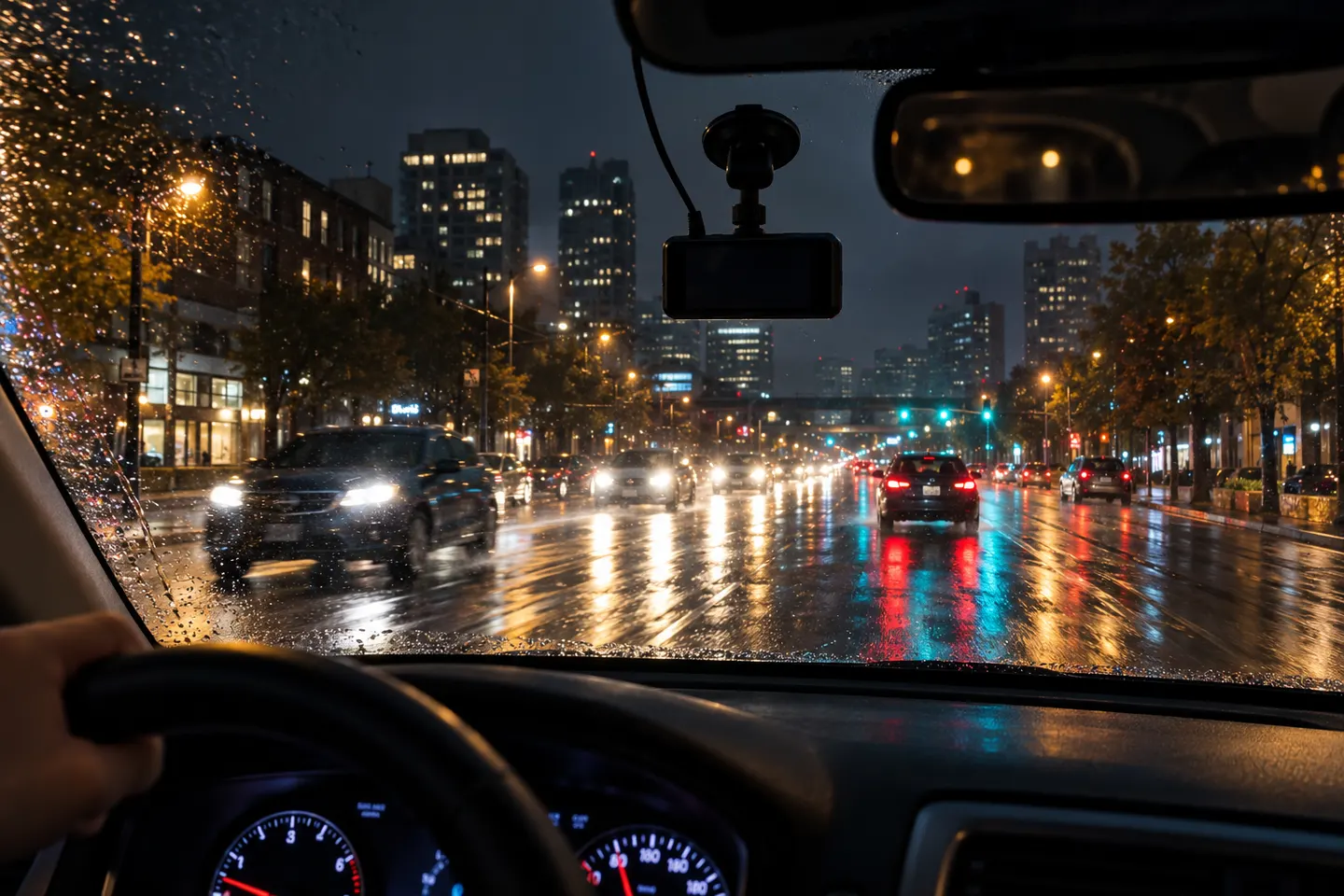
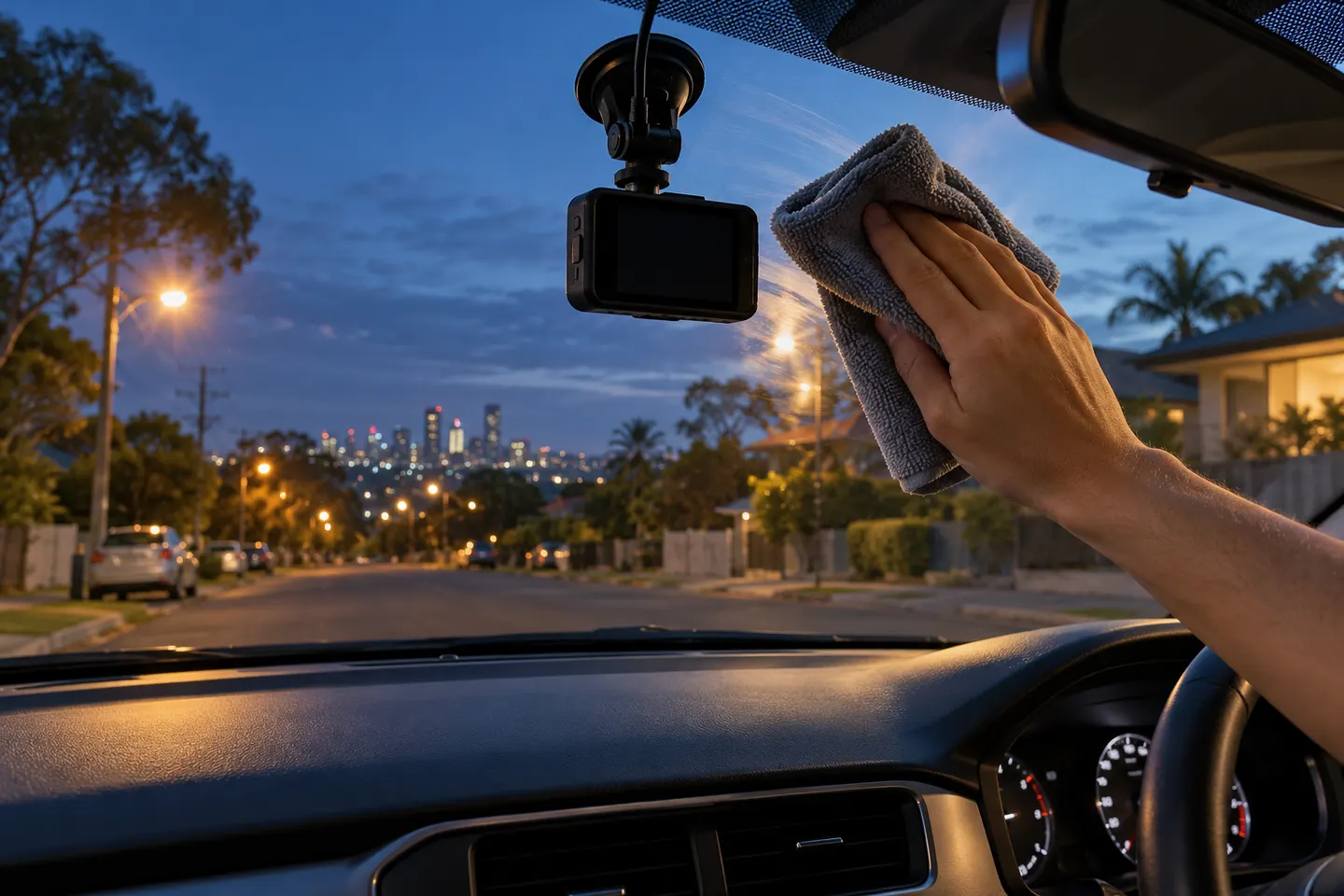 At night
Common questions
Questions before you buy
Can dash cams see clearly at night?
They can record useful night footage, but clarity varies with lighting, speed, exposure, windscreen condition and the camera's image processing.
Does 4K make a dash cam better at night?
Not by itself. Sensor size, exposure, lens, bitrate and HDR handling can matter as much as output resolution in low light.
Do dash cams need infrared for night driving?
Front road cameras normally use visible light. Infrared is most useful for filming a dark cabin, not for illuminating the road through the windscreen.
Why are number plates white at night on my footage?
Reflective plates can overexpose under headlights. HDR and exposure control may help, but speed and angle can still prevent a readable frame.