







 Official manufacturer image
Our picks
Top picks
Official manufacturer image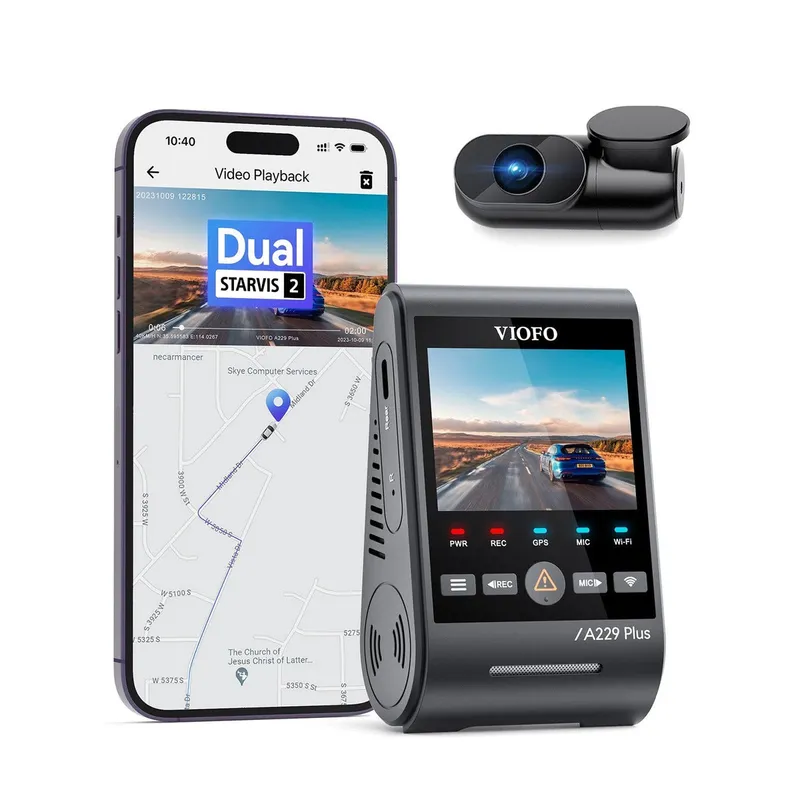 Official manufacturer image
VIOFO A229 Plus 2CH
Check price on Amazon AU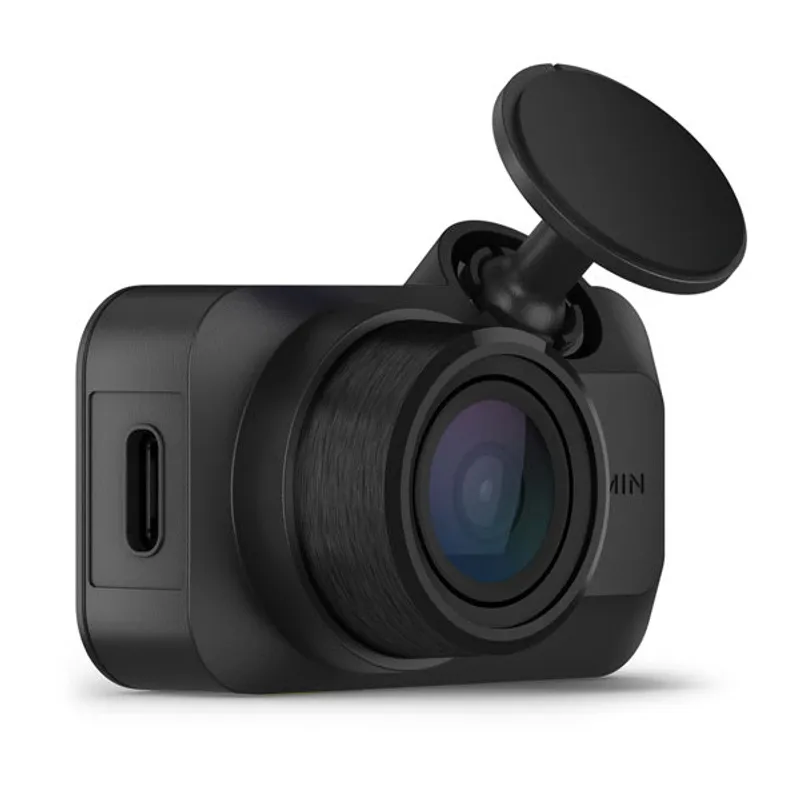 Official manufacturer image
Garmin Dash Cam Mini 3
Check price on Amazon AUCommon questions
Questions before you buy
Is a dash cam better with a screen?
A screen is better for direct aiming and playback; a screenless design is usually more discreet. Recording quality depends on the camera system, not the display.
Can a dash cam screen stay on while driving?
Many models can dim or switch off the display while continuing to record. Use that setting if the screen is distracting and follow the manual.
Can a dash cam screen show the rear camera?
Some dual-channel models and smart monitors can show the rear feed. Confirm whether it is a live view, reversing aid or playback-only function.
What screen size is best for a dash cam?
Choose the smallest display you can read and operate comfortably without obstructing the road view. Interface clarity matters more than size alone.