Gearjury may earn a commission from qualifying retailer links. Our editorial guidance is based on cited sources.
Guide
How Far Can a Wi-Fi Extender Reach in a Real Home?
A Wi-Fi extender’s practical reach depends on the signal it receives and obstacles between it and your devices. Place it where the router signal remains usable, then check coverage in the room you want to improve.
GGearjury editorial team · Updated 18 October 2026· 4 min
01
Why there is no single range figure
A Wi-Fi extender does not create a fixed-radius bubble. Usable reach depends on the router signal where the extender sits, extender and device radios, building materials, interference and the data rate you need. A manufacturer range claim is a guide, not a promise for every Australian home.
02
Place it where the router still reaches
Put the extender between the router and weak area, with a stable connection back to the router. NETGEAR advises against a location the router signal cannot reach; a device cannot relay a useful connection it never receives.
03
Walls and floors change the result
Dense walls, floors, metal cabinetry and appliances can weaken a radio link. Try an open position and compare signal at the problem device location. A hallway may work better than placing the unit behind a television or inside a cabinet.
04
Measure the area that matters
Check the connection in the actual room and with the device you plan to use. Inspect the extender signal indicator or app guidance, then move it in small increments. Coverage at one phone does not guarantee the same result for a laptop or outdoor device.
05
When an extender is the wrong fix
If the router-to-extender link is weak across a large home, a second access point connected by Ethernet or a mesh system may suit the layout better. For a detached building, use equipment designed for that environment; a household plug-in repeater is not a guaranteed building-to-building link.
Common questions
Questions before you buy
How far can a Wi-Fi extender reach through walls?
There is no reliable distance for every wall or home. Wall material, floor plan, interference and incoming router signal all affect usable coverage.
Should a Wi-Fi extender be halfway to the dead zone?
A midway point is a starting point only if it still receives a good router signal. Move it closer to the router if its backhaul is weak, then check the target room again.
Can a Wi-Fi extender reach a separate building?
A standard indoor extender may not provide a dependable link across another building. Distance, exterior walls and weather exposure matter; consider an outdoor-rated point-to-point or access-point solution designed for the route.
Does a stronger extender always cover more area?
Not necessarily. The router link, antennas, device radios and obstacles all matter. Compare compatibility and placement guidance rather than relying on one advertised area.
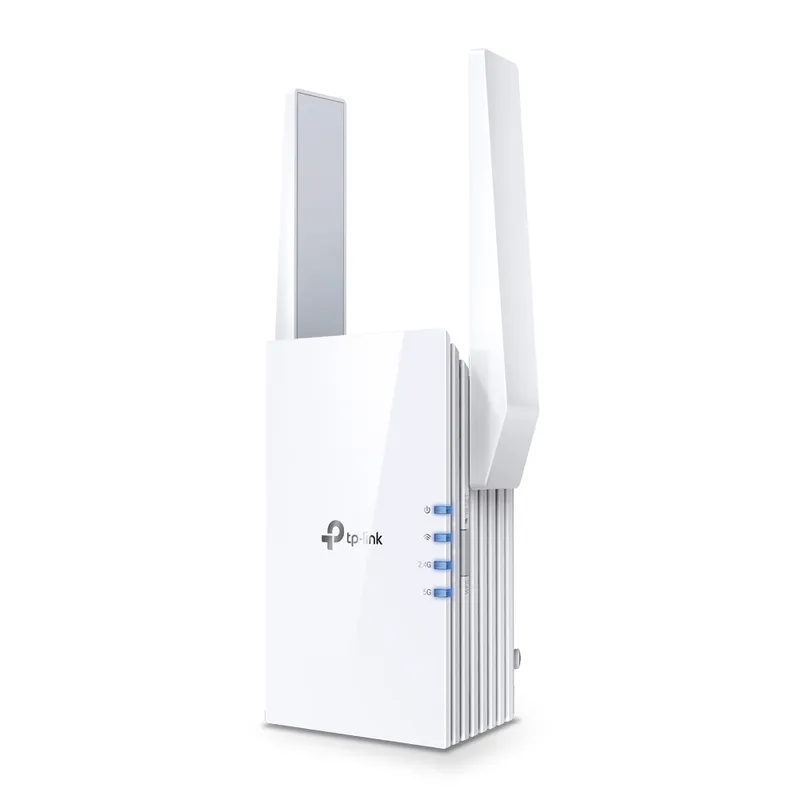
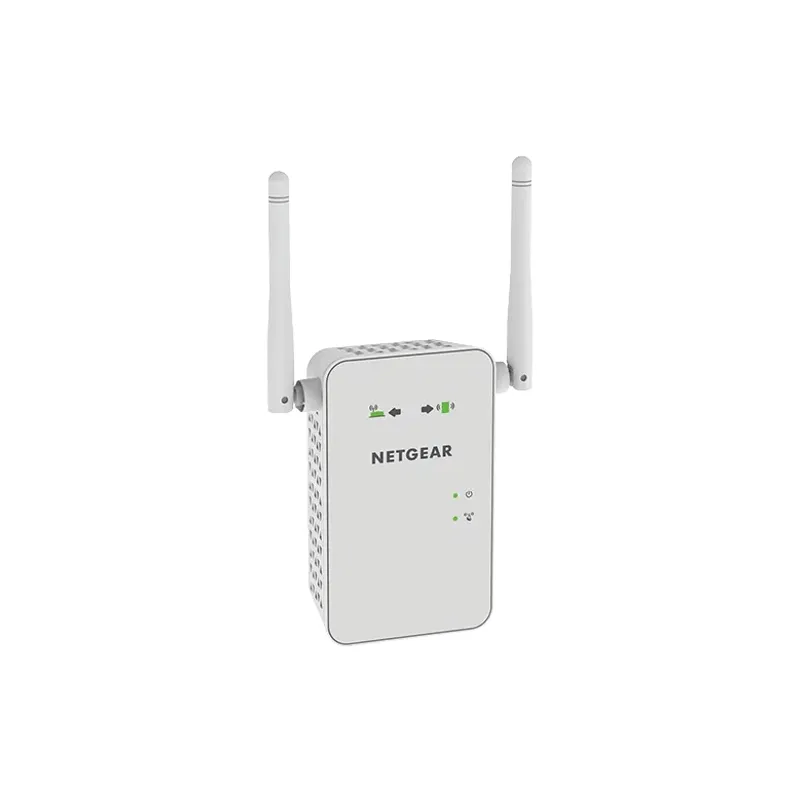
Start with the network standard and location of the dead spot. NETGEAR?s EX6120 is a dual-band AC model, while EAX15 adds WiFi 6; check exact router and firmware compatibility before buying.
The right Wi-Fi extender depends on the router signal at its location, your home layout and whether you need Ethernet, outdoor placement or powerline networking.
A Wi-Fi extender can help reach a weak-signal room when positioned within range of your router. Compare plug-in repeaters, mesh-compatible models, outdoor units and powerline kits by how they connect.
Your privacy
We use cookies and similar technologies. Necessary ones keep the site working. With your permission we also use statistics cookies (Google Analytics and Microsoft Clarity) to understand which guides help readers. You can accept all, reject all or choose. You can change your choice at any time from "Cookie settings" at the bottom of every page. Cookie policy