Why there is no single reach distance
A manufacturer’s coverage description cannot predict the result in every building. Construction materials, neighbouring networks, router position and the client device all affect the link.

 Best picksBest WiFi Extenders in the UK: Compare Five Practical Options
 Best picksThe Best Dashcams in the UK for 2026
 Best picksBest Portable Air Coolers: Five Models to Compare for 2026
 Best picksBest Meat Thermometers in the UK for 2026
 Best picksBest Headlamp Torches in the UK: Five Choices for 2026
 Best picksBest Winter Gloves in the UK: Five Activity-Based Choices for 2026
 Best picksBest Radar Detectors in the UK: Models Compared for 2026
 Best picksBest Value Cordless Strimmers in the UK (2026)
 Best picksBest Air Purifiers in the UK for Different Rooms and Needs
Gearjury may earn a commission from qualifying retailer links.
Guide
There is no dependable distance figure for every home. Walls, interference, router signal and extender position shape the usable coverage.
A manufacturer’s coverage description cannot predict the result in every building. Construction materials, neighbouring networks, router position and the client device all affect the link.
A repeater relays what it receives. Put it too far from the router and the extended network may also be weak; use the setup indicator or app to find a better point.
Dense walls, foil-backed insulation and floors can attenuate radio signals. Test the route into the target room instead of relying on an open-space range claim.
Walk through the rooms with a phone or laptop and note where the connection becomes unreliable. After setup, repeat the check at the same locations.
A long or complex layout may need a wired access point or a mesh system with well-placed nodes. More repeaters do not automatically mean better performance.
Common questions
The usable reach varies with the building, interference, router signal and device. Treat range claims as conditions-dependent and test placement at home.
Place it far enough towards the coverage gap to help, but still where it receives a reliable router signal. Its indicator or app can guide adjustment.
Signals can pass through walls, but materials and thickness reduce strength differently. A position with fewer obstructions may work better.
It depends on the building and distance to the outdoor area. Check the signal at the intended location and use equipment rated and placed for the environment.
Keep exploring
TP-Link RE315 is a practical starting point for a standard indoor dead zone. Consider a Wi-Fi 6 device for newer kit, outdoor-rated hardware for a garden, or powerline where a wireless hop struggles.
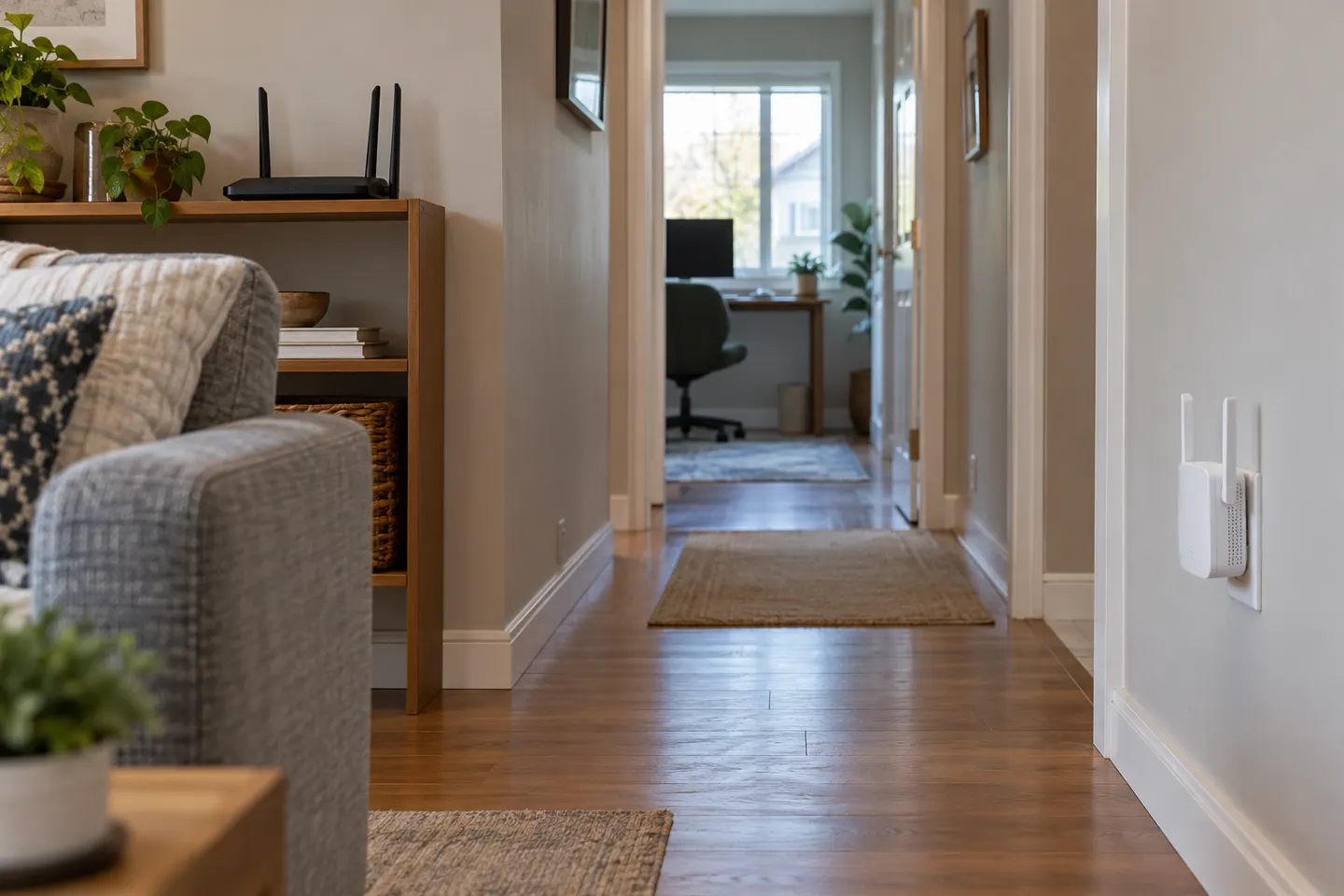
A WiFi extender can carry your router signal further, but placement and backhaul matter. Choose a plug-in repeater for a nearby dead zone, powerline WiFi for difficult layouts, or an outdoor-rated unit for a garden.
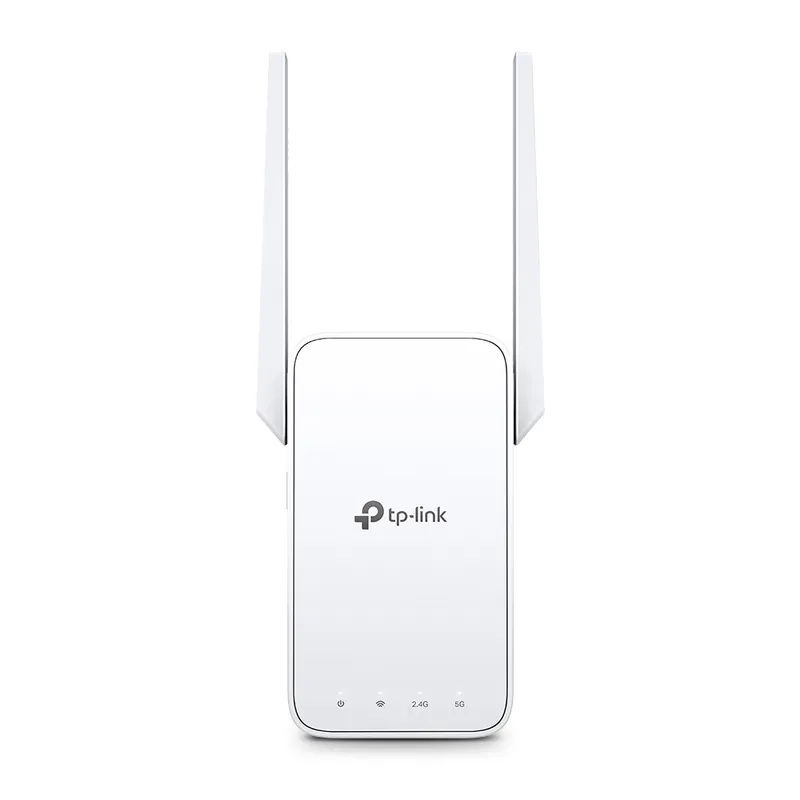
TP-Link sells plug-in repeaters and powerline kits. Check EasyMesh support, Ethernet needs and the exact UK hardware revision before buying.

Sky has different booster products for different broadband generations. Sky Max customers may use a Max Pod; check your account and hub-specific help before seeking a third-party extender.