









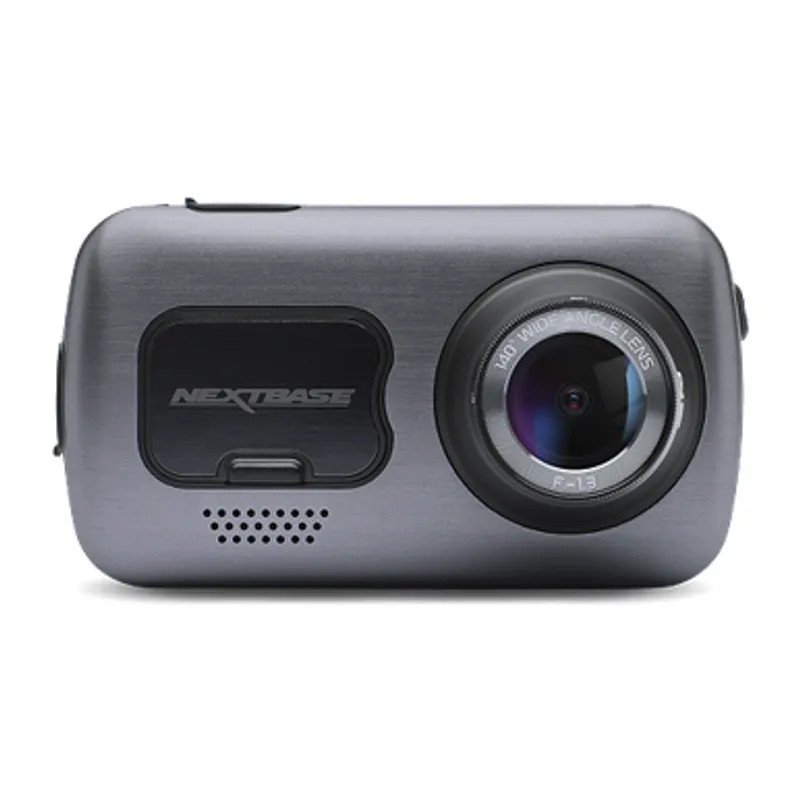
 Official manufacturer image
Our picks
Top picks
Official manufacturer image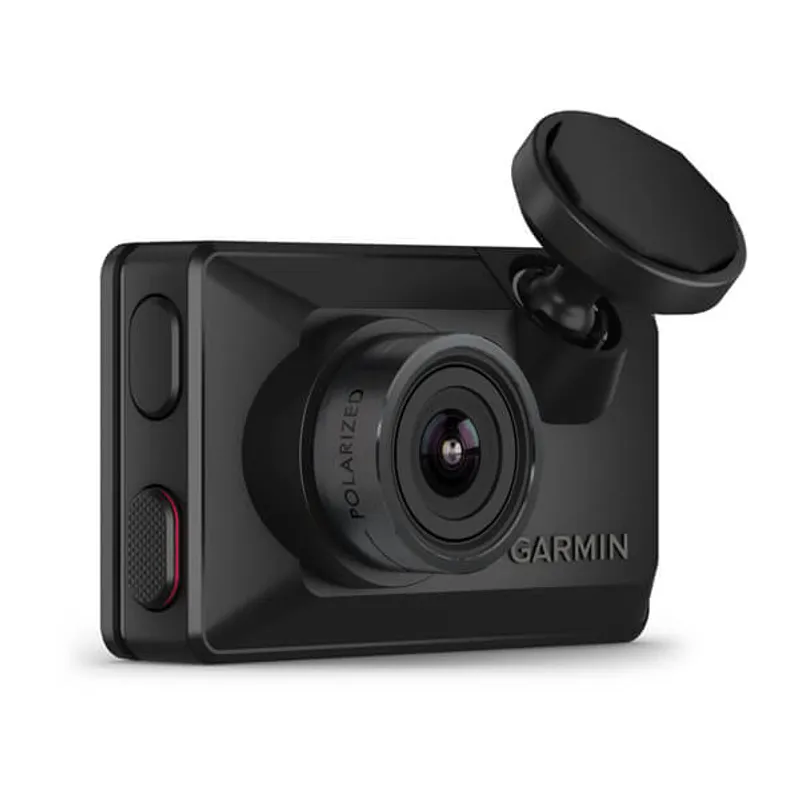 Official manufacturer image
Garmin Dash Cam X310
Check price on Amazon UK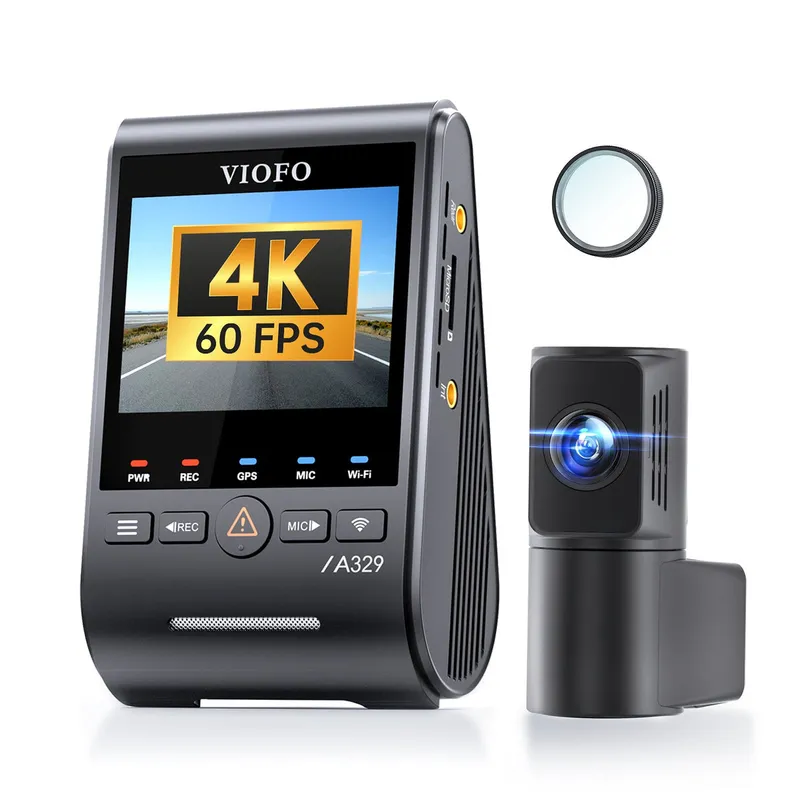 Official manufacturer image
VIOFO A329S 2CH
Check price on Amazon UKMore topics
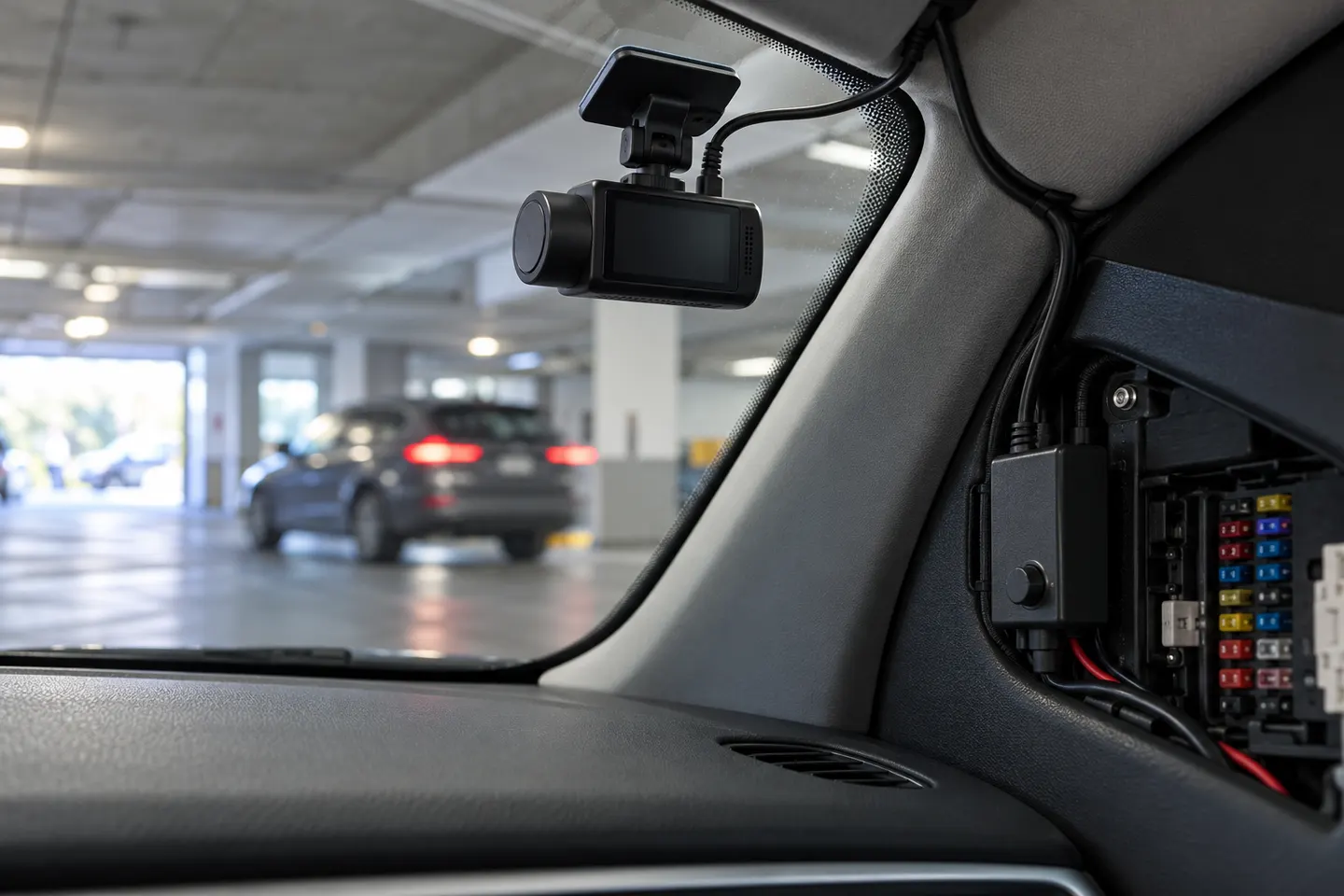 Motion Detector Dash Cams for Parking Protection
Common questions
Questions before you buy
Can a detector find every hidden car camera?
No. Detection depends on how the camera communicates, whether it is powered and visible, and which signals or reflections the tool is designed to recognise.
How does a camera lens detector work?
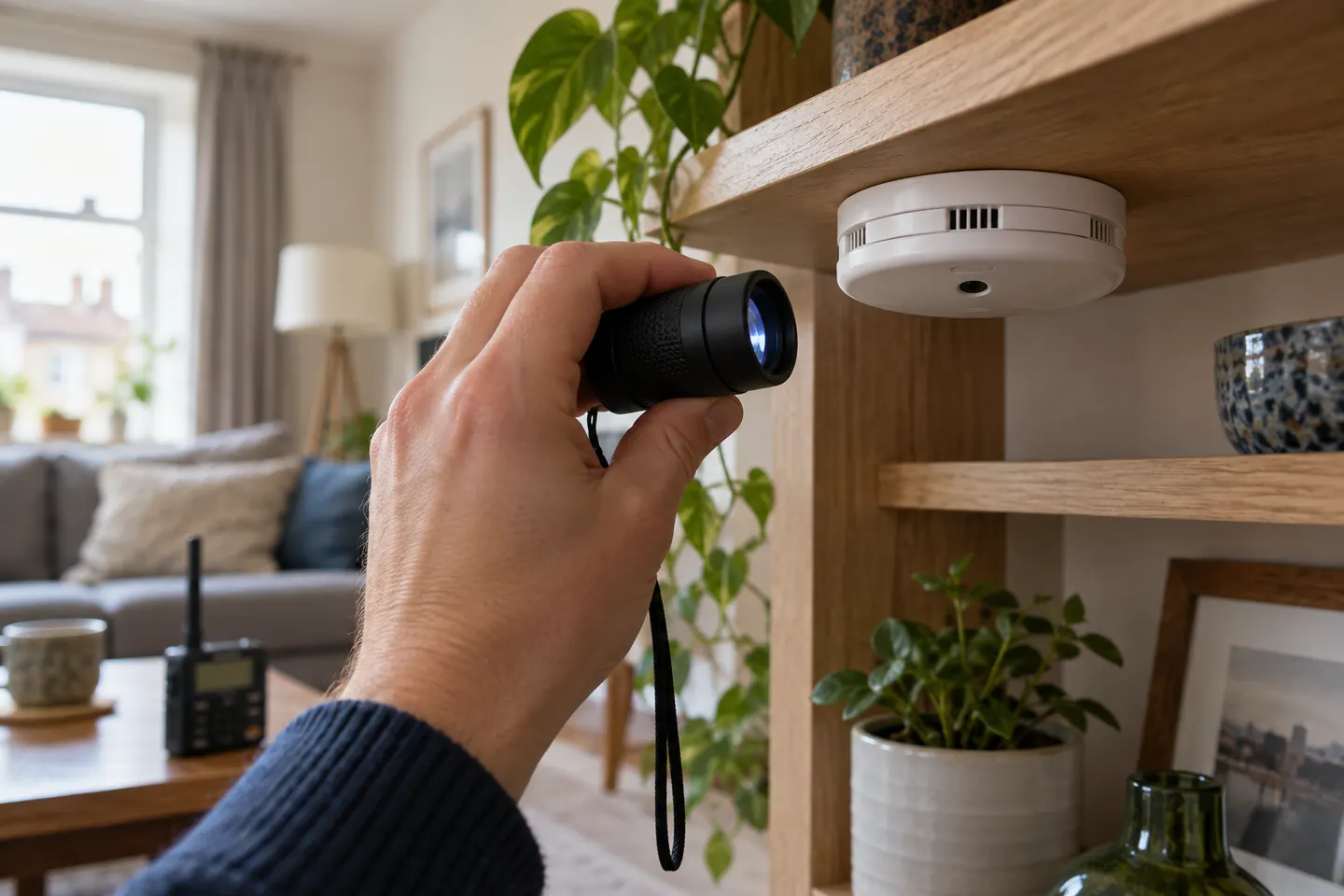
It shines or directs light and helps the user look for a reflection from a lens. Other shiny surfaces can reflect too, so every alert needs visual confirmation.
Can an RF detector locate a wired dashcam?
Not reliably. A camera that is not transmitting may not produce a distinctive radio signal, while normal vehicle electronics and nearby devices can create unrelated readings.
What should you do if you find an unknown camera in your car?
Document it without damaging the device, consider who owns and controls the vehicle, and contact the police or a qualified adviser if you believe there is a safety, stalking or privacy risk.