
Independent buying guidance · UK editionHow we work
Gearjury
All categories
All categories
Best picksBest WiFi Extenders in the UK: Compare Five Practical Options
Best picksThe Best Dashcams in the UK for 2026
Best picksBest Portable Air Coolers: Five Models to Compare for 2026
Best picksBest Meat Thermometers in the UK for 2026
Best picksBest Headlamp Torches in the UK: Five Choices for 2026
Best picksBest Winter Gloves in the UK: Five Activity-Based Choices for 2026
Best picksBest Radar Detectors in the UK: Models Compared for 2026
Best picksBest Value Cordless Strimmers in the UK (2026)
Best picksBest Air Purifiers in the UK for Different Rooms and Needs
United KingdomEnglish

Category hub

Dash Cams for Lorries: HGV and Fleet Buying Guide

Lorries benefit from wider coverage than a single windscreen view. Map blind spots and operational needs before choosing channel count, storage and connectivity.

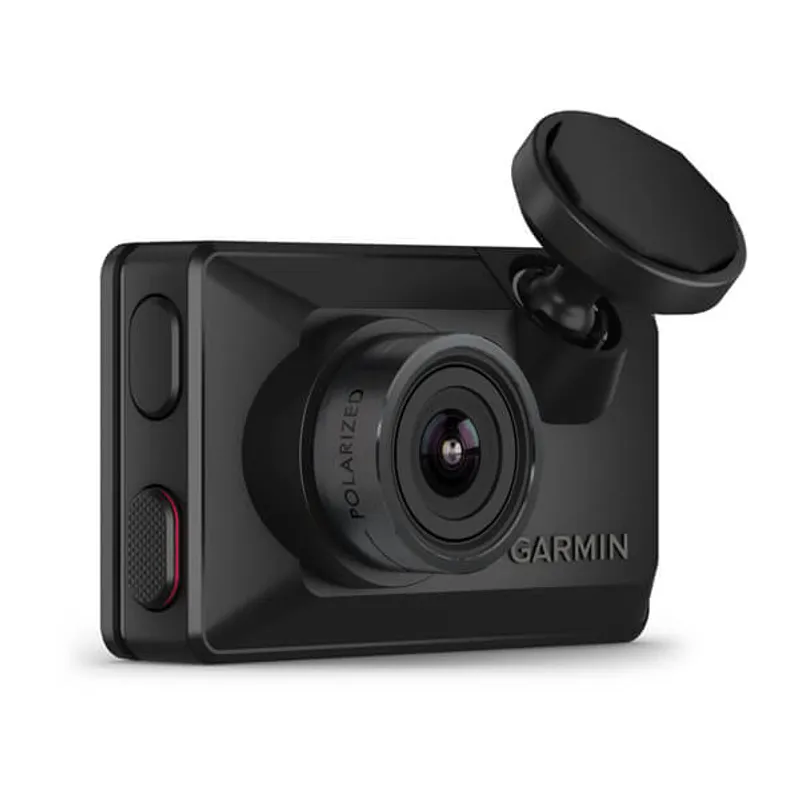
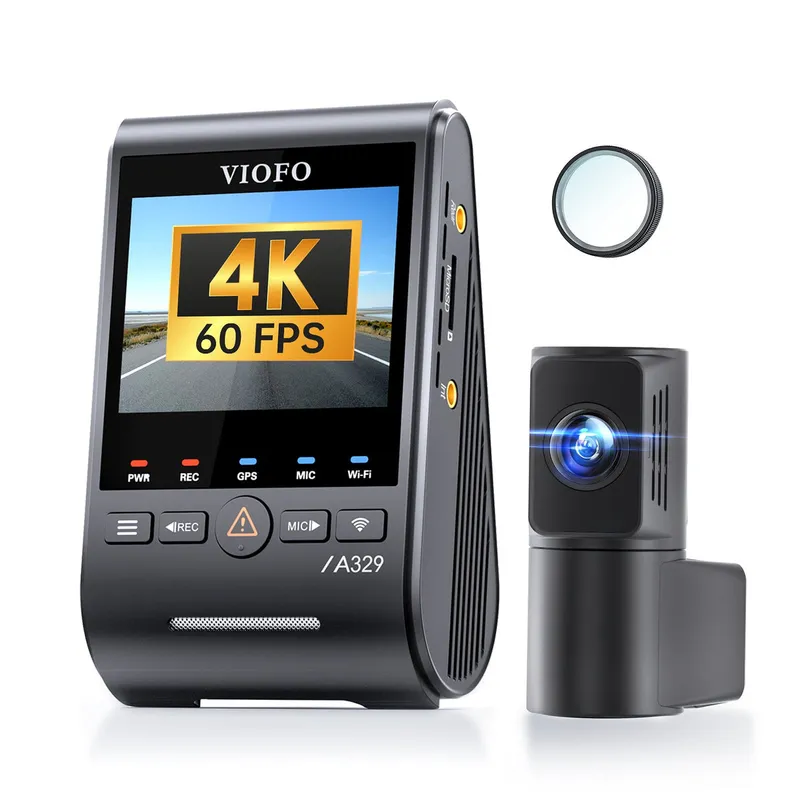
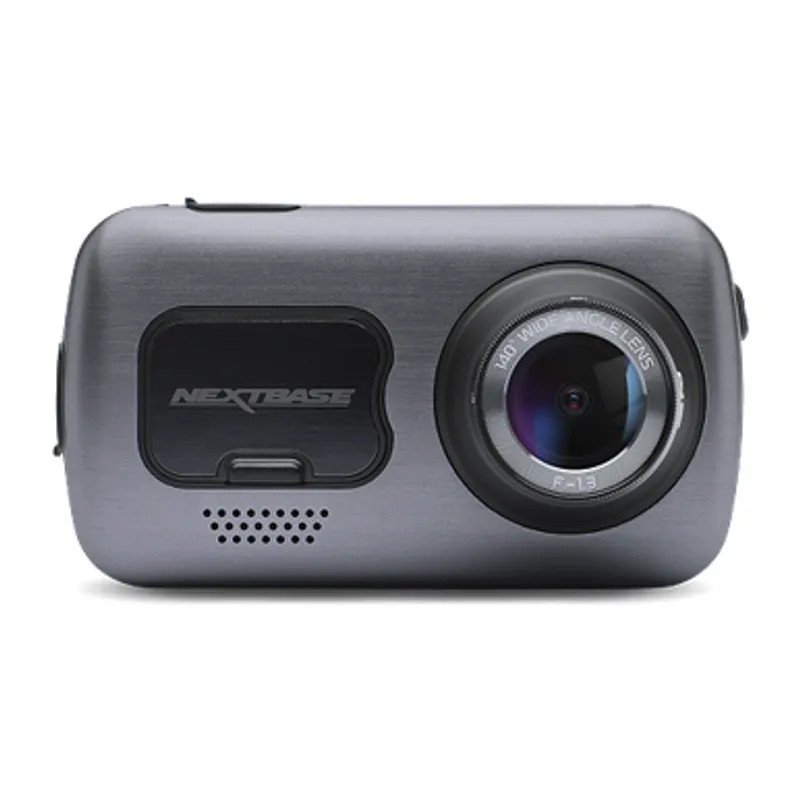
A dash cam for lorries should reflect the vehicle's size, routes and blind spots. A front camera documents the road ahead, but side and rear channels can provide essential context during turns, reversing and loading. Commercial operators may also need remote access and driver-event workflows.

Dash Cams for Lorries: HGV and Fleet Buying Guide

Common questions

Questions before you buy

How many cameras does a lorry need?

It depends on the vehicle and risk assessment. Front, nearside, offside, rear and cab views each answer different questions; more channels also increase storage and installation demands.

Can an HGV dash cam record the driver?

Cab recording may be lawful for a defined purpose, but employers must consider data protection, proportionality, transparency and access controls.

How long should lorry camera footage be kept?

Keep it only as long as the documented purpose requires, unless a relevant incident means a clip must be preserved.

Should a fleet dash cam upload video remotely?

Remote access can speed incident review, but it adds mobile-data, security and account-management requirements.