








 Official manufacturer image
Our picks
Top picks
Official manufacturer image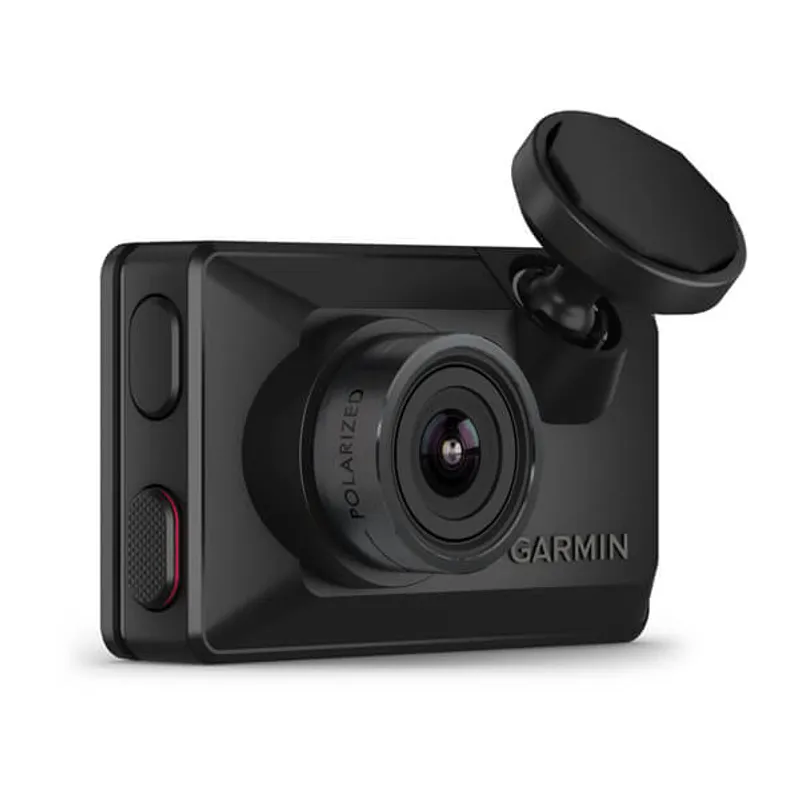 Official manufacturer image
Garmin Dash Cam X310
Check price on Amazon UK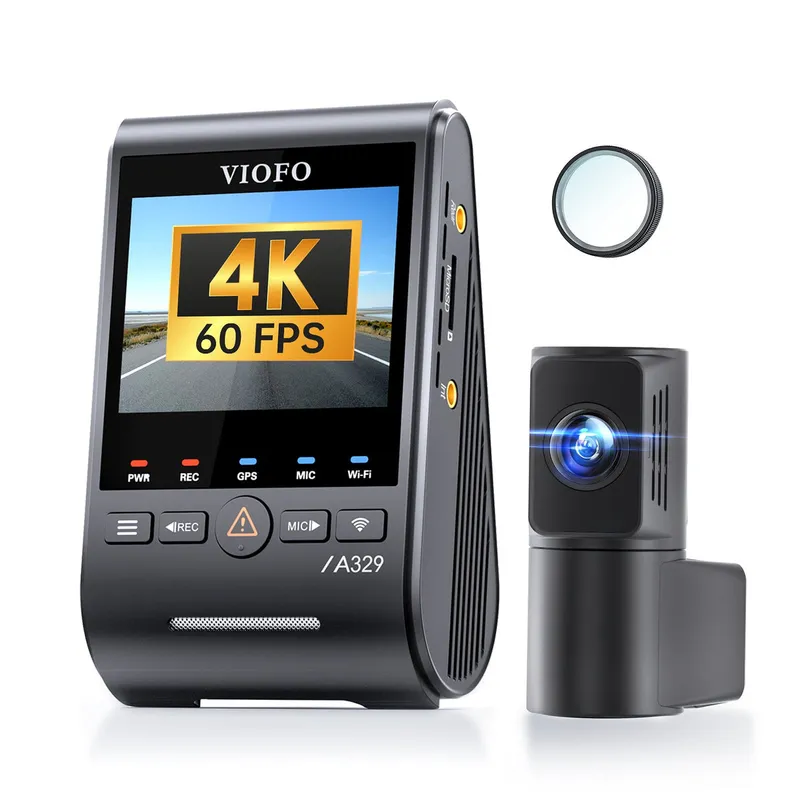 Official manufacturer image
VIOFO A329S 2CH
Check price on Amazon UKCommon questions
Questions before you buy
What can a thermal car camera see?
It visualises differences in infrared radiation associated with surface temperature. The result is useful for heat contrast, not a normal colour view of the road.
Is thermal imaging the same as night vision?
No. Thermal systems sense infrared energy, while other night-vision systems may amplify available light or use infrared illumination; their images and limitations differ.
Can a thermal camera see through fog or glass?
Performance depends on wavelength, material and conditions. Ordinary glass can block relevant thermal infrared bands, and weather can reduce useful contrast, so do not assume an unobstructed view.
Does a thermal car camera replace a dashcam?
Usually not. A normal dashcam records a recognisable scene, whereas a thermal unit serves a specialist detection or viewing role; some installations may use both.