
Independent buying guidance · UK editionHow we work
Gearjury
All categories
All categories
Best picksBest WiFi Extenders in the UK: Compare Five Practical Options
Best picksThe Best Dashcams in the UK for 2026
Best picksBest Portable Air Coolers: Five Models to Compare for 2026
Best picksBest Meat Thermometers in the UK for 2026
Best picksBest Headlamp Torches in the UK: Five Choices for 2026
Best picksBest Winter Gloves in the UK: Five Activity-Based Choices for 2026
Best picksBest Radar Detectors in the UK: Models Compared for 2026
Best picksBest Value Cordless Strimmers in the UK (2026)
Best picksBest Air Purifiers in the UK for Different Rooms and Needs
United KingdomEnglish

Category hub

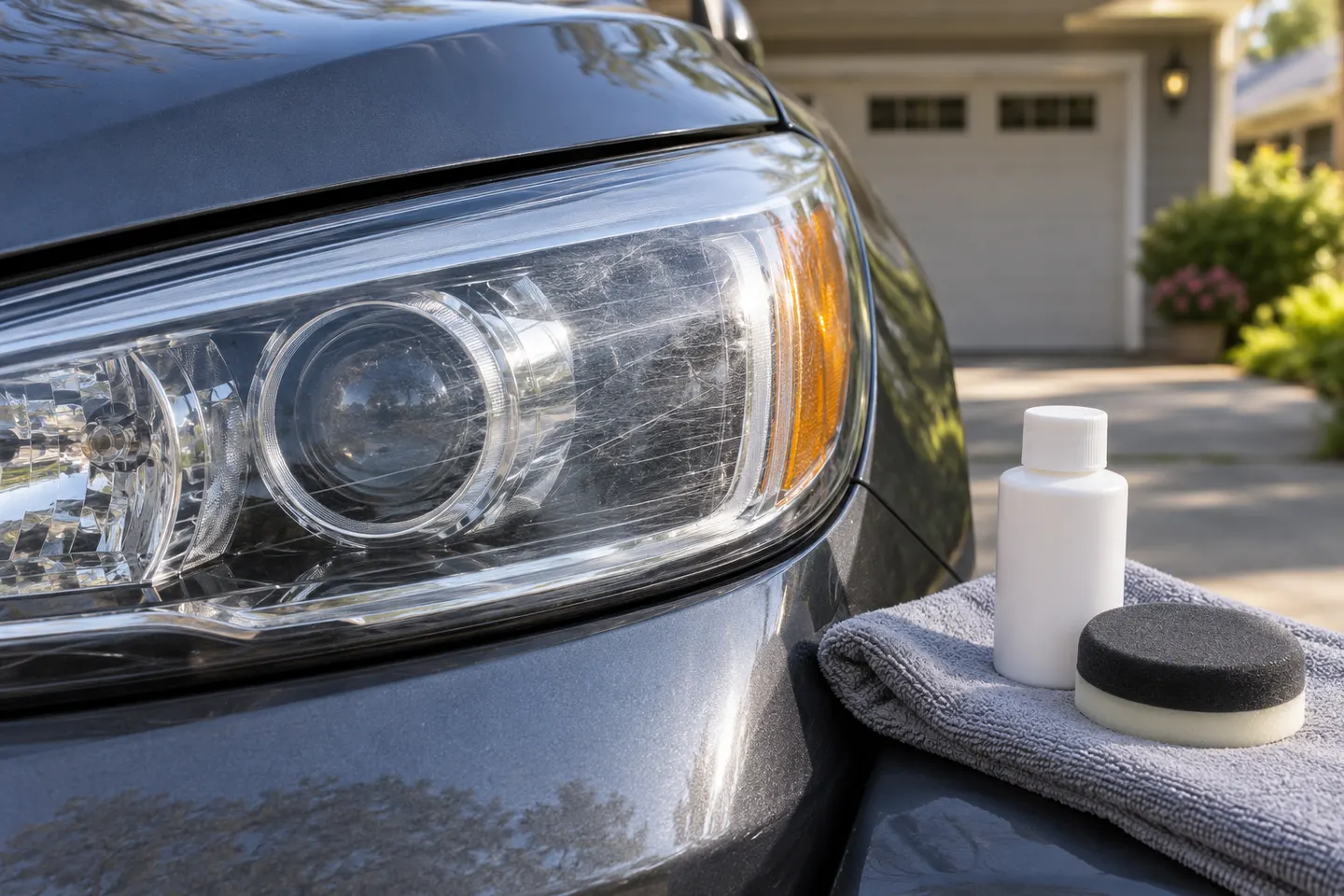
Headlamp Scratch Remover: What to Check First

Start by identifying the lens material and the type of damage. A surface polish cannot fix every crack, deep gouge or coating failure.

A headlamp scratch remover is intended to improve some surface marks on vehicle lamp lenses. First establish whether the lens is plastic, whether the damage is superficial and whether the product is approved for that surface. Deep cracks, moisture or damaged coatings may call for professional repair or replacement.

Headlamp Scratch Remover: What to Check First

Common questions

Questions before you buy

Can scratches be removed from a headlamp?

Some superficial marks may respond to a suitable polishing process, but results depend on lens material and damage. Follow the product instructions.

Can toothpaste remove headlamp scratches?

Household abrasives are not a dependable repair method and may harm a lens coating. Use products specifically intended for the lens material.

Will a scratch remover fix cloudy headlights?

Cloudiness may come from surface oxidation or other damage. Identify the cause and use a restoration system suited to it.

When should a headlamp be replaced?

Cracks, water ingress, damaged mounts or compromised light performance may require repair or replacement. Ask a qualified technician to assess safety-critical damage.