Independent buying guidance · UK editionHow we work
Gearjury
All categories
All categories
Best picksBest WiFi Extenders in the UK: Compare Five Practical Options
Best picksThe Best Dashcams in the UK for 2026
Best picksBest Portable Air Coolers: Five Models to Compare for 2026
Best picksBest Meat Thermometers in the UK for 2026
Best picksBest Headlamp Torches in the UK: Five Choices for 2026
Best picksBest Winter Gloves in the UK: Five Activity-Based Choices for 2026
Best picksBest Radar Detectors in the UK: Models Compared for 2026
Best picksBest Value Cordless Strimmers in the UK (2026)
Best picksBest Air Purifiers in the UK for Different Rooms and Needs
United KingdomEnglish

Category hub

Very bright head torches: how to choose the right beam

The brightest claim is useful only if beam shape, power setup and controls suit your task.

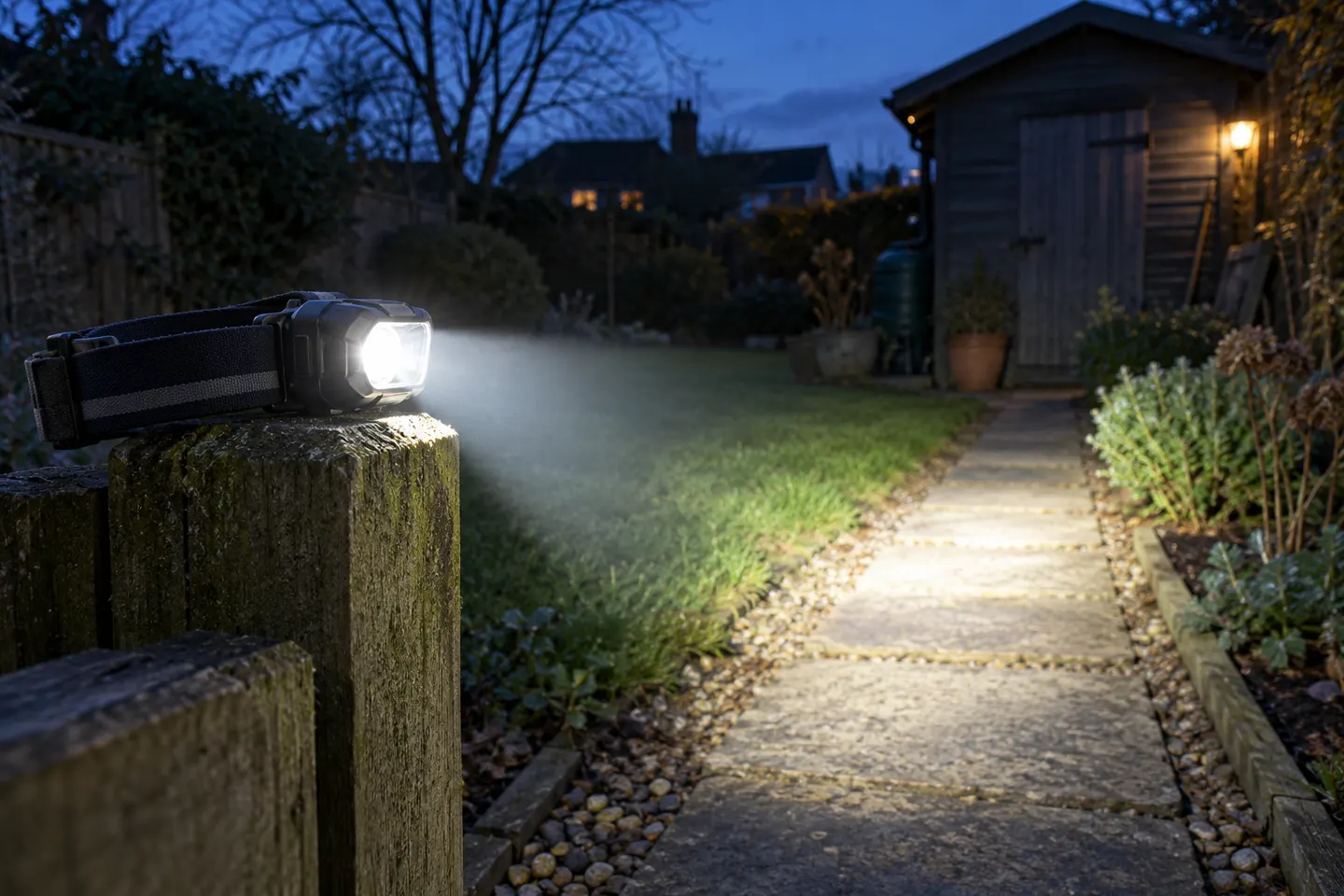
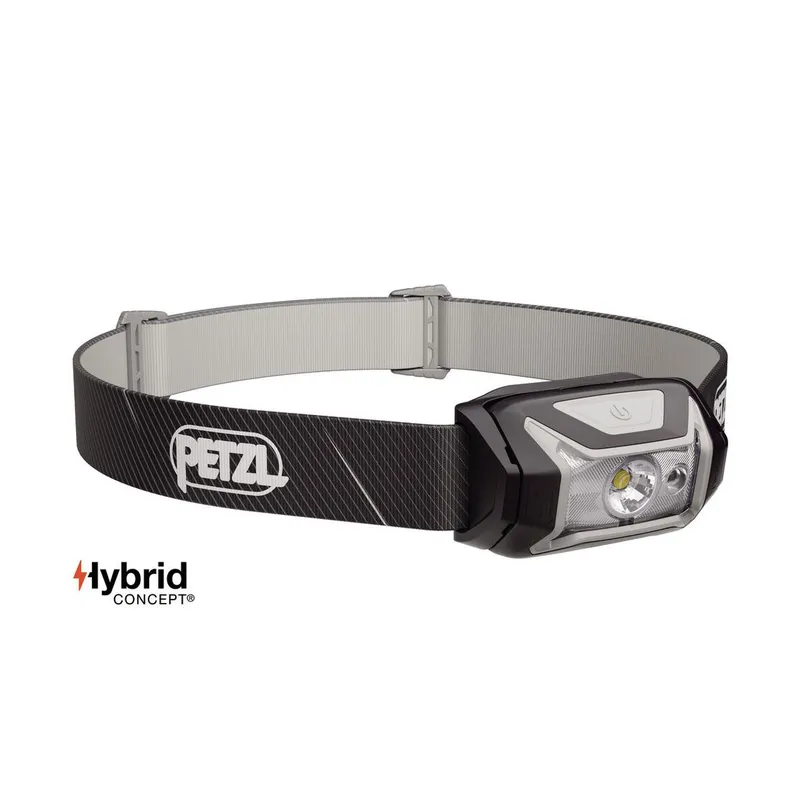
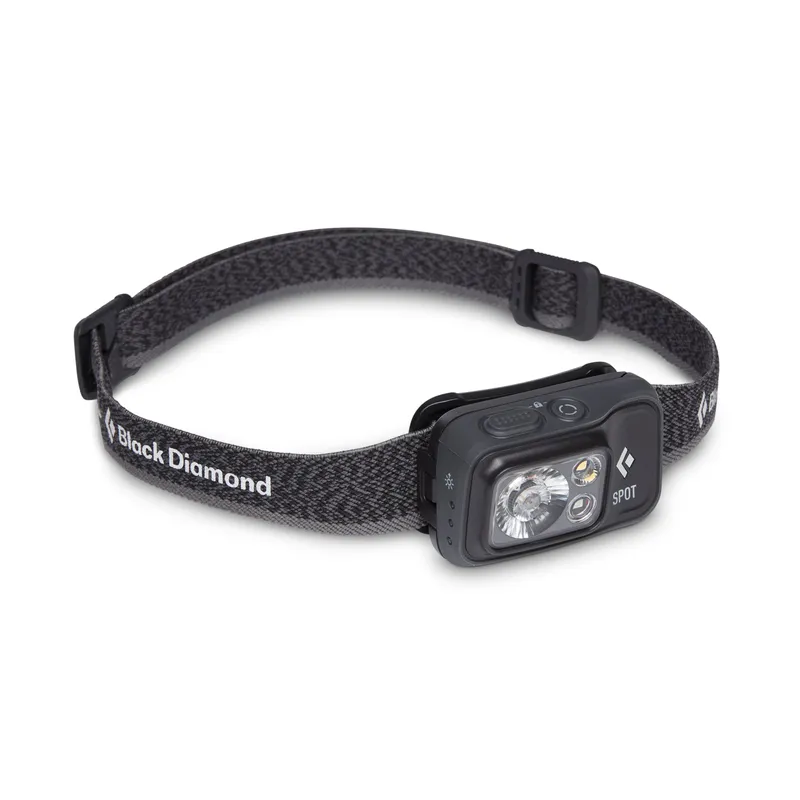
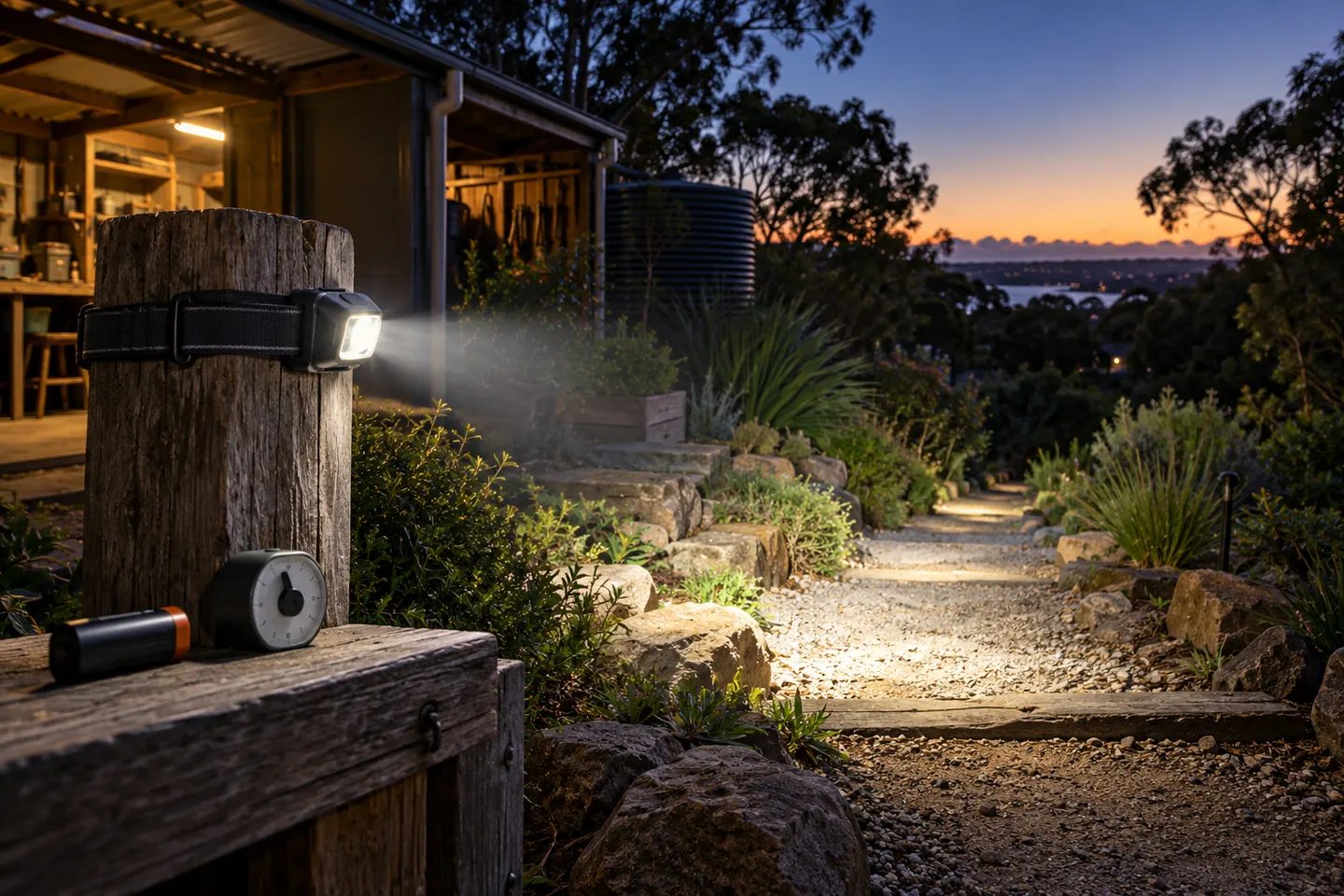
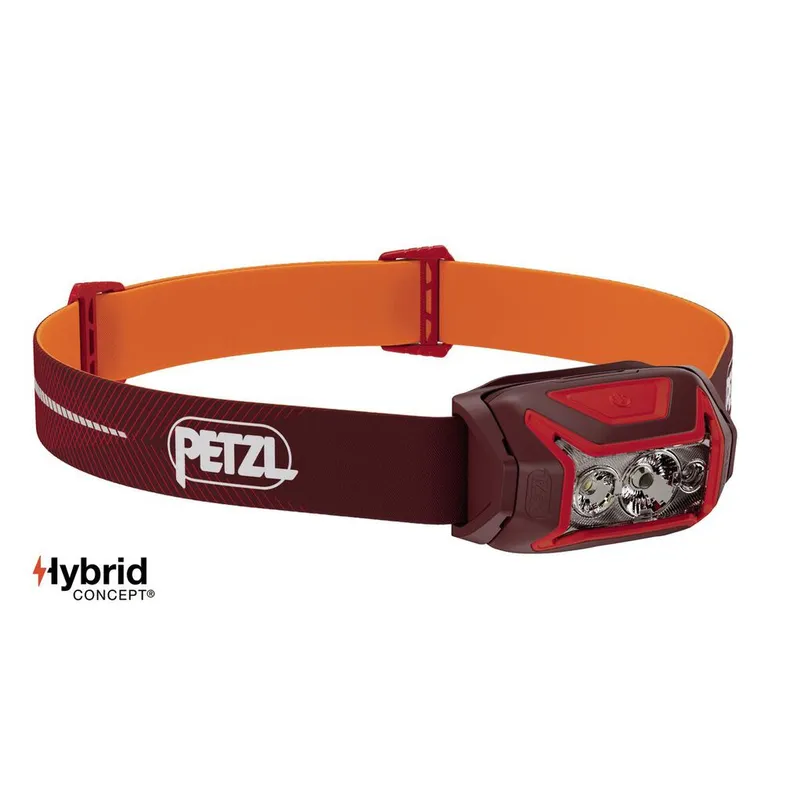
A very bright head torch can help illuminate distant or dark areas, but brightness alone does not tell you whether a model fits the task. Compare stated beam pattern, power source, lighting levels and manufacturer runtime information. For close-up work, a broad nearby beam may be more useful than a narrow long-distance beam. If portability or charging matters more, see our ultralight and rechargeable guides.

Very bright head torches: how to choose the right beam

By feature

2

Common questions

Questions before you buy

How bright should a head torch be?

Choose a beam suited to the distance and area you need to see. Beam shape and usable modes matter alongside headline output.

Does a brighter head torch use more battery?

Higher output can affect energy use, but runtime depends on the model, mode and battery. Consult manufacturer runtime information.

Is a wide beam or focused beam better?

A wide beam illuminates nearby surroundings; a focused beam is intended to send light further. Some torches offer both.

What makes a head torch powerful?

Consider specified output together with beam pattern, modes and power system. A peak figure does not describe every setting.