Gearjury may earn a commission from retailer links. This does not affect our editorial conclusions.
Guide
How Does a Radar Detector Work? A UK Driver?s Guide
A radar detector listens for radio signals; a GPS speed-camera alert uses location data. Neither guarantees advance warning, and neither replaces observing limits and road conditions.
GGearjury editorial team · Updated 15 October 2026· 4 min
01
How does a radar detector work?
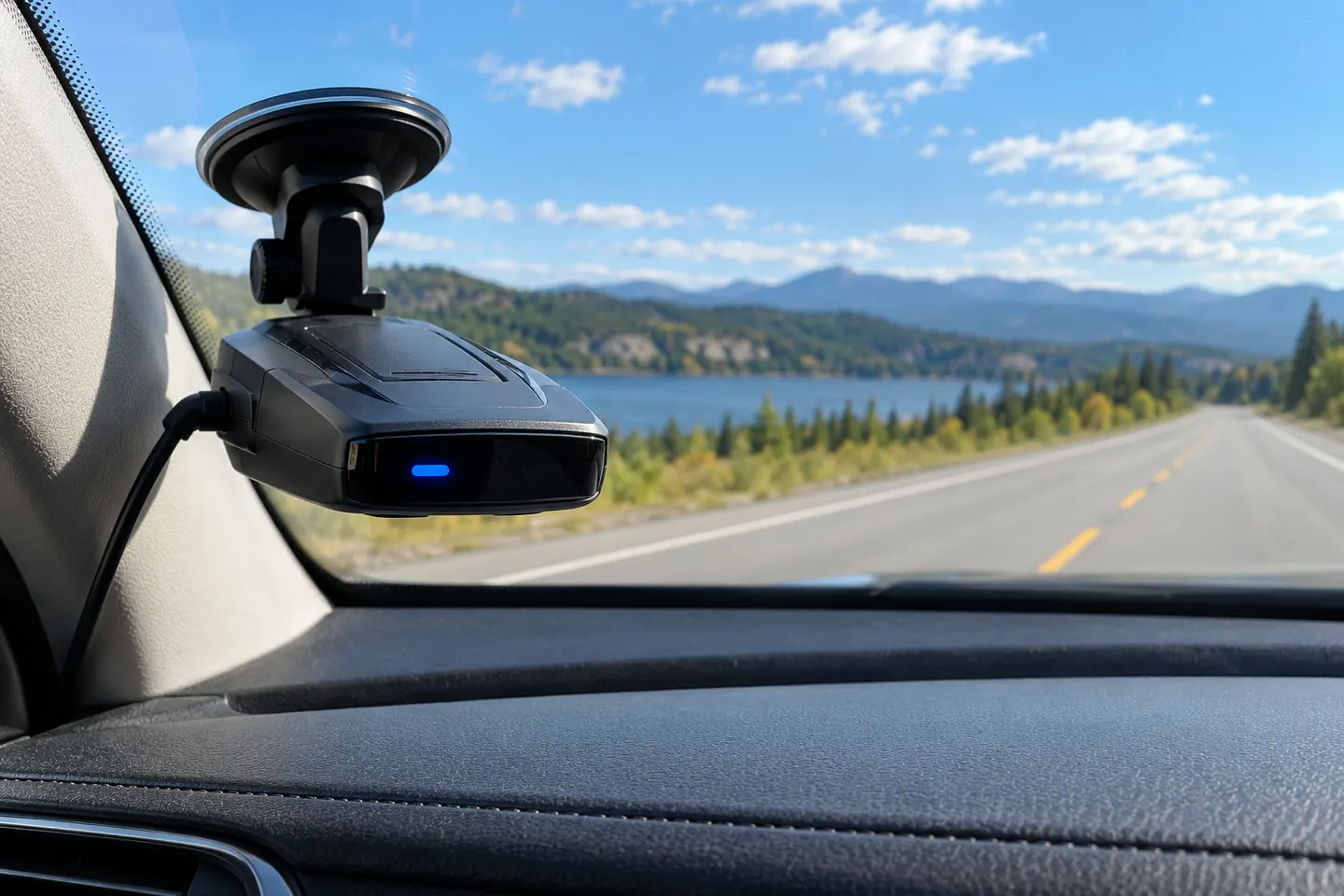
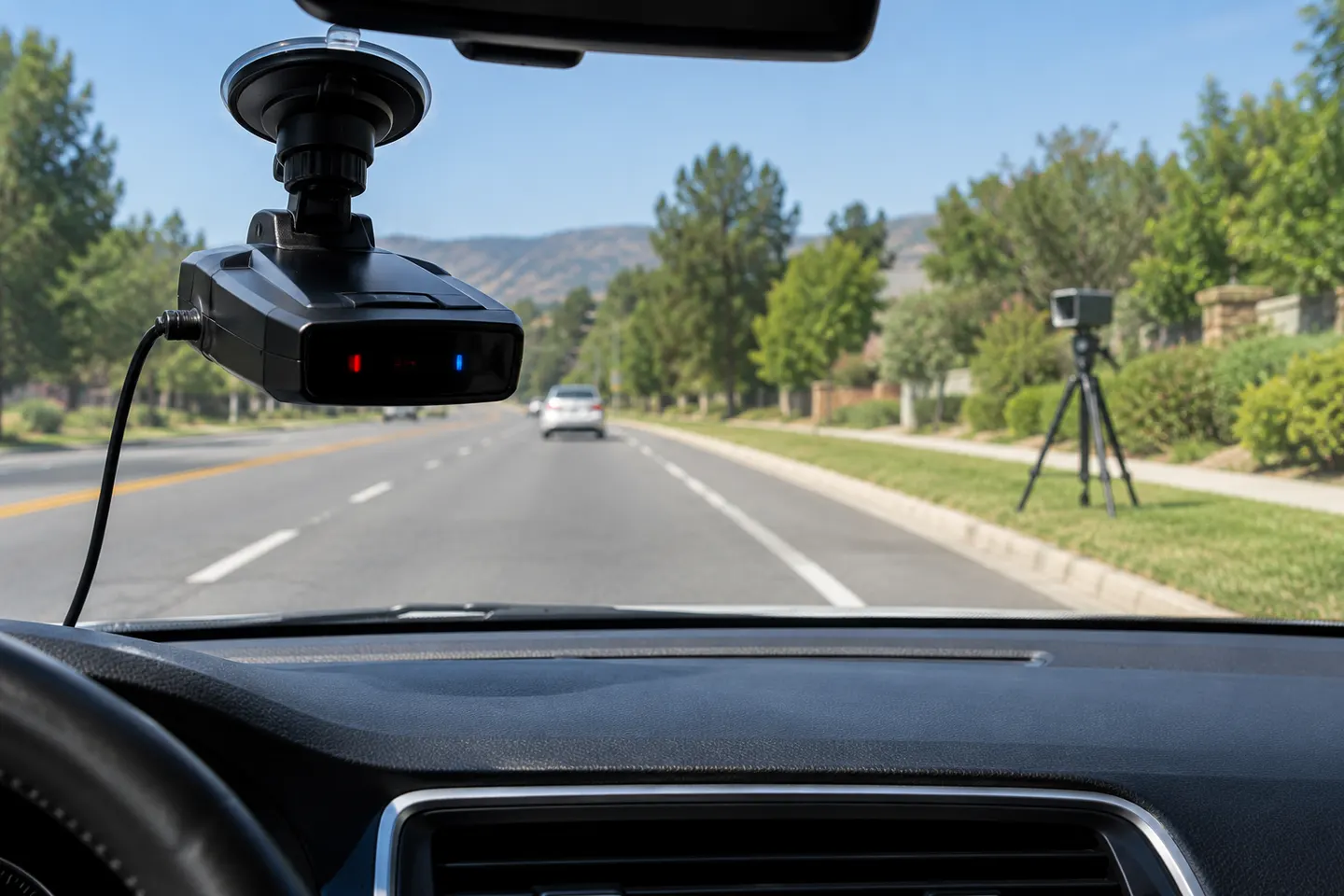
A radar detector uses an antenna and receiver to identify radio-frequency energy associated with radar speed measurement, then alerts the driver. Range varies with signal, terrain, vehicle position and equipment; no universal distance can be promised.
02
How does a speed camera detector work?
Many UK camera alert devices use GPS to establish location and compare it with a camera or road database. Connected models may download updates or receive live reports. Road Angel describes Pure as a GPS-based system with cloud-updated data.
03
How far can a radar detector reach?
There is no fixed reach. Signal strength, line of sight, bends, hills, traffic and the enforcement device all affect reception, so published or anecdotal range should not be treated as a guarantee.
04
How do you mount and set one up?
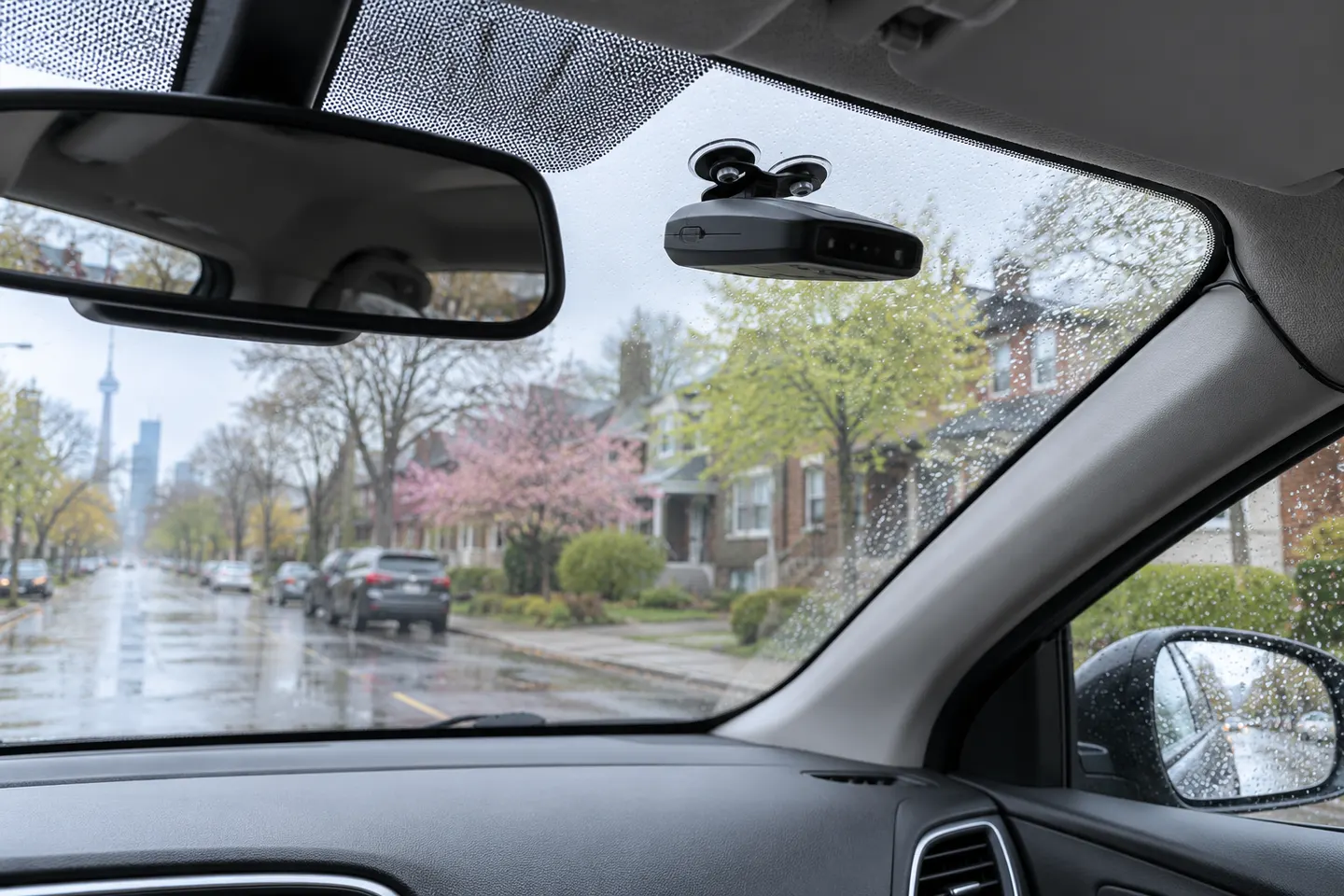
Follow the model?s manual for mounting, power, GPS acquisition, sound and display settings. Keep the device stable and out of the driver?s sightline obstruction; complete setup while parked.
05
How do you read the alerts?
Learn the manual?s signal bands, direction indicators and alert priority while stationary. A warning is only information; maintain a safe, legal speed and keep attention on the road.
06
Can you test or build a detector at home?
Do not transmit interference or attempt to defeat enforcement equipment. Use only the manufacturer?s self-test or diagnostics in its manual. There is no safe universal home test for reception performance.
Common questions
Questions before you buy
How much does a radar detector cost?
Prices vary by model, retailer and service plan, so check current listings and any recurring subscription separately.
How far can a radar detector reach?
There is no dependable fixed distance. Terrain, signal strength, traffic and the enforcement device affect reception.
How do I test a radar detector at home?
Use only the manufacturer?s built-in self-test or diagnostic procedure. Avoid transmitting signals or trying to interfere with enforcement equipment.
How do I mount a radar detector?
Use the supplied mount and follow the manual, keeping the view unobstructed and the cable secure. Set it up while parked.
How do I use and read a radar detector?
Learn the model?s alert meanings and controls from its manual before driving. Treat alerts as information, not permission to exceed a limit.
How do I hide or install a radar detector?
Use only a manufacturer-approved installation and check current law before fitting equipment. Do not conceal a device to evade enforcement or obstruct the driver?s view.
How do I set up a Whistler radar detector?
Follow the exact Whistler model?s manual for power, mounting and alert settings; setup steps differ by model.
Does a radar detector work?
A receiver can alert to signals it detects, but performance varies and it may not warn of every enforcement method. GPS camera alerts work from location data instead.
For UK camera-location alerts, Road Angel Pure One is the clearest locally focused pick. Snooper 4ZERO Elite combines GPS with radar and laser sensing; imported detectors need careful regional checks.
A laser warning means the receiver has detected light in a band used by some speed-measuring equipment. It does not work like a database warning for a mapped camera.
Pure One is a compact display-led unit with onboard mobile data; Pure Sync adds a live cloud connection and configurable road-safety alerts. Check which subscription and vehicle setup each requires.
For UK camera warnings, a GPS alert device such as Road Angel Pure One is a different tool from a police radar detector. Start by deciding which signal or location information you actually need.
Your privacy
We use cookies and similar technologies. Necessary ones keep the site working. With your permission we also use statistics cookies (Google Analytics and Microsoft Clarity) to understand which guides help readers. You can accept all, reject all or choose. You can change your choice at any time from "Cookie settings" at the bottom of every page. Cookie policy