








 Official manufacturer image
Our picks
Top picks
Official manufacturer image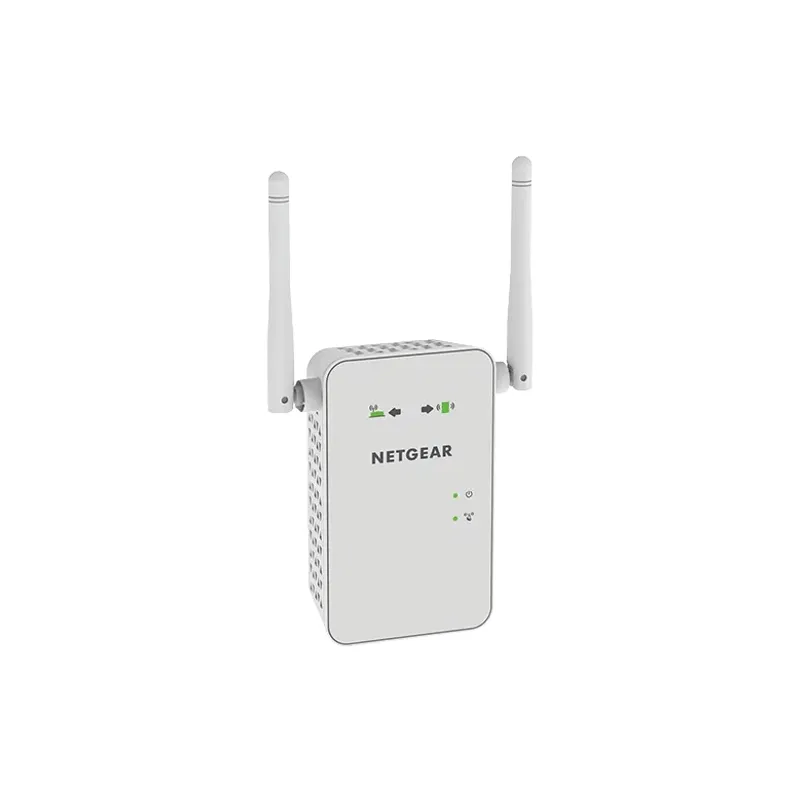 Official manufacturer image
NETGEAR EX6120
Check price on Amazon UK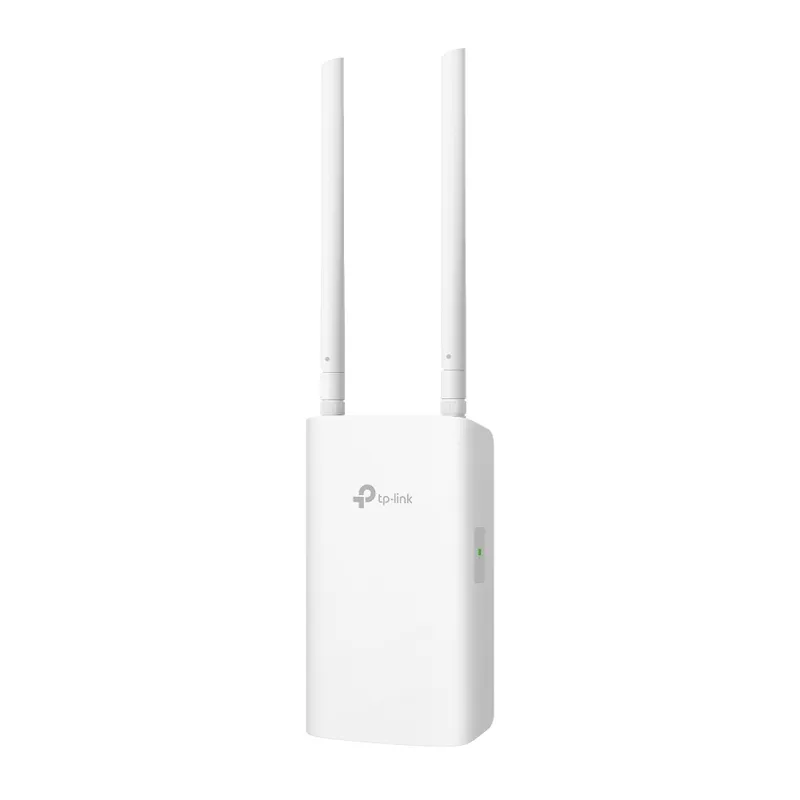 Official manufacturer image
TP-Link RE705X-Outdoor
Check price on Amazon UKCommon questions
Questions before you buy
What is the fastest type of Wi-Fi extender?
There is no single fastest type for every home. A compatible Wi-Fi 6 extender, mesh system or powerline kit may suit different layouts; compare backhaul and client support alongside the advertised rates.
Does a Wi-Fi extender make internet faster?
It can improve wireless performance in a poorly covered area, but cannot raise the broadband speed delivered to the router. A weak link back to the router may constrain it.
Is dual-band better for a fast Wi-Fi booster?
Dual-band offers more connection options, but performance depends on how the extender uses each band and what your router supports. Check the backhaul design and compatible standards.
Where should I place a fast Wi-Fi extender?
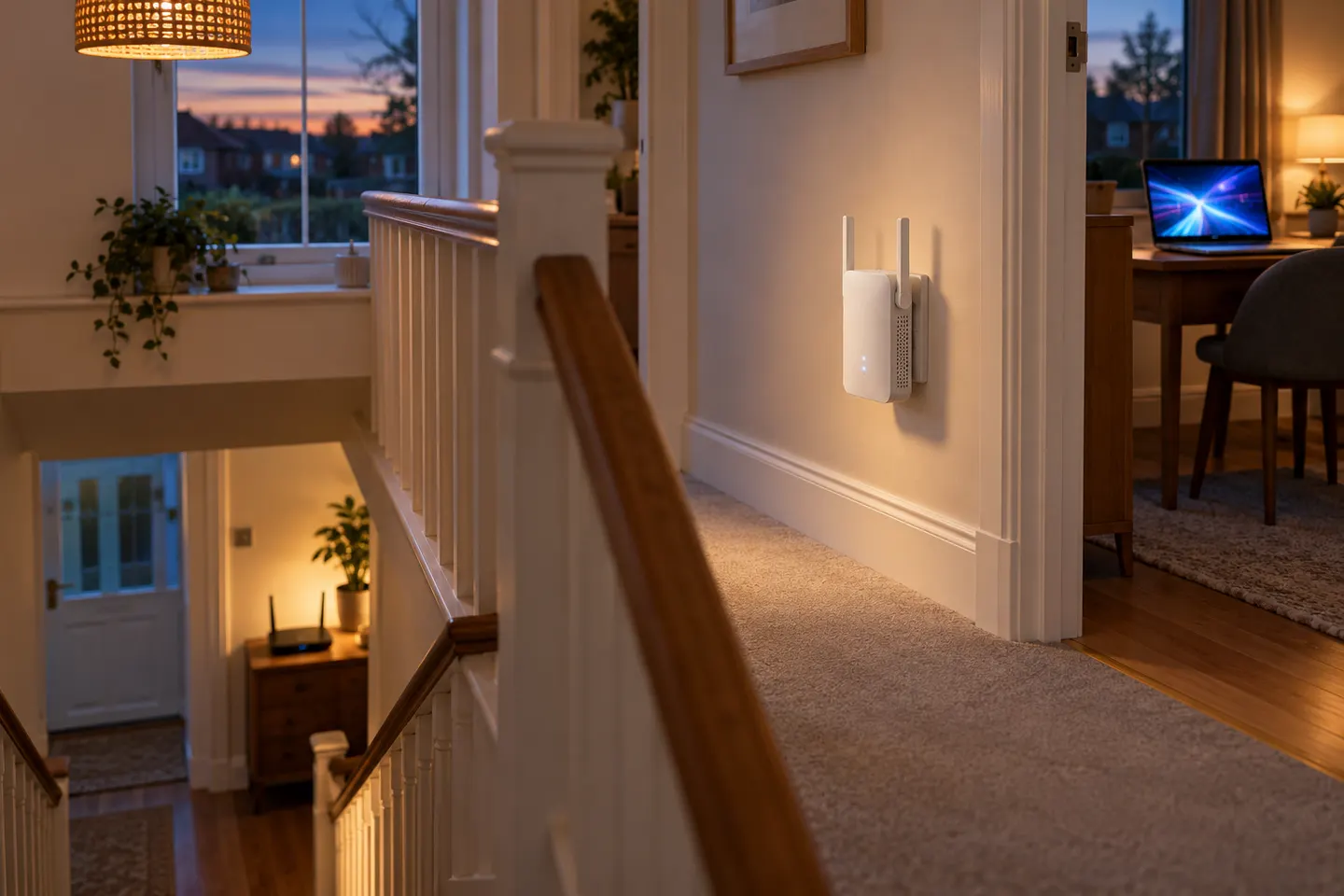
Place it between the router and the target room where it still receives a strong, stable signal. Avoid dead zones, cabinets and blocked airflow.