








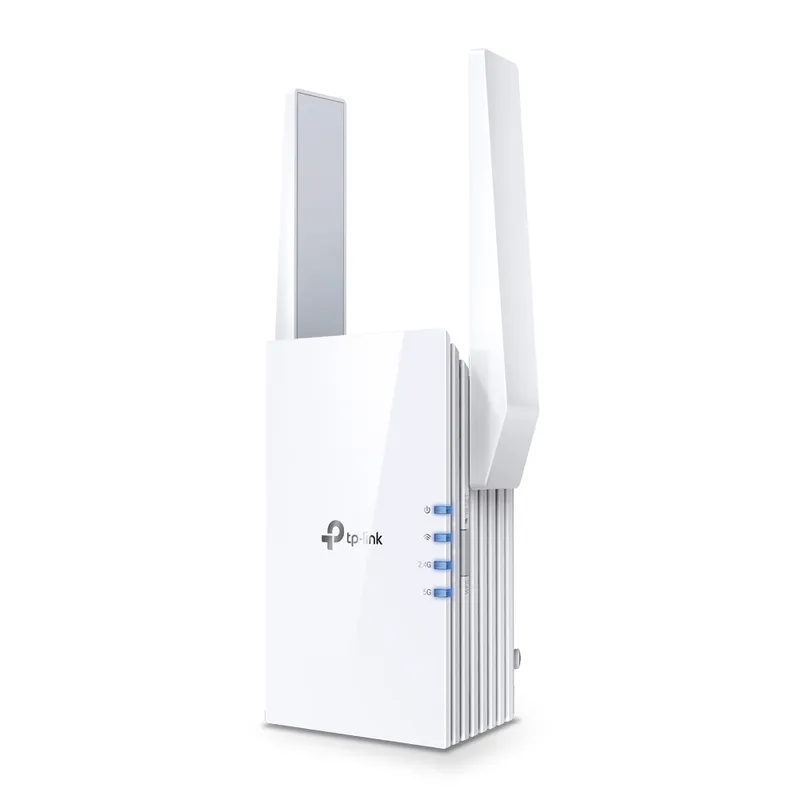
 Official manufacturer image
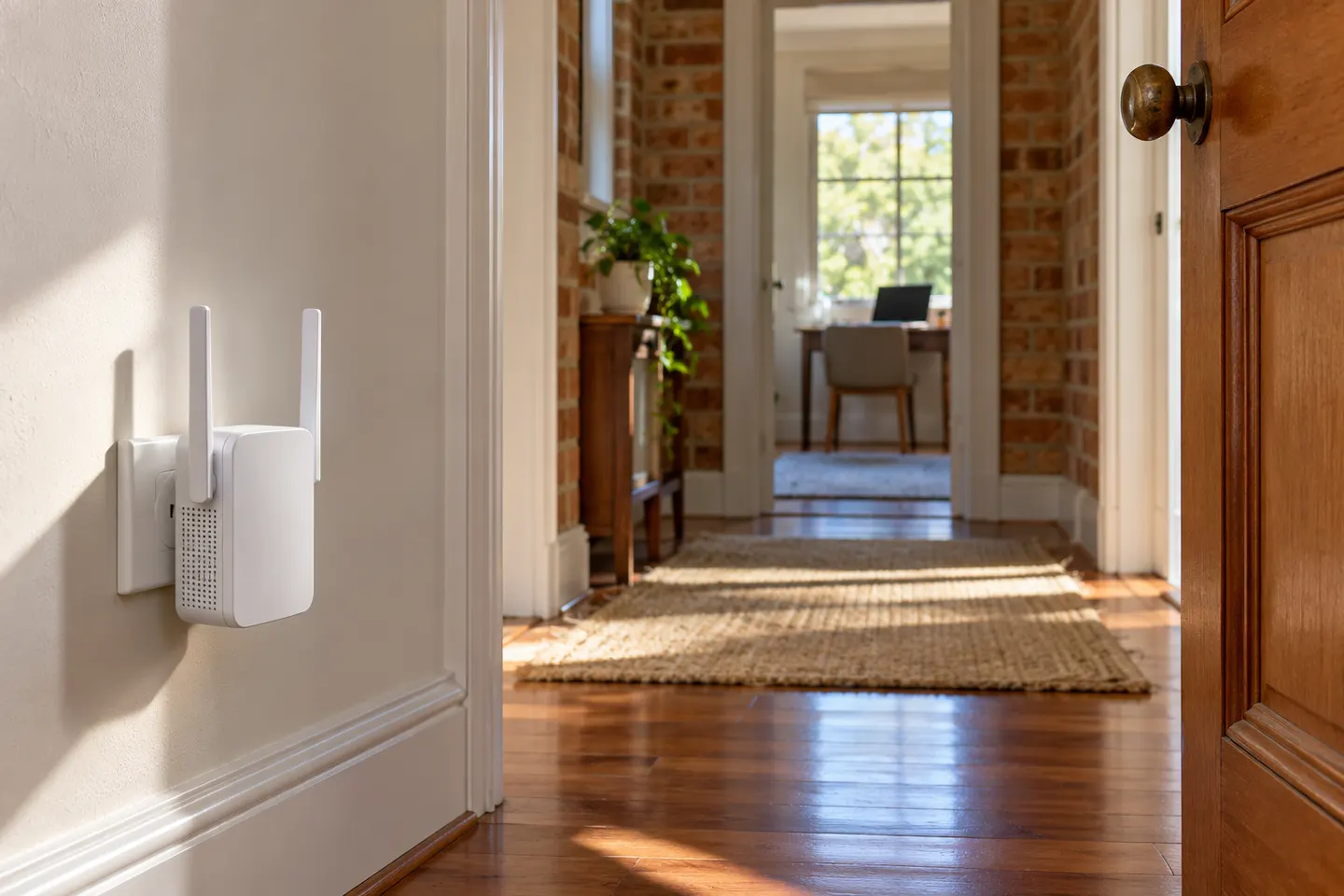
Our picks
Top picks
Official manufacturer image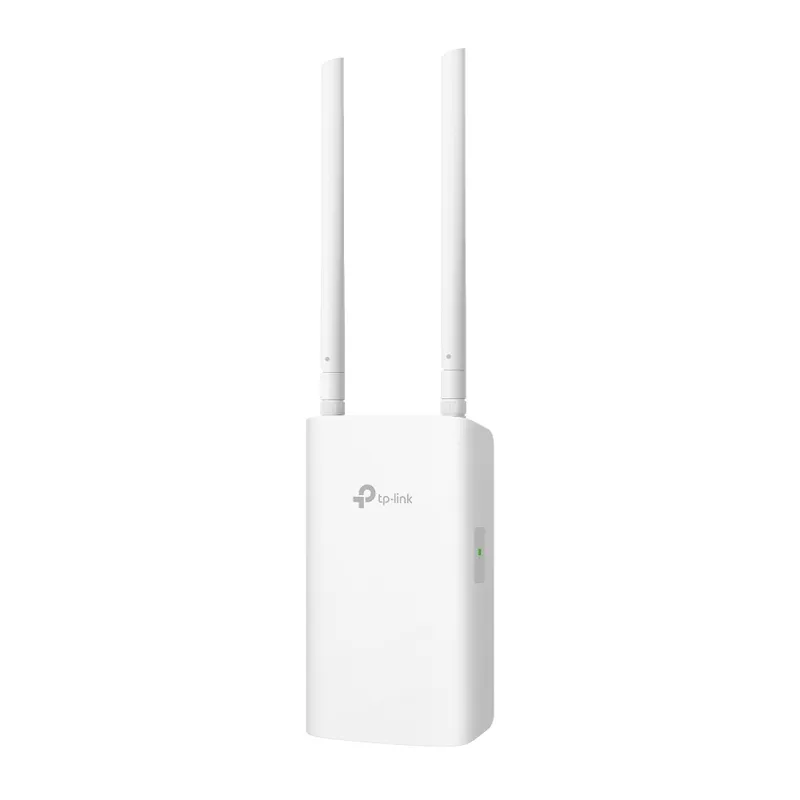 Official manufacturer image
TP-Link RE705X-Outdoor
Check price on Amazon AU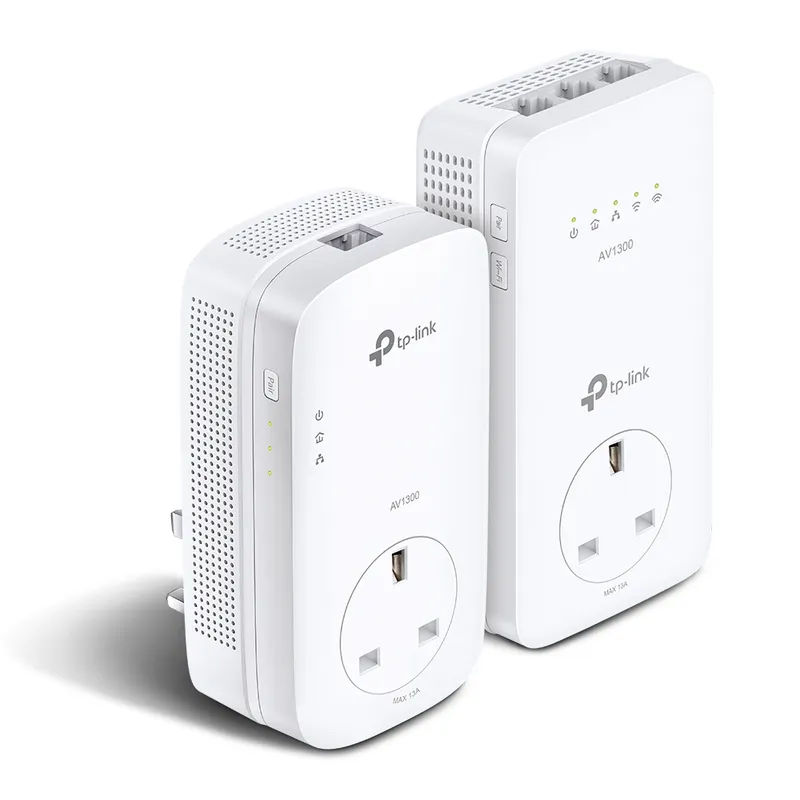 Official manufacturer image
TP-Link TL-WPA8631P KIT
Check price on Amazon AUBy type
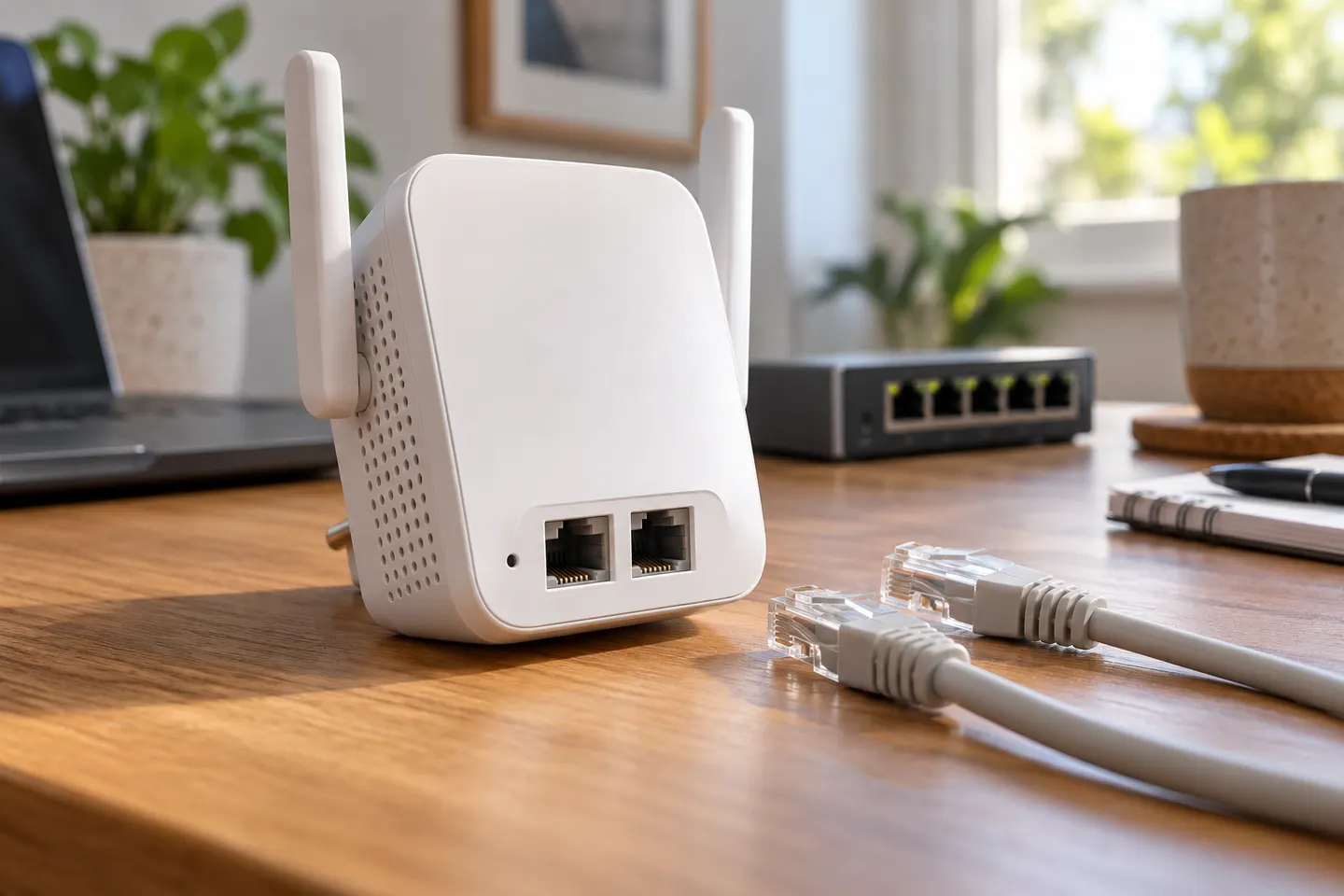 2 ethernet ports
More topics
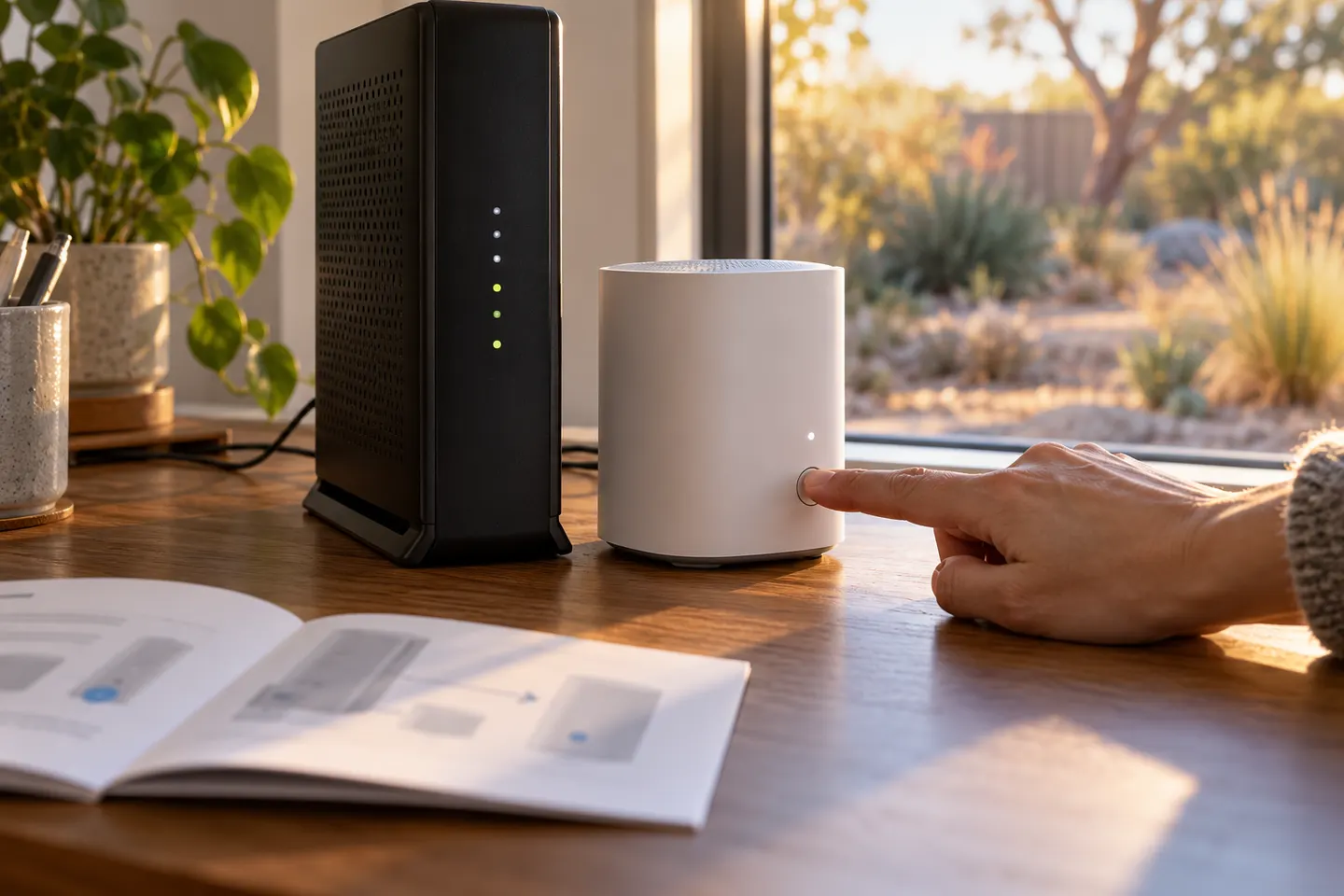 Optus Ultra WiFi Booster Gen 2
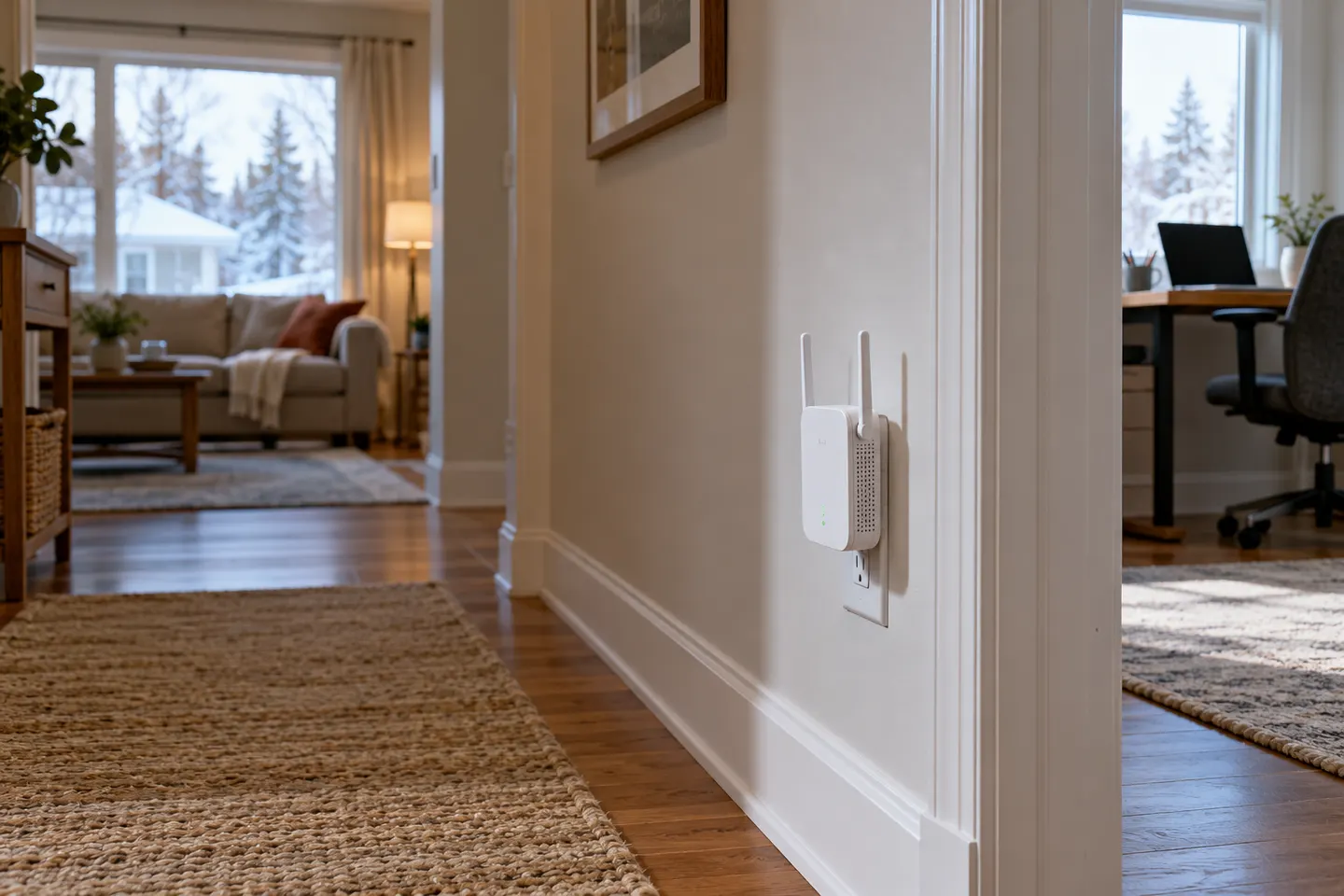 2.4 GHz WiFi Extenders
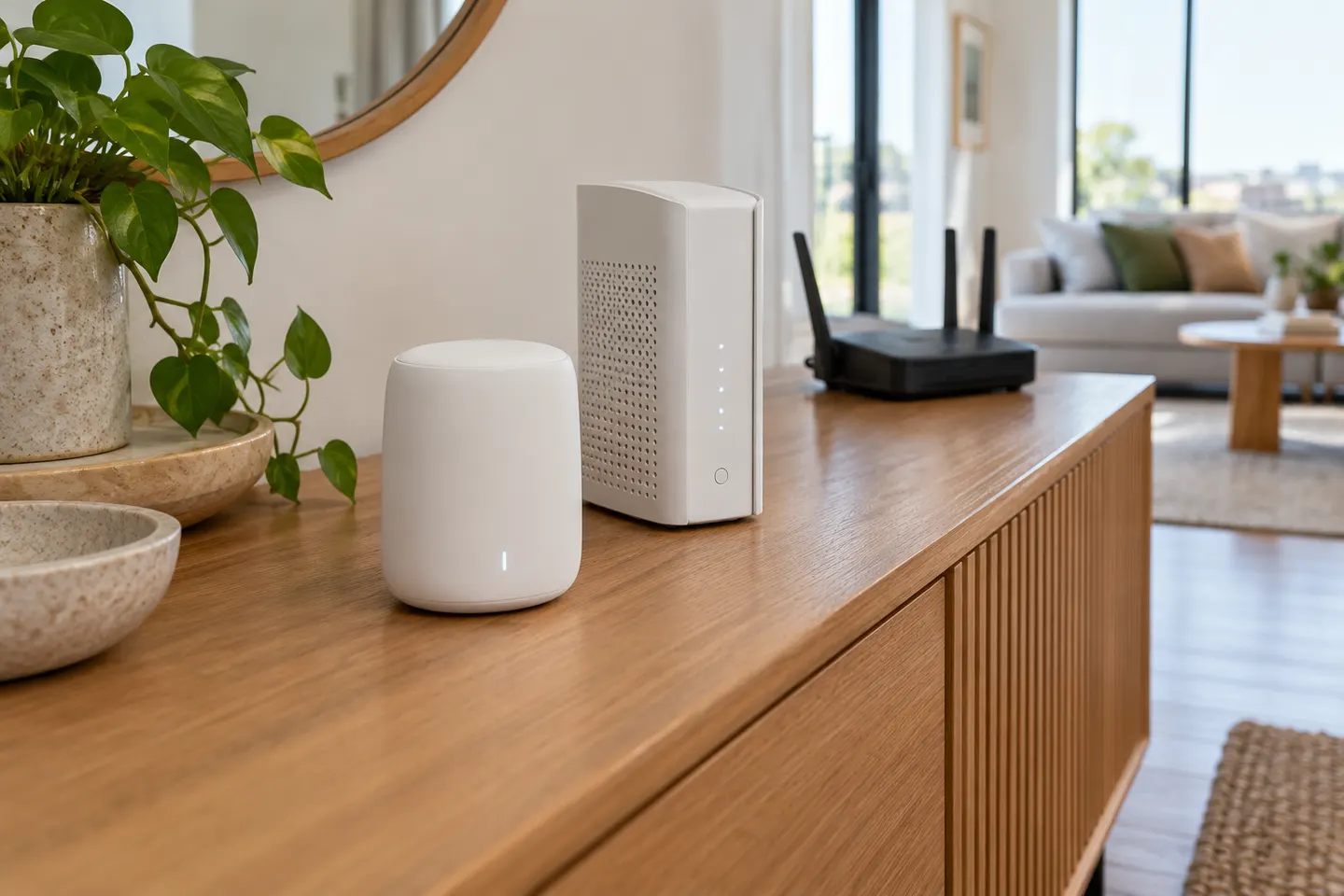 Optus WiFi Booster Gen 2
Common questions
Questions before you buy
Does 2.4 GHz Wi-Fi have longer range than 5 GHz?
Often it reaches farther through obstacles, but results depend on environment, router and interference. Higher bands can offer more capacity at shorter distances.
Can a 2.4 GHz extender work with a 5 GHz router?
It depends on router configuration and extender bands. A dual-band extender offers more flexibility; verify compatibility in the manual.
Is a 2.4 GHz Wi-Fi booster slower?
2.4 GHz may be more congested and generally offers less capacity than newer 5 GHz links, but results depend on standards, interference and internet service.
Should I choose a 2.4 GHz or dual-band extender?
Choose based on router and client devices. Dual-band is more flexible; a single-band option may suit a simple legacy setup.