

Independent buying guidance · Australia editionHow we work
Gearjury
All categories
All categories
Best picksBest Dash Cam in Australia: Five Models Compared
Best picksBest Wi-Fi Extenders in Australia for Different Homes
Best picksThe Best Meat Thermometer for Every Kind of Cook
Best picksBest Headlamp Torches for Different Uses in 2026
Best picksBest Portable Air Coolers to Consider in Australia (2026)
Best picksBest Winter Gloves for Everyday Wear and Outdoor Use
Best picksBest Cordless String Trimmers for Australian Gardens (2026)
Best picksBest air purifier for bedroom in Australia: five models compared
AustraliaEnglish

Gearjury may earn a commission from qualifying retailer links.

Guide

What Is the Difference Between a WiFi Booster and Extender?

The terms booster, extender and repeater are often used loosely for devices that relay WiFi. Check the operating mode and backhaul before choosing one.

What Is the Difference Between a WiFi Booster and Extender?
01

What is the difference between a WiFi booster and extender?

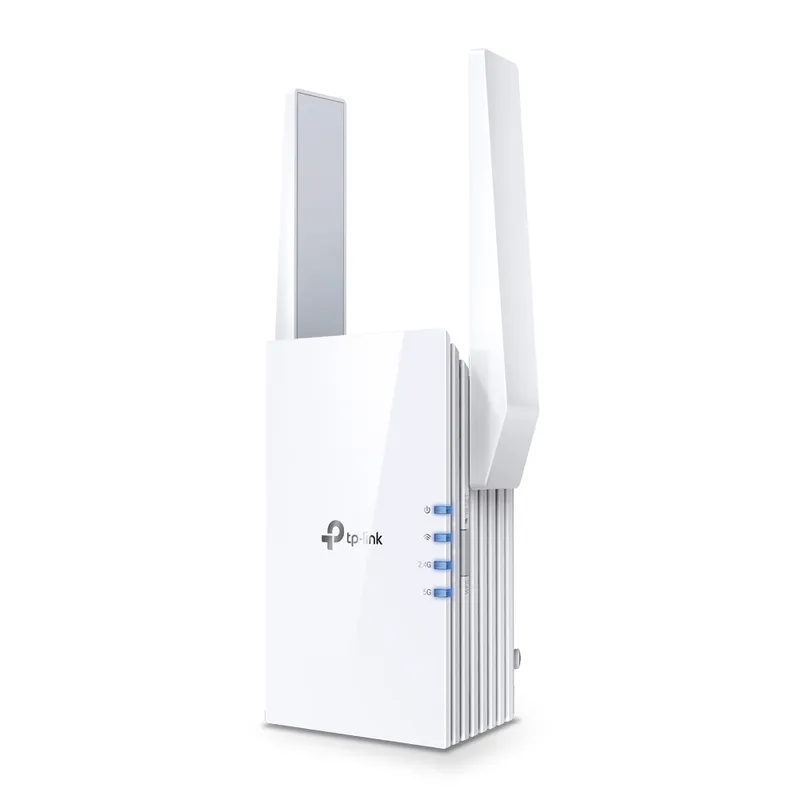
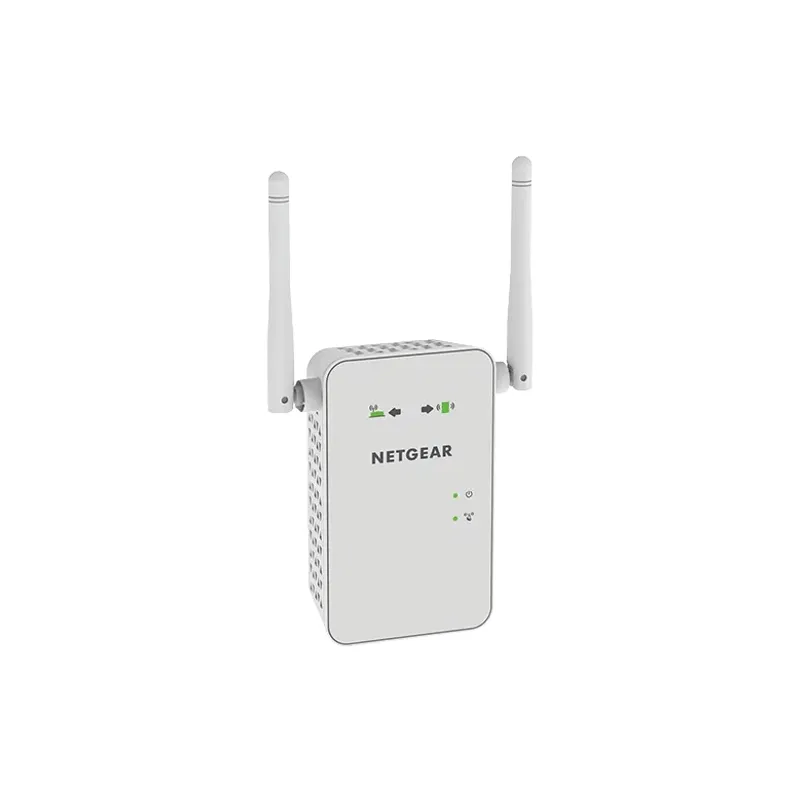
In everyday product listings, booster and extender commonly describe hardware that relays a router's wireless network into a weaker area. The labels are not a reliable technical distinction by themselves: check whether a device repeats WiFi, creates a mesh node with a compatible router, or works as a wired access point.
02

What is the difference between a WiFi extender and repeater?

Repeater often means a device that receives and retransmits a wireless signal; extender is the broader retail term used for products that improve coverage. Designs differ, so review the manufacturer's description of the link to the router and how client devices connect.

03

How placement affects the result

Place a wireless relay where it still receives a usable signal from the router and has a clear path towards the area needing coverage. Putting it inside the dead zone gives it a poor connection to repeat. Use the device's signal indicator or setup guidance, then check performance in the target room.

04

When a wired access point may suit better

If you can run Ethernet to the area, an access point avoids relying on a weak wireless link back to the router. Some extenders support access-point mode through Ethernet; confirm the exact model's supported modes before buying.

05

WiFi range extender between buildings

A typical indoor plug-in extender may not suit a link between separate buildings. Construction materials, distance, outdoor exposure and local radio rules all matter. Look for equipment expressly rated for the intended outdoor installation, or have a network professional assess a point-to-point bridge.

06

Choose by the problem you need to solve

For one indoor dead zone, compare extender placement, supported WiFi generation, Ethernet ports and router compatibility. For several rooms or a larger home, compare mesh options too. No relay can exceed the quality of its connection to the router or your internet service.

Common questions

Questions before you buy

What is the difference between a WiFi booster and extender?

The names are commonly used for similar coverage-relay products. Compare the actual operating modes and router connection rather than relying on the word booster or extender.

What is the difference between a WiFi extender, repeater and booster?

Repeater usually describes receiving and retransmitting WiFi, while extender and booster are broad retail terms. Manufacturers do not always use these labels consistently, so check the product specifications.

Does a WiFi extender make the internet faster?

It can improve the connection in an area with weak WiFi, but it does not increase the speed supplied by your internet plan. Wireless relaying can also reduce usable throughput depending on design and conditions.

Can I use a home WiFi extender between buildings?

Do not assume an indoor plug-in extender is suitable outdoors or across a building gap. Check environmental ratings and local requirements; a dedicated outdoor bridge may be more appropriate.

Sources and how we chose