Map the route
Mark the router and rooms where Wi-Fi fails. The best socket is often in a connecting hall or landing, not at the dead-zone edge.

 Best picksBest WiFi Extenders in the UK: Compare Five Practical Options
 Best picksThe Best Dashcams in the UK for 2026
 Best picksBest Portable Air Coolers: Five Models to Compare for 2026
 Best picksBest Meat Thermometers in the UK for 2026
 Best picksBest Headlamp Torches in the UK: Five Choices for 2026
 Best picksBest Winter Gloves in the UK: Five Activity-Based Choices for 2026
 Best picksBest Radar Detectors in the UK: Models Compared for 2026
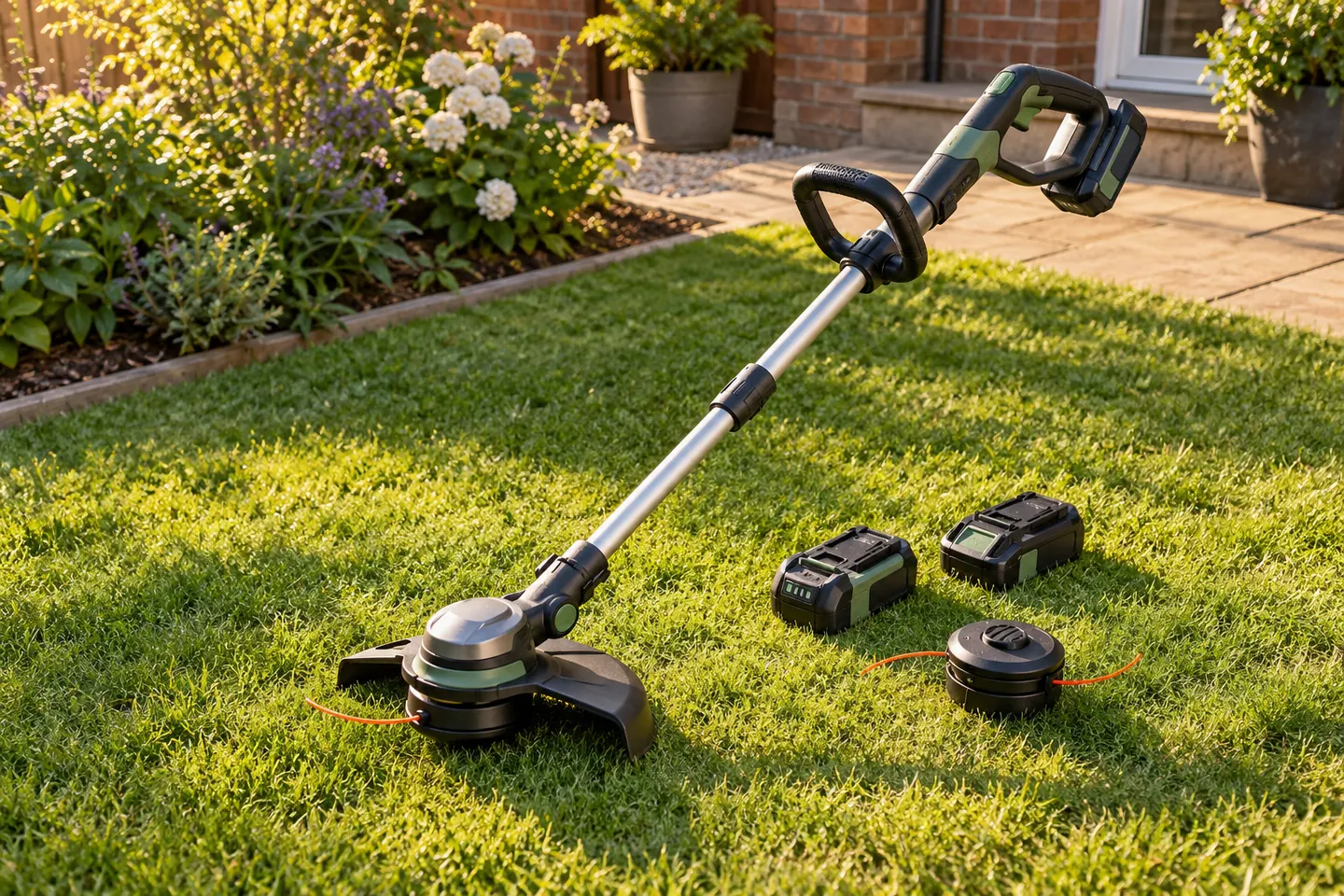 Best picksBest Value Cordless Strimmers in the UK (2026)
 Best picksBest Air Purifiers in the UK for Different Rooms and Needs
Gearjury may earn a commission if you buy through a retailer link.
Guide
Choose an open socket between the router and weak room. Confirm both the router link and coverage where you use your devices.
Mark the router and rooms where Wi-Fi fails. The best socket is often in a connecting hall or landing, not at the dead-zone edge.
The extender must receive data first. If its signal indicator shows a poor connection, move it nearer the router.
Avoid enclosed positions and leave ventilation clear. Follow the maker?s instructions for orientation and clearance.
Try another side of a doorway or floor if walls, pipes or appliances obstruct the path.
Test with a phone or computer where you need coverage. Compare stability and real use, not only the indicator.
Common questions
Put it where it maintains a good router connection and can still reach the weak room, usually between the two.
Usually not at the edge of a dead zone. Start nearer the router so the extender has a signal to repeat.
Yes, if the hallway gives it a solid router link and a useful path towards the target rooms.
Follow the manual, avoid floor-level obstructions and test in the rooms that matter.
Keep exploring
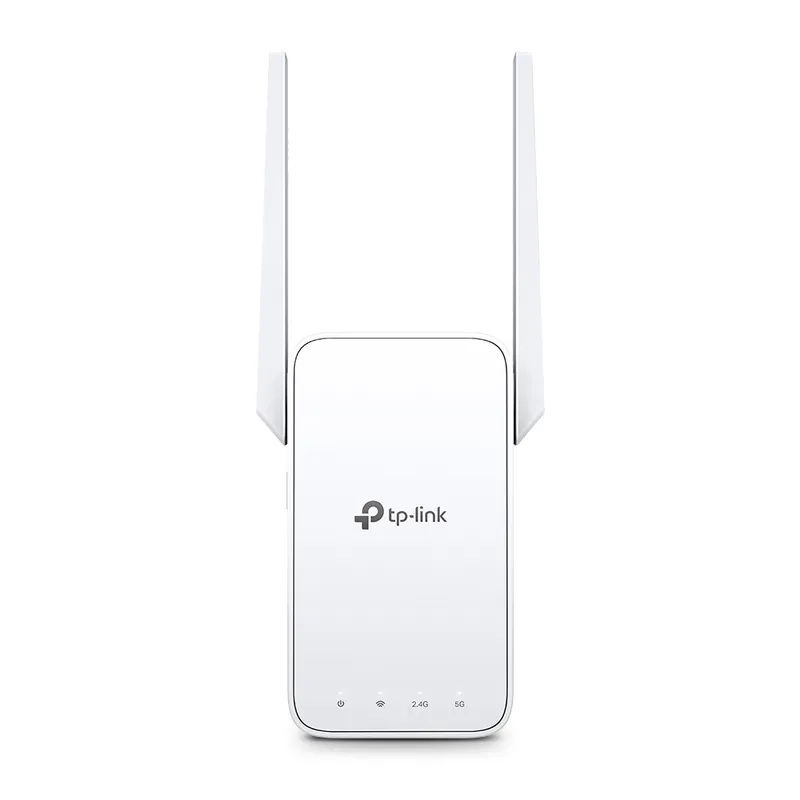
TP-Link sells plug-in repeaters and powerline kits. Check EasyMesh support, Ethernet needs and the exact UK hardware revision before buying.
TP-Link RE315 is a practical starting point for a standard indoor dead zone. Consider a Wi-Fi 6 device for newer kit, outdoor-rated hardware for a garden, or powerline where a wireless hop struggles.

Sky has different booster products for different broadband generations. Sky Max customers may use a Max Pod; check your account and hub-specific help before seeking a third-party extender.

A WiFi extender can carry your router signal further, but placement and backhaul matter. Choose a plug-in repeater for a nearby dead zone, powerline WiFi for difficult layouts, or an outdoor-rated unit for a garden.